
Last updated November 23, 2026
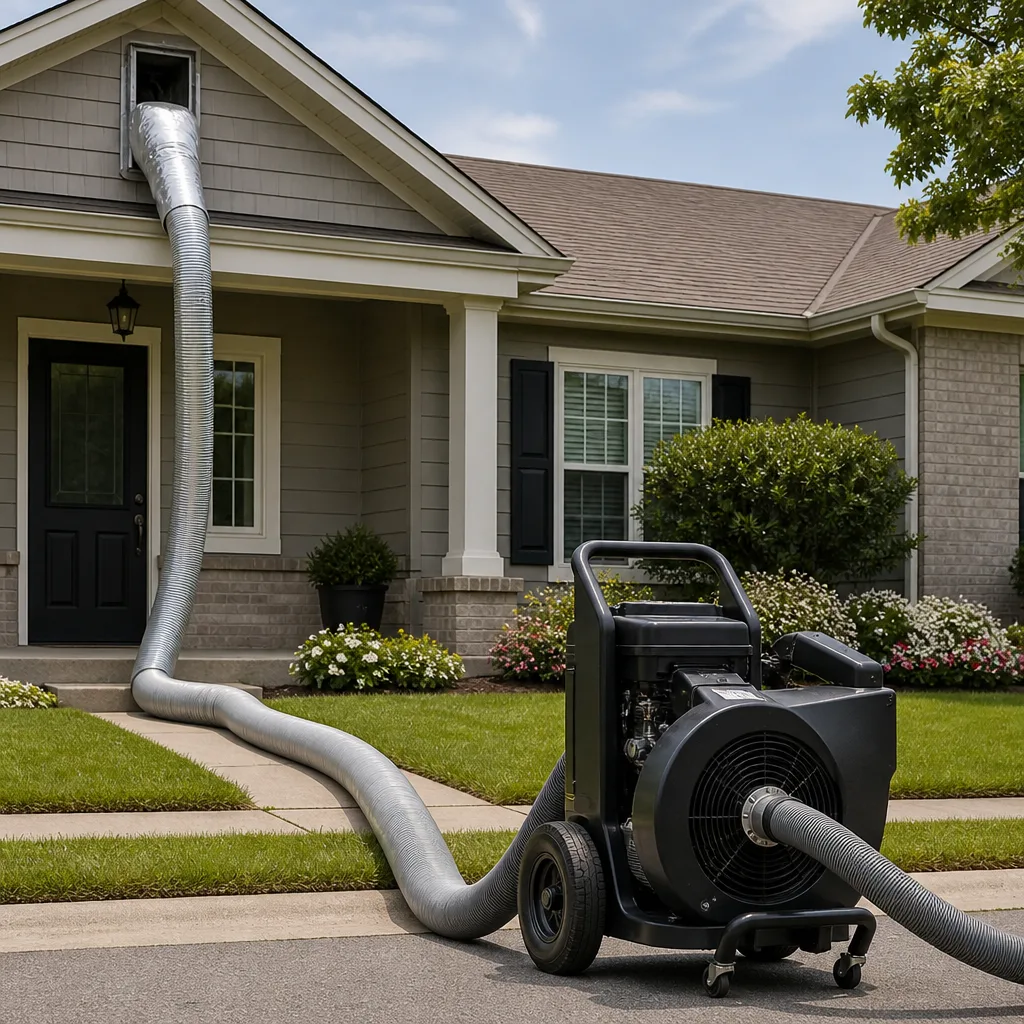 Whole-home duct cleaning
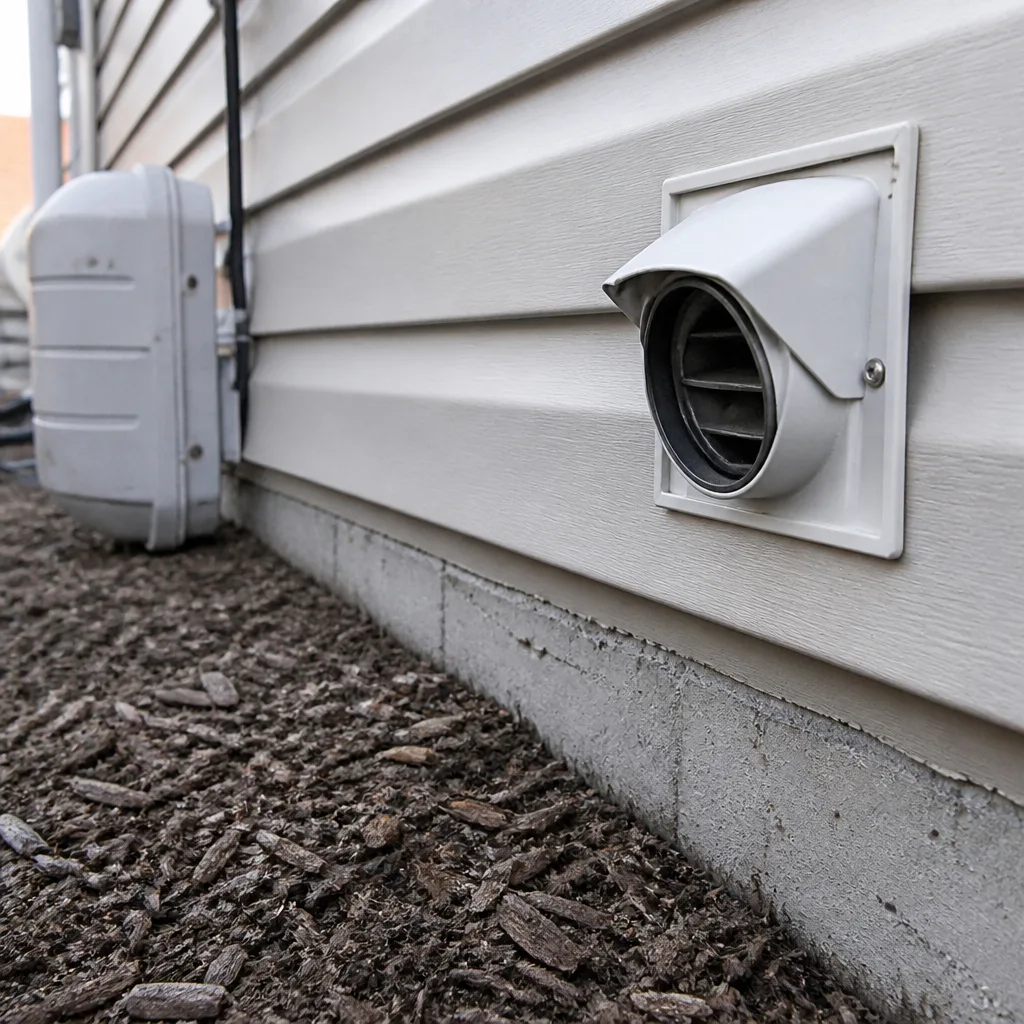 Dryer vent cleaning
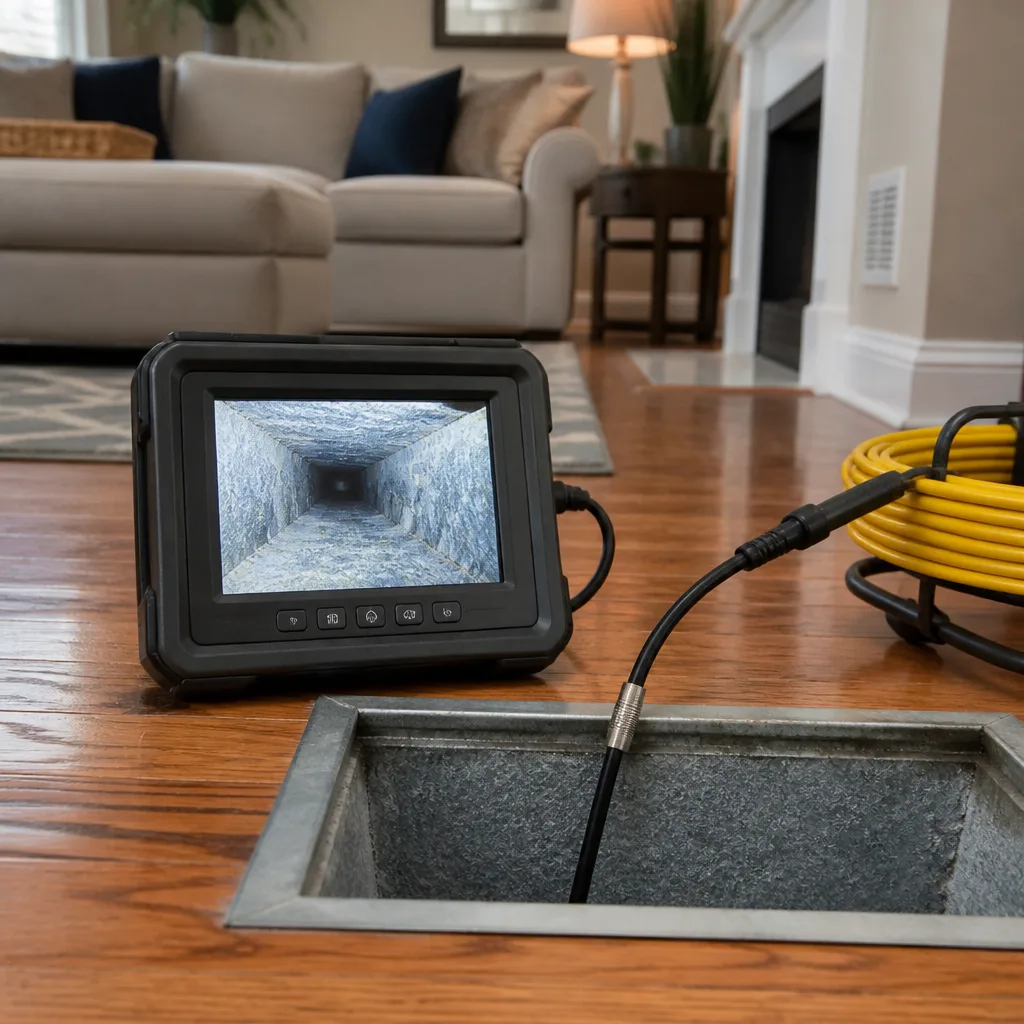 Camera inspection
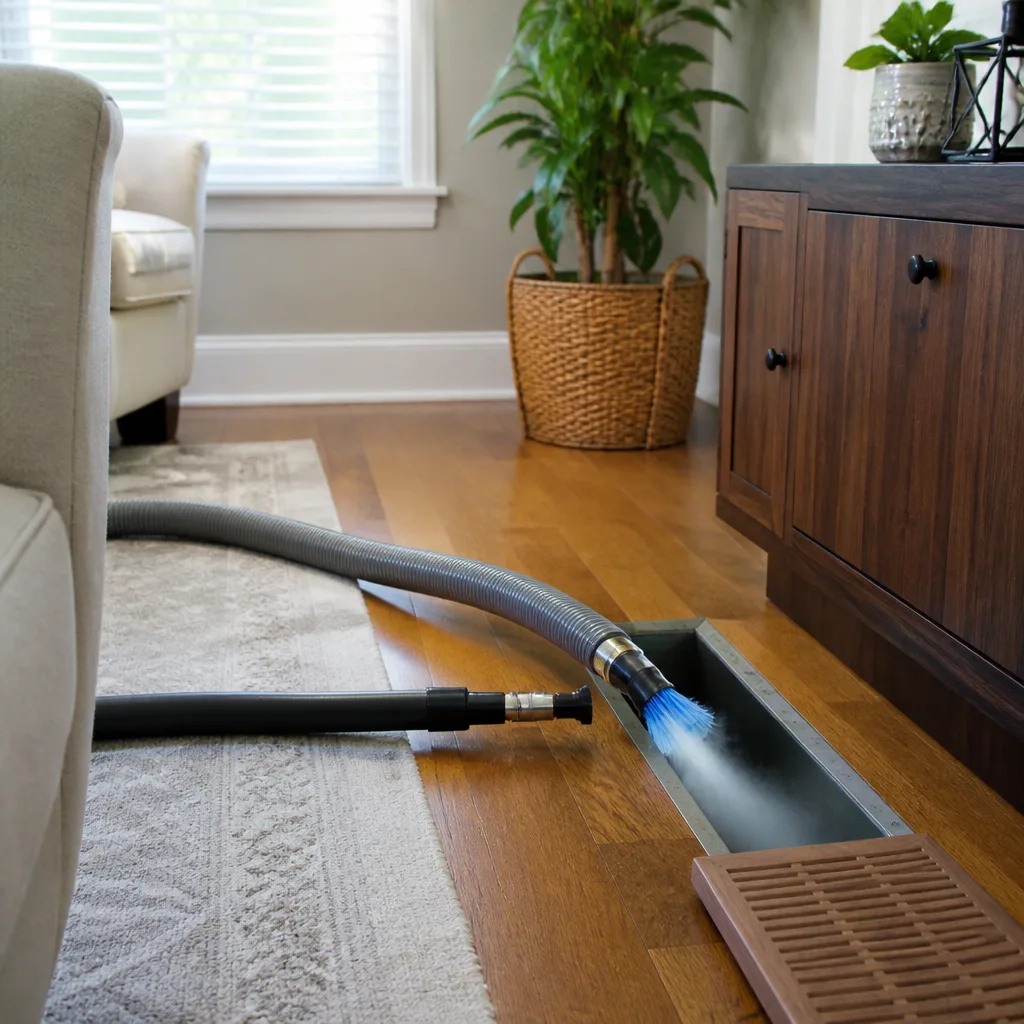 Sanitizing & deodorizing
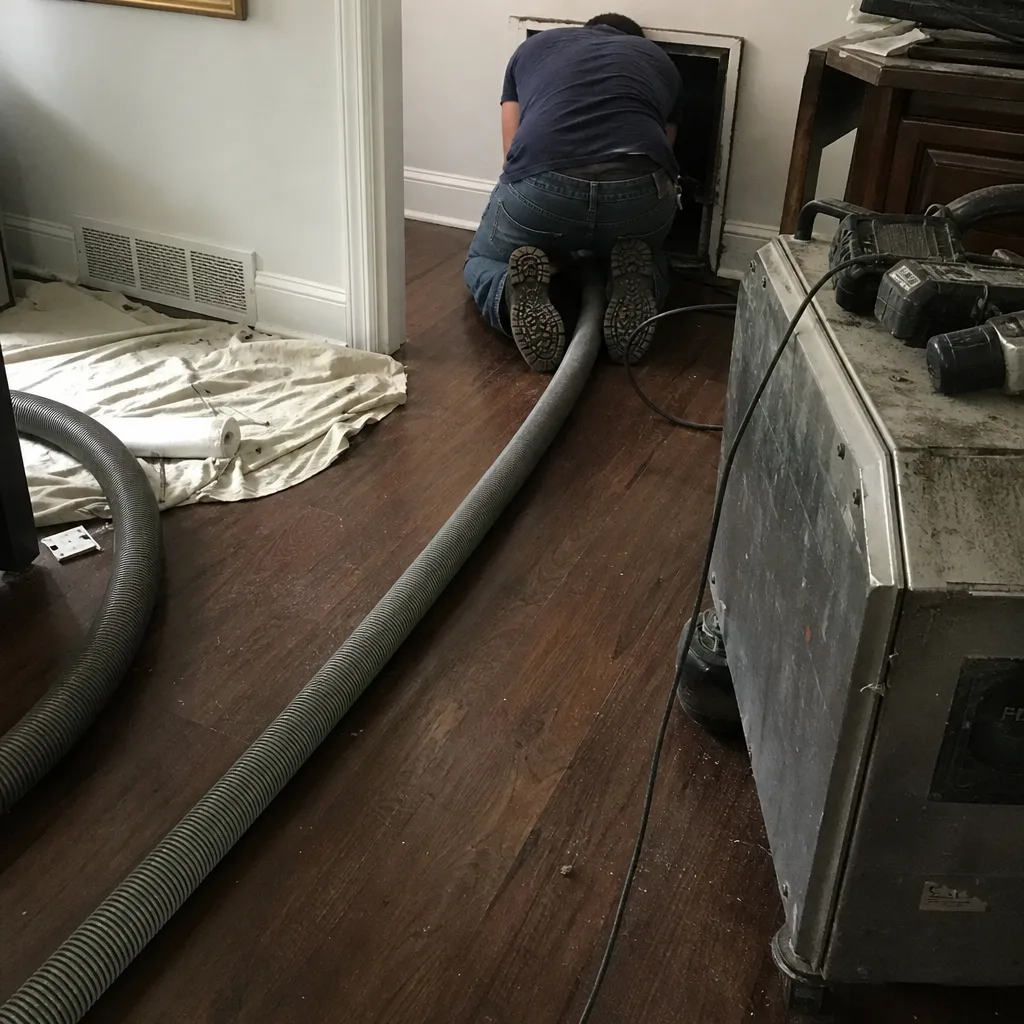
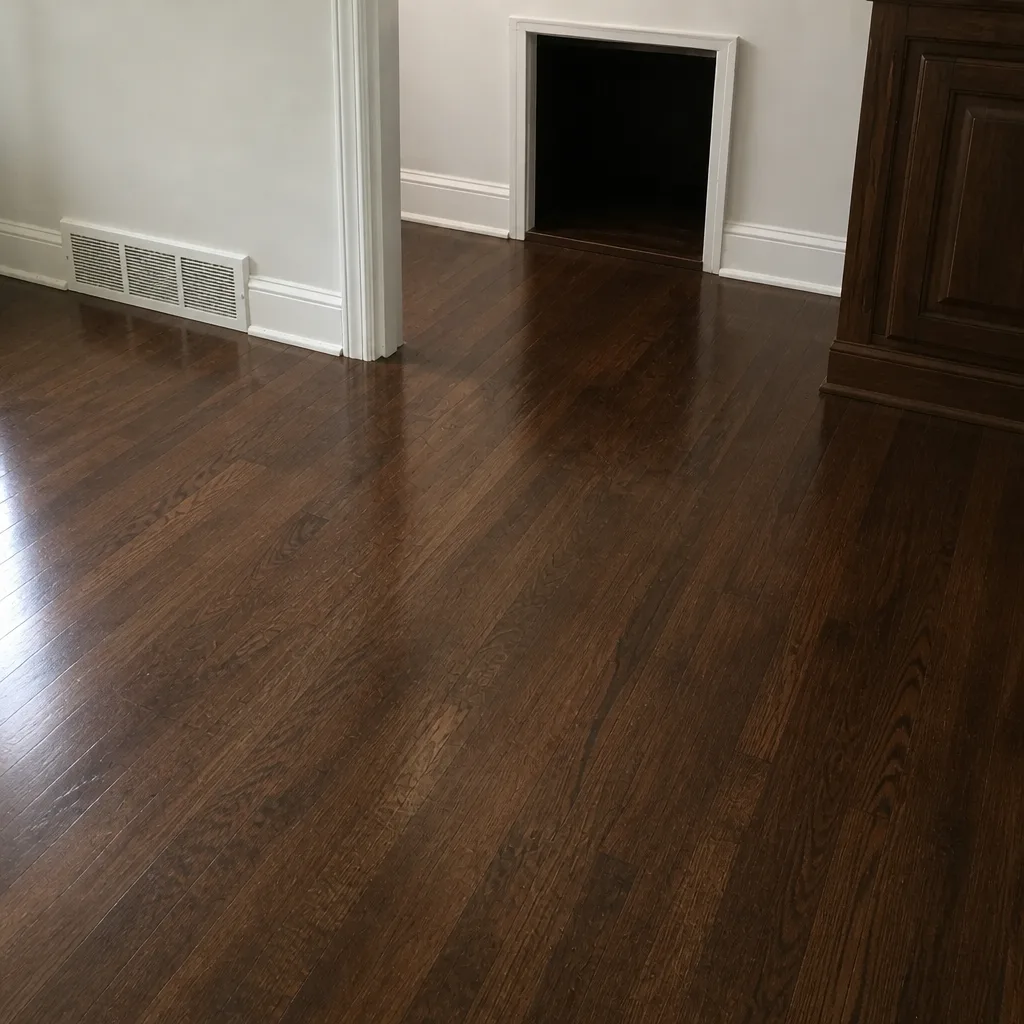
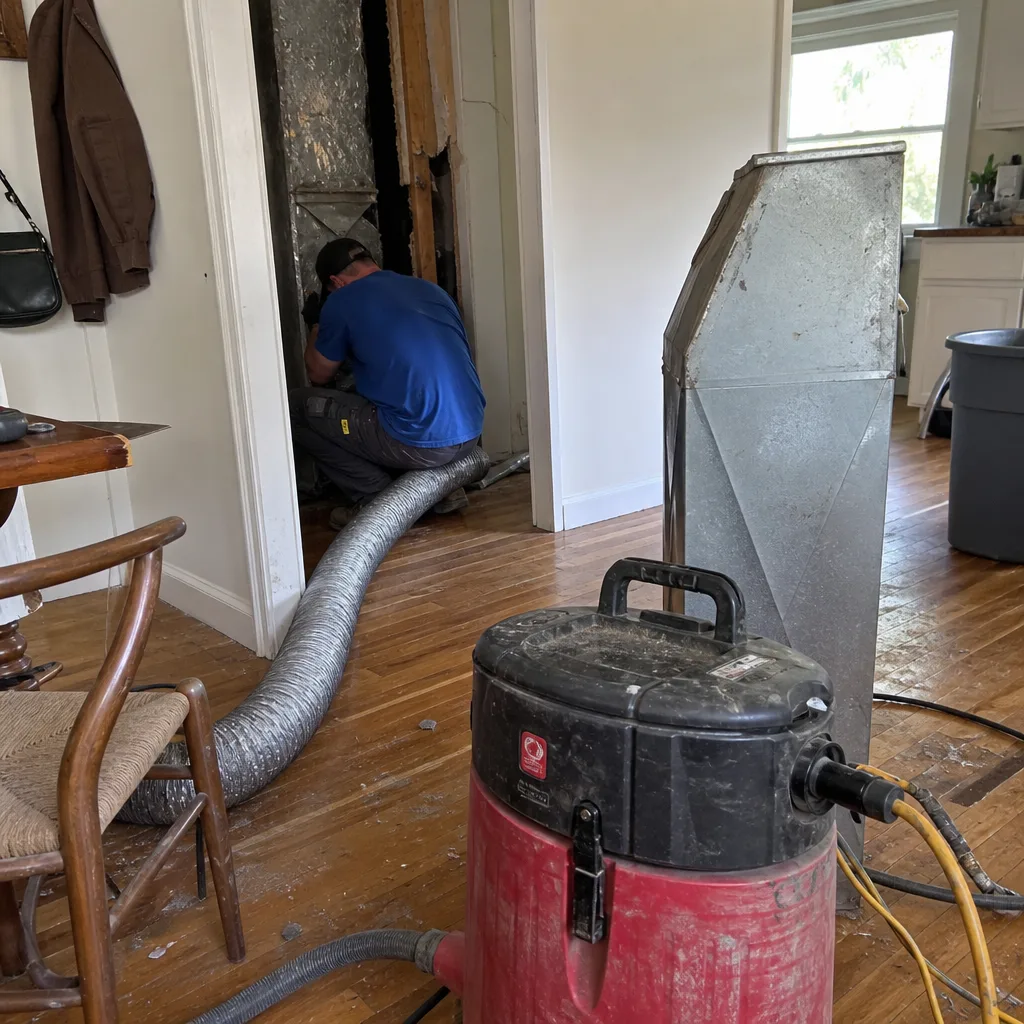
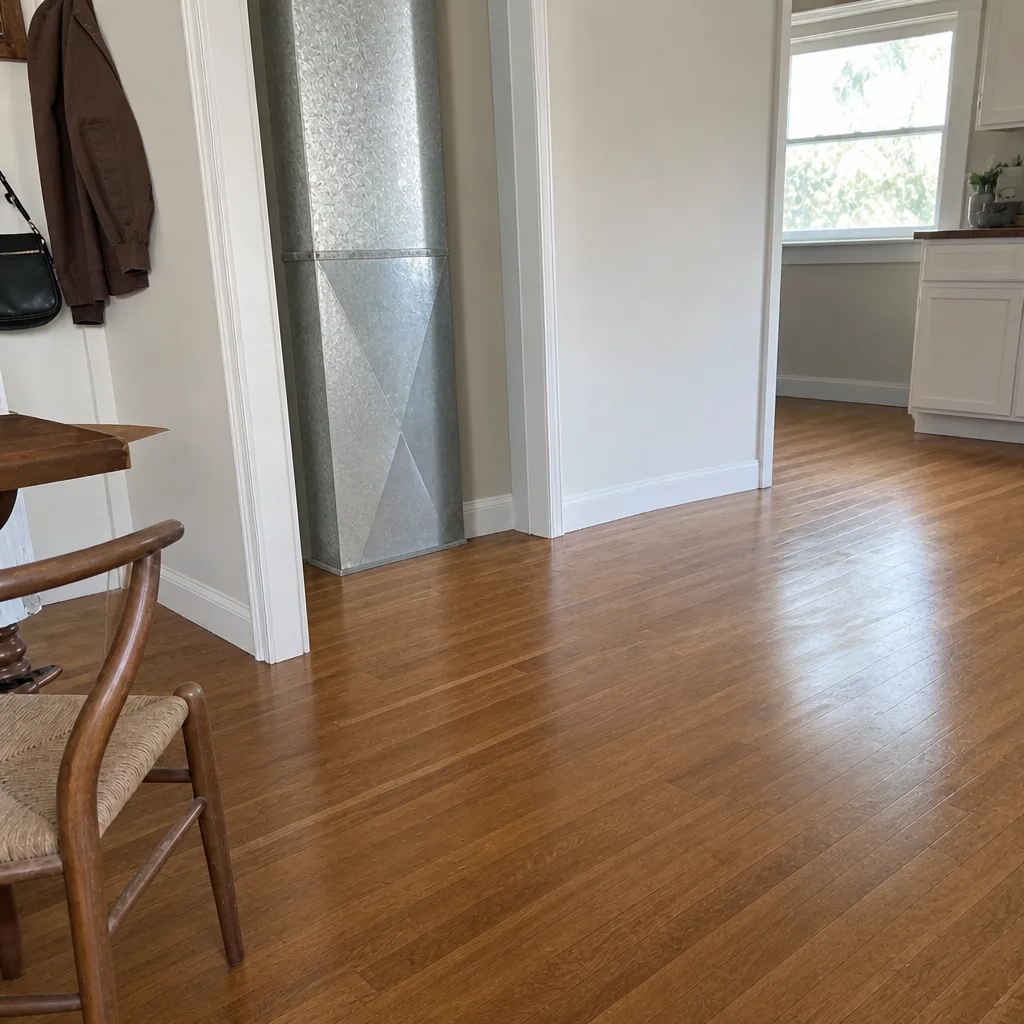
Whole-system duct and dryer vent check with before-and-after photos - you see exactly what came out of your vents
That "$99 whole-house special" is a bait ad - the real number appears once they are in your hallway, or the "clean" is a shop-vac at the register. We photograph the inside of your ducts before and after instead.
Air Duct Cleaning Warning Signs: A NoDa Homeowner’s Reference Guide
Most guides to duct problems point at the obvious stuff: dust on the furniture, a sneeze that won’t quit, a strange smell you can’t place. Those matter, but they show up late. The sign that arrives first, and the one NoDa homeowners most often ignore, is quieter: your HVAC system starts running longer. Same thermostat setting, same weather, but the equipment cycles more and more. That’s a restriction problem building inside the ductwork, and it usually reaches your power bill before it reaches your eyes. This guide walks through the subtler, system-level warning signs, explains the mechanical reason behind each one, and shows you where cleaning ends and repair begins.
Styles & brands we work with
- Whole-home duct cleaning
- Dryer vent cleaning
- Camera inspection
- Sanitizing & deodorizing
Quick Answer
Air duct cleaning warning signs in NoDa typically include longer HVAC runtimes, uneven room temperatures, a musty smell right at system startup, visible debris shedding around supply registers, and a spike in dust after renovation work. The key is whether the symptom points to restriction or contamination inside the ducts rather than to the equipment itself. When several of these signs show up together, a full-system inspection is the right next step before you spend money on anything else.
Table of Contents
- Why Longer HVAC Runtimes Are the First Warning Sign
- Uneven Room Temperatures: Blockage or Equipment?
- What a Musty Odor at Startup Actually Tells You
- Visible Debris Around Supply Registers: Normal or Active Shedding?
- Post-Renovation Warning Signs in NoDa’s Infill Homes
- When Cleaning Isn’t Enough: Repair and Sealing First
- A Step-by-Step Way to Check Your Own System
- Common Mistakes to Avoid
- When to Call a Professional
- Frequently Asked Questions
Why Longer HVAC Runtimes Are the First Warning Sign
A sudden increase in HVAC runtime is usually the earliest measurable sign that duct restriction has built up enough to cut into airflow efficiency. Before dust piles up where you can see it, before allergies flare, the blower motor is already working harder to push the same volume of air through a narrower path. That extra effort shows up as longer cycles, and longer cycles show up on your power bill before they show up anywhere else.
Here’s the mechanical reason. Your system is designed to move a specific volume of air per ton of cooling. When the return ducts or supply runs fill with accumulated dust, lint, and debris, resistance climbs. The blower compensates by running longer to satisfy the thermostat. In a NoDa bungalow or a recent infill build, the same effect can come from a different source too: undersized or poorly routed ducts that were marginal from day one and only now show it once they’ve picked up a layer of buildup.
What to watch for over a four to six week window:
- Cycle times that used to be short and now stretch noticeably on mild days.
- A blower that sounds labored or runs at a higher speed for the same task.
- Rising bills in months where your usage habits haven’t changed.
- Longer cool-down and warm-up periods after the thermostat calls.
None of these proves the ducts are dirty. But a pattern of all four, especially in an older home where the ductwork has never been professionally cleaned, points strongly at restriction. If you want to understand the full process that addresses it, take a look at air duct cleaning and what it involves beyond a surface vacuum.
Uneven Room Temperatures: Blockage or Equipment?
Uneven temperatures between rooms are one of the most misread symptoms in the trade. Homeowners often assume the AC is failing or that they need a bigger unit, when the real cause is a partial blockage in one branch of the duct system. The distinction matters because a new compressor costs far more than a cleaning and a repair.
Here’s how to tell the two apart before you call anyone. Equipment problems tend to spread across the whole house: every room feels off, or the system can’t hold a temperature at all. Duct problems cluster. You’ll notice one or two rooms that never quite get there while the rest of the house stays comfortable. That’s your tell.
In NoDa, this pattern shows up in a few specific ways. Older bungalows with original duct runs often have a spare bedroom or a converted attic that was added later and never got properly ducted. Infill homes built tight against a neighbor sometimes have supply runs crushed by a renovation that moved a wall. And in either case, a partially collapsed flex duct, a disconnected joint, or a register boot that’s come loose behind the drywall all produce the same symptom: one room that runs warm in summer and cold in winter while the rest of the house behaves.
A simple test you can do yourself:
- Hold a tissue or a piece of light paper in front of each supply register on a single cooling cycle.
- Note which registers push a strong flow and which barely move the paper.
- Check that the dampers on the weak registers aren’t closed or partly shut.
- Look at the register boot for gaps where it meets the wall or ceiling.
If flow is weak even with the damper fully open, the blockage is inside the run, not at the register. That’s a job for a professional with equipment that can see and clear the duct from the inside. Our technicians have up to 8 years of experience reading these patterns and telling a blockage apart from an equipment issue before anyone spends money on the wrong fix.
What a Musty Odor at Startup Actually Tells You
A musty smell that hits you the moment the HVAC kicks on is different from a general “dirty” smell, and the distinction drives the treatment. A musty odor at startup specifically indicates moisture and biological growth somewhere in the system: typically the evaporator coil, the drain pan, or the porous interior lining of the ductwork where condensation has been allowed to sit. A general dusty smell throughout the cycle is more often plain accumulation of dust and debris being pushed through warm air.
Why the difference matters: if you clean ducts that have active biological growth without addressing the moisture source, the growth comes back within a season. The right first step is finding out where the moisture is coming from, then cleaning and sanitizing the surfaces it’s been feeding on, then correcting the condition that allowed it. That’s a process, not a one-step vacuum.
Specific signs to note before you call:
- Odor appears in the first 30-60 seconds after startup, then fades.
- Smell is strongest at registers closest to the air handler.
- The odor lingers in humid weather and eases in dry stretches.
- You’ve seen standing water or rust in the drain pan area.
NoDa’s humid summers create the exact conditions that feed this kind of problem. Homes with a crawlspace air handler or a unit tucked into a closet tend to hold moisture longer than units with more airflow around them. When we address this kind of issue, we use Abatement Technologies air filtration and containment equipment during the job so that disturbed particulates don’t scatter into the rest of the house. The treatment is thorough because the source has to be found, not just masked with a spray.
Visible Debris Around Supply Registers: Normal or Active Shedding?
Debris around a supply register can mean two very different things. Normal dust accumulation is a slow, even film that builds over months and wipes away easily. Active particulate shedding is a heavier, more concentrated deposit that reappears within days of cleaning, and it signals something loose inside the duct pushing material out every time the blower runs.
The way to tell them apart is by observation over time, not by looking once. Here’s how:
- Wipe the register face clean with a dry cloth and note the date.
- Check it again after three to five days of normal system use.
- If a film has re-formed evenly, it’s ordinary dust load; if heavy deposits have collected in streaks or at one edge, it’s shedding.
- Look at the grille slots and the wall or ceiling around the register for a dark halo that keeps widening.
- Check the same register on the return side. Heavy return deposits point to a dirtier system overall.
Active shedding is worth taking seriously because it usually means the duct interior is failing somewhere. A fibrous lining breaking down, a flex duct whose inner core has torn, or a run that’s collected years of debris and is now blowing it back out on every cycle will all produce a return deposit within days. That’s the point where cleaning alone isn’t enough. If you’ve noticed the same pattern across several rooms, it’s worth reading up on HVAC cleaning to see what full-system cleaning addresses versus just the duct network.
Post-Renovation Warning Signs in NoDa’s Infill Homes
NoDa’s active infill construction and constant renovation cycle creates its own category of duct warning signs. Drywall dust, sawdust, and insulation fiber are lighter than you might expect, and they get pulled into the return system during the weeks a home is being worked on. Much of that material settles inside the ducts and stays there long after the last coat of paint has dried.
The signs to watch for in the first six months after a renovation:
- Fine white powder appearing on horizontal surfaces near registers (drywall silica).
- Visible sawdust or wood shavings inside register boots after removing the grille.
- Pink or yellow fiber visible in the return plenum or on top of the air handler box (insulation fiber).
- A noticeable increase in dust across the whole home, not just in the work zones.
- Allergy-type symptoms that started after the construction and haven’t eased.
- Reduced airflow after new drywall or cabinetry closed off a formerly open ceiling cavity.
Construction dust behaves differently from household dust. It’s more abrasive and more likely to attach to the coil and blower wheel, which can shorten equipment life if it’s left in place. A post-renovation cleaning should treat the whole system, not just the visible supply runs, because the return side is where most of the construction dust ends up.
Homes that already have a filtration upgrade installed, like a Honeywell or Aprilaire media filter, need the same post-renovation attention. A thick filter catches more dust but it also loads faster during renovation, and a loaded filter pushes the same restriction problem back into the ductwork. Changing the filter isn’t a substitute for a cleaning; it’s part of the maintenance picture.
When Cleaning Isn’t Enough: Repair and Sealing First
Some warning signs mean the ductwork is past the point where cleaning is the right first move. Cleaning a system that has physical failures in it wastes the cleaning and leaves the underlying problem in place. The failures that call for repair or sealing before any cleaning:
- Disconnected or crushed sections that are restricting flow. Cleaning can’t fix a duct that’s physically closed off.
- Lining that’s failing and shedding fiber into the airstream. You have to stabilize or replace the surface before it stays clean.
- Joints and seams that leak enough that the system is pulling conditioned air into attics or crawlspaces. Sealing restores the system’s ability to deliver air where it’s meant to go.
- Flex duct runs that have been kinked or torn during renovation work. These often need to be replaced outright.
The reason this matters as a diagnostic step is that warning signs can be identical from the outside. Uneven temperatures, longer runtimes, and stray debris look the same whether the cause is dirt or a crushed run. Getting someone to inspect before you commit to a cleaning plan is the way to avoid spending money twice. When we evaluate a system in NoDa, the goal is to say honestly what cleaning will fix and what it won’t, and to outline repair or sealing where that’s the priority. From cleaning to sealing, a job that treats the failures first and the cleaning second is what actually restores the system.
A Step-by-Step Way to Check Your Own System
You can gather useful evidence before you call anyone. This isn’t a DIY repair guide. It’s an observation routine that helps a professional diagnose faster and helps you understand what they tell you. Never open equipment panels, reach into the air handler, or touch wiring. Those are jobs for a trained technician.
- Track runtime. Note how long your system runs on a mild day compared to a month ago. A pattern of lengthening cycles is the clearest sign of restriction.
- Test airflow at each register. Use the tissue test described above. Note any room that’s consistently weak.
- Check the filter. Look at the filter frame and note whether the filter is fully seated. A filter that’s been bypassing for months is a sign the system needs attention beyond a filter change.
- Observe odor timing. Note when the smell shows up: right at startup, throughout a cycle, or only in humid weather.
- Photograph deposits. Take a photo of any shedding around registers with a date reference. Repeat in a few days so you can compare.
- Look for construction history. If a renovation has been done in the past six months, note it so it goes into the conversation.
- Note any visible gaps at register boots or at duct joints you can see without opening panels.
Bring these notes to the estimate. A diagnosis built from your observations plus a professional inspection with the right equipment is far more reliable than either one alone. Our technicians use Rotobrush rotary brush systems and Nikro HVAC cleaning units so they can see and clear restriction from inside the run rather than guessing from what shows up at the register. Professional-grade equipment, not shop-vac shortcuts, is what makes the inspection mean something.
Common Mistakes to Avoid
- Treating a dirty filter as the whole story. A new filter helps, but if runtime is still climbing after two filter changes, the restriction is inside the ducts, not at the filter slot.
- Assuming uneven temperatures mean the AC is failing. Cluster symptoms in one or two rooms almost always point to a duct problem, not an equipment problem. Pay for a diagnosis before you pay for a compressor.
- Cleaning a system with active bio-growth without fixing the moisture source. The growth comes back within a season in NoDa’s humid summers. Address the source, then clean and sanitize.
- Skipping the cleaning after a renovation. Drywall silica and insulation fiber settle in the return and stay there. Waiting a year just gives the debris more time to load the coil.
- Choosing a cleaning based on the lowest quote alone. A quote that doesn’t include an inspection, the return side, or any mention of equipment brand is often a surface vacuum with a cleaning label. Ask what tools and containment they use.
- Cleaning a duct that clearly needs repair. If a run is crushed or a joint is disconnected, sealing or repair comes first. Cleaning a broken duct just moves the problem around.
- Ignoring the dryer vent. A dryer vent is a fire-safety system, and it’s easy to forget when you’re focused on the HVAC side. It deserves its own inspection, especially in older homes where the vent run may be longer or more convoluted than originally designed.
That last point comes up more than homeowners expect. A dryer vent run that’s clogged with lint is a fire risk most people overlook because it doesn’t show any of the HVAC symptoms above. It’s worth its own scheduled inspection, and it’s a service we handle as a standalone job. You can read more about dryer vent cleaning for what a proper inspection covers.
When to Call a Professional
Call a professional when you see several warning signs together, not just one in isolation. A single room that’s slightly warm in August is a nuisance. Longer runtimes, uneven temperatures in the same rooms, a musty smell at startup, and active debris shedding across several registers are a system-level pattern that warrants a proper inspection. Post-renovation projects in NoDa’s construction-heavy neighborhoods are another case where a cleaning is the right call even without symptoms, because the debris is already in the system. A dryer vent that hasn’t been inspected in years is a third. If you’re unsure whether you’re seeing cleaning signs or repair signs, that’s exactly the conversation to have with someone who inspects before recommending. Air Duct Cleaning NoDa offers free estimates in NoDa. Call (833) 509-5357. We answer 24/7. Fast dispatch from 7am to 7pm, Sunday through Friday.
Frequently Asked Questions
Air duct cleaning in NoDa is priced per system, not per vent, and the written estimate sets the final number. Whole-home cleaning typically depends on the number of systems, the length of the duct runs, and whether repair or sealing is included. Call (833) 509-5357 for an exact quote. Estimates are free.
Cheap quotes usually come from equipment differences and scope differences. A shop-vac approach on the visible supply registers is a fraction of the cost of a full-system cleaning that includes the return, the plenum, and containment during the job. Ask any contractor what equipment they use and whether the return side is included. That one question separates the two tiers faster than price shopping will.
Ask for before-and-after photos of your own ductwork. A contractor running professional equipment will have visual evidence from inside the runs, and the containment setup is visible while the work is happening. In our experience, the inspection that precedes cleaning is what tells you whether the job proceeds at all; if the technician can’t show you what they found, the cleaning claim is hard to verify.
Most homes do well on a schedule driven by conditions rather than by a fixed number of years. Homes with pets, recent renovation work, or a history of moisture problems need more frequent attention. Homes with a well-sealed system and regularly changed filters can go longer. A system inspection is a better guide than a calendar.
Blocked or partially blocked ducts can absolutely cause uneven temperatures, especially when the symptom clusters in one or two rooms. If the whole house runs warm at the same time, that pattern points at the equipment instead. The two look similar from a thermostat, which is why an inspection is worth doing before assuming either cause.
Cleaning removes physical debris from the surfaces inside the duct system. Sanitizing treats the surfaces afterward to reduce growth on what remains, and it makes sense when there’s been moisture or biological growth in the system. The two are often done in sequence: cleaning first, then sanitizing, then addressing the moisture condition that allowed growth in the first place. You can see the full scope of what we handle at Air Duct Cleaning NoDa, including repair and sealing.
The Bottom Line
The warning signs that matter most are the ones that show up before the visible dust. Longer HVAC runtimes, uneven room temperatures that cluster in one or two spaces, a musty smell right at startup, and active debris shedding around the registers all point to a system-level problem being told to you in a language most homeowners haven’t learned to read. In NoDa’s older bungalows and its construction-heavy infill neighborhoods, the causes are predictable: accumulated debris in original runs, renovation dust in the returns, and moisture conditions fed by humid summers. The right response is a proper inspection, a clear plan, and cleaning that treats the whole system. Where the signs point to repair or sealing, do that first. Where they don’t, a real cleaning with professional-grade equipment inside containment is what restores the system, and it’s how we work every job. For a no-pressure look at your own system, call (833) 509-5357. We answer 24/7. Fast dispatch from 7am to 7pm, Sunday through Friday.
Written by the team at Air Duct Cleaning NoDa.
See the difference
 Before
 After
 Before
 After
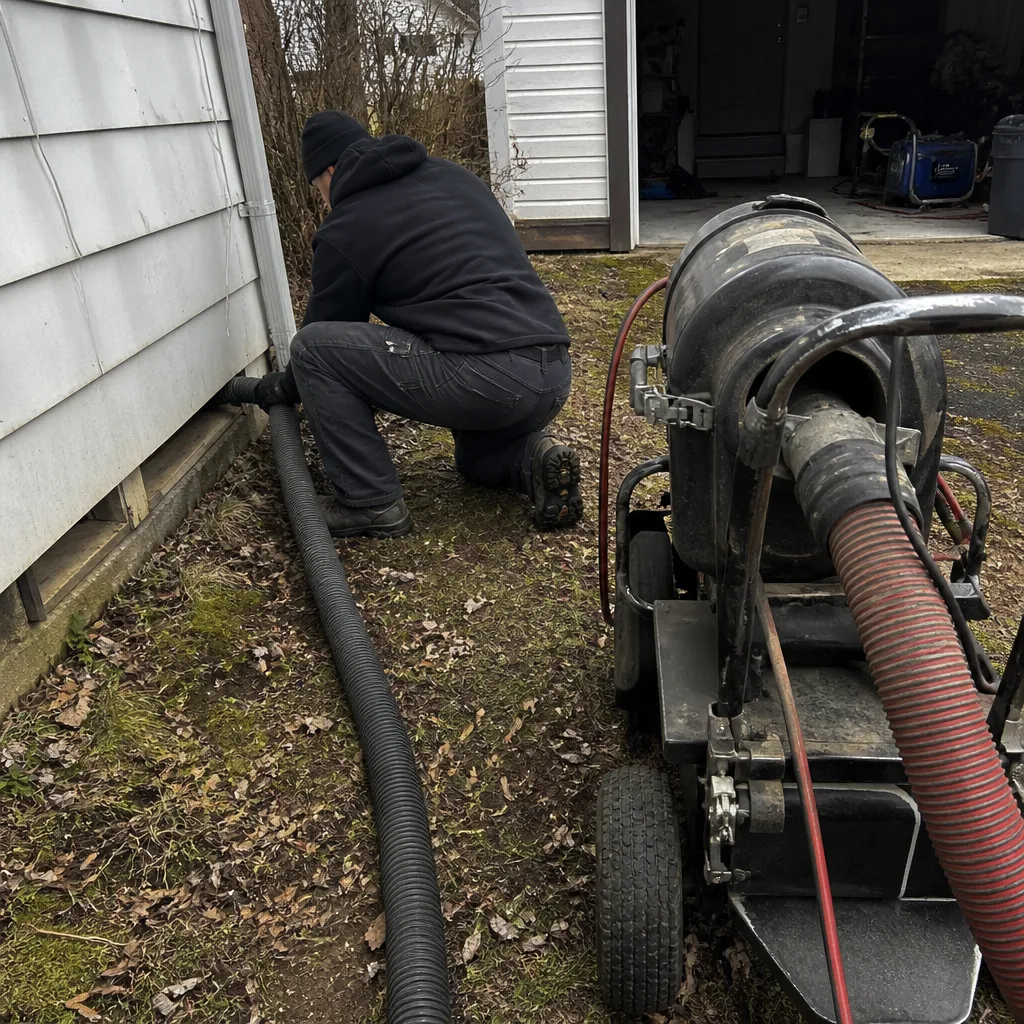 Before
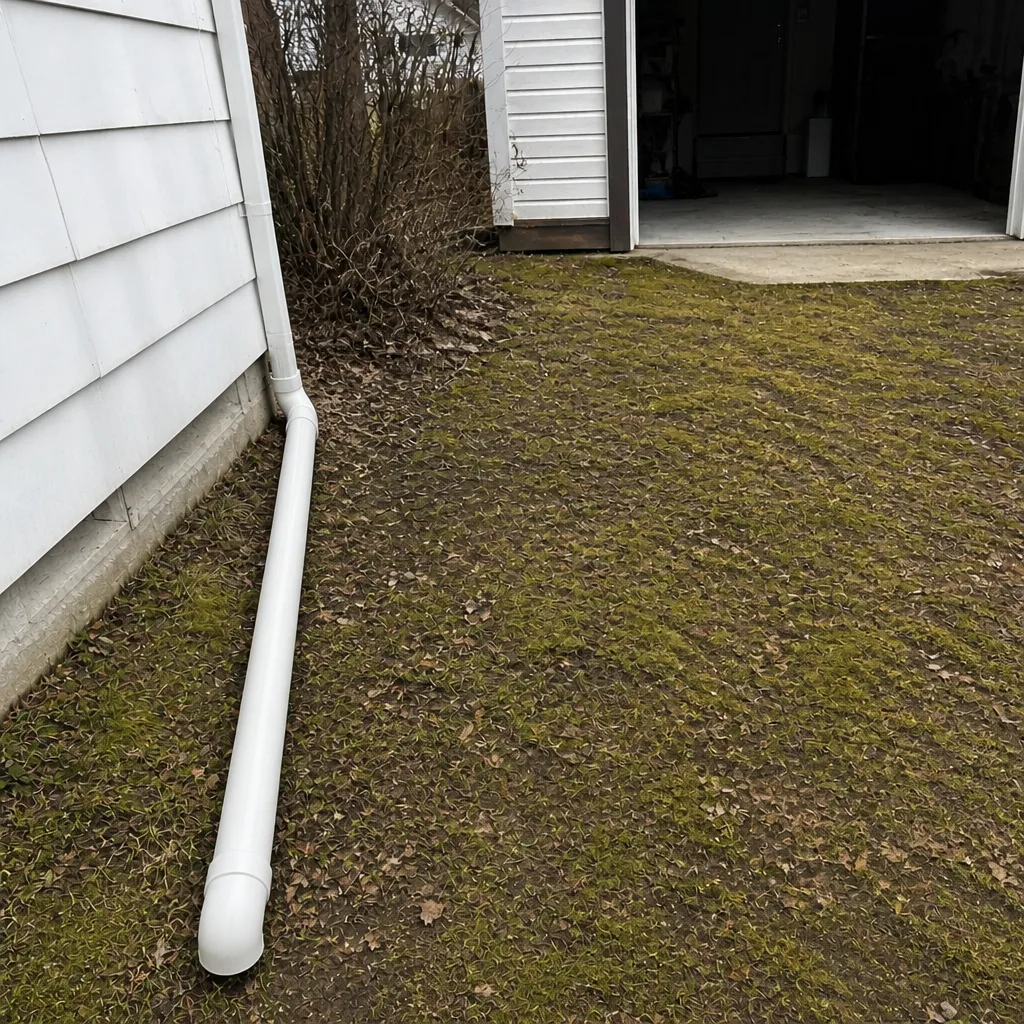 After