
Last updated November 23, 2026
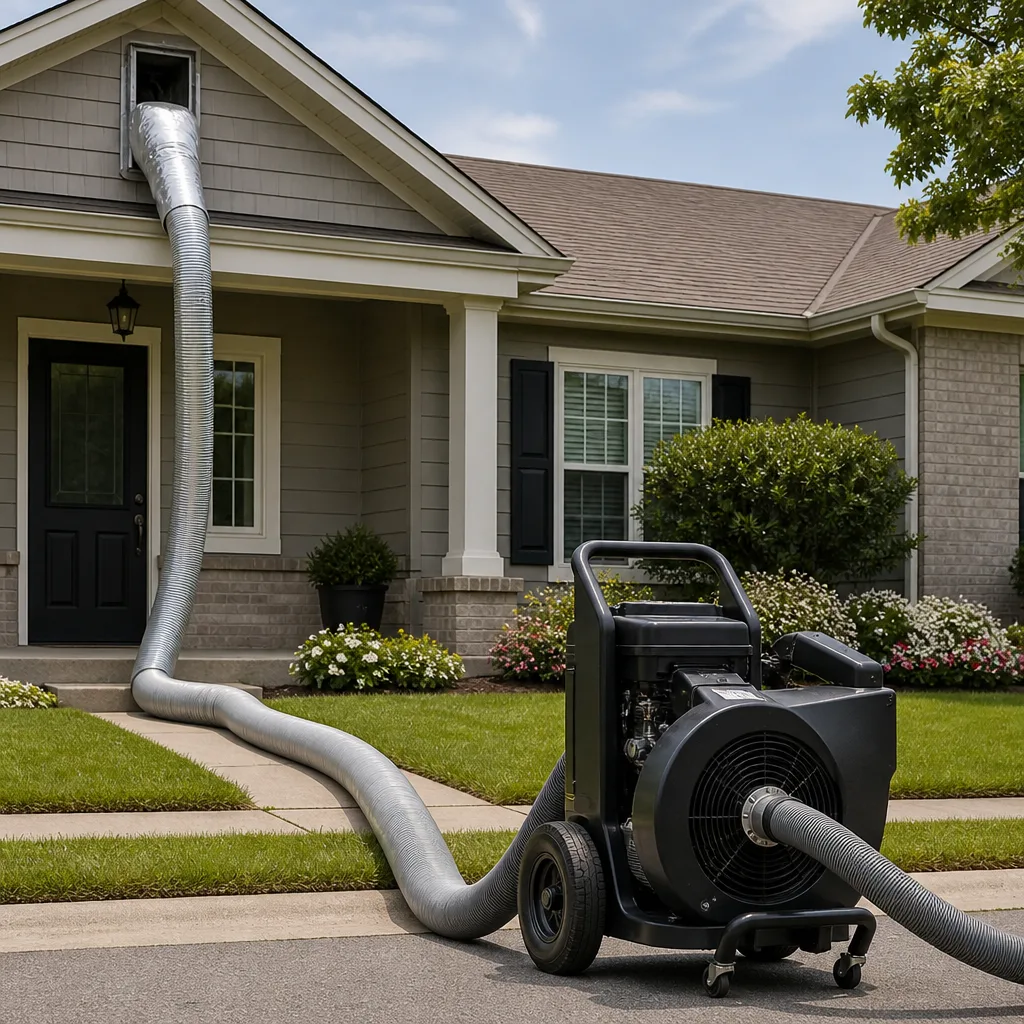 Whole-home duct cleaning
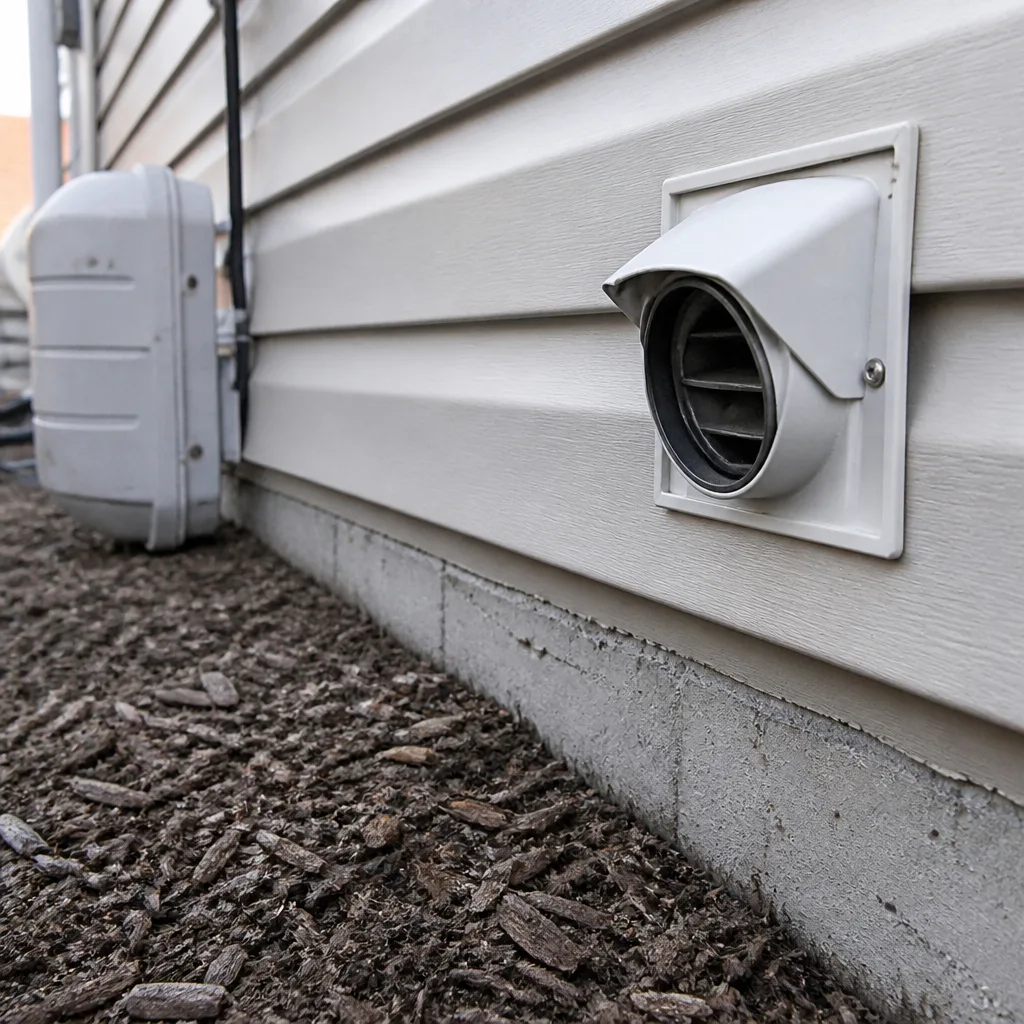 Dryer vent cleaning
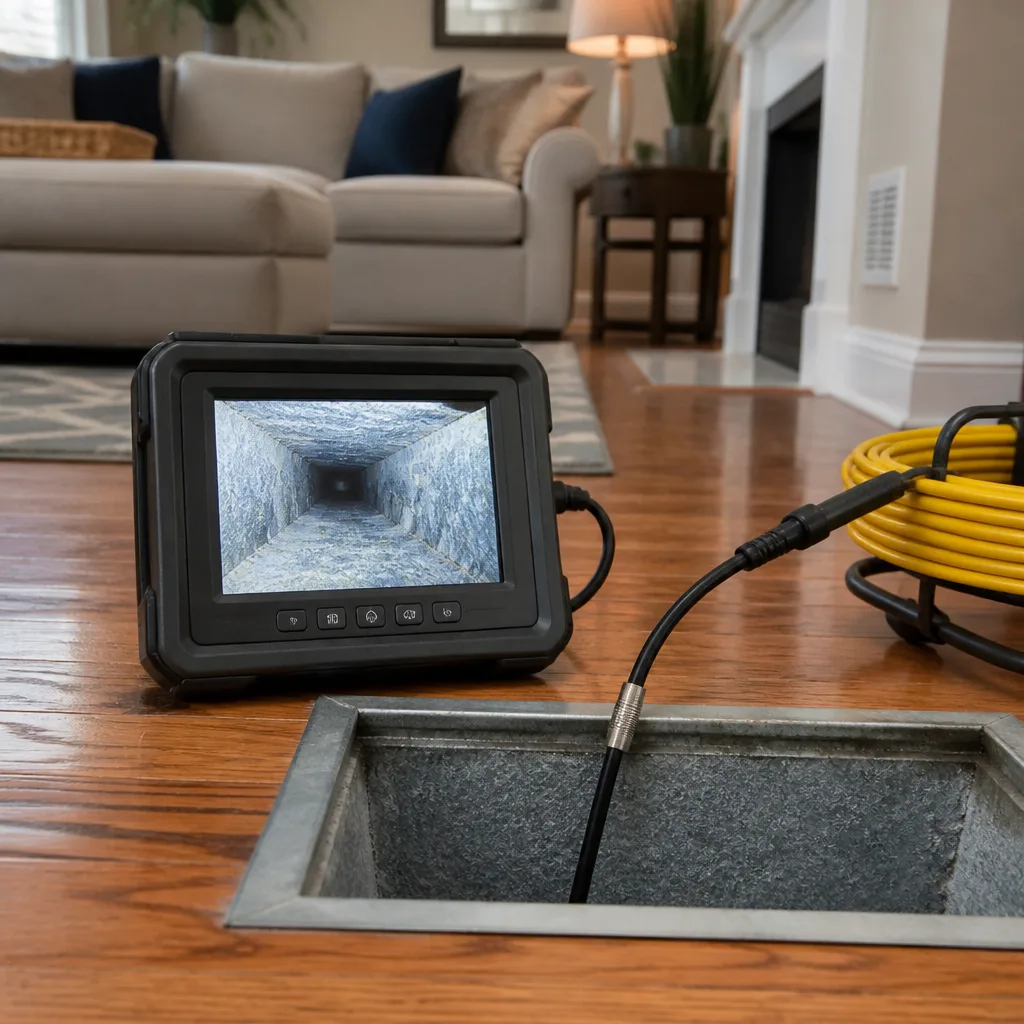 Camera inspection
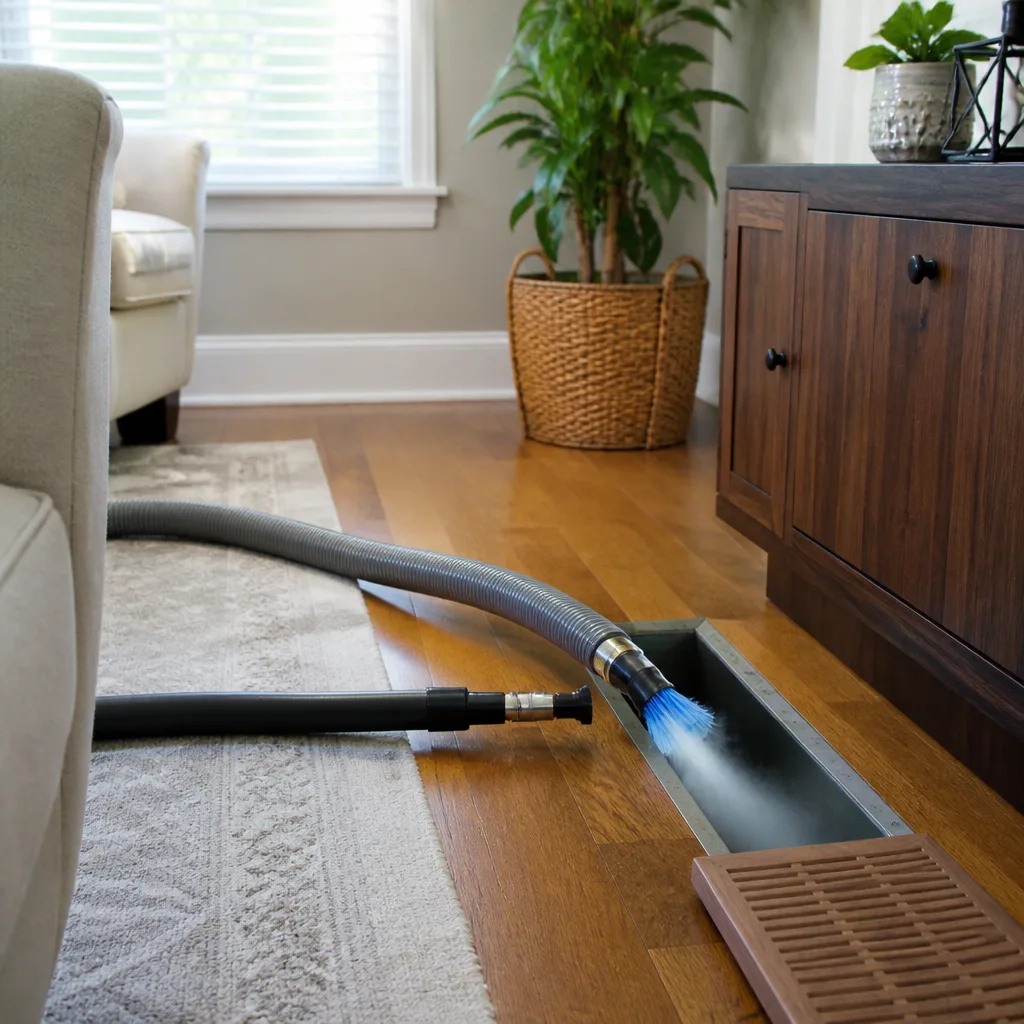 Sanitizing & deodorizing
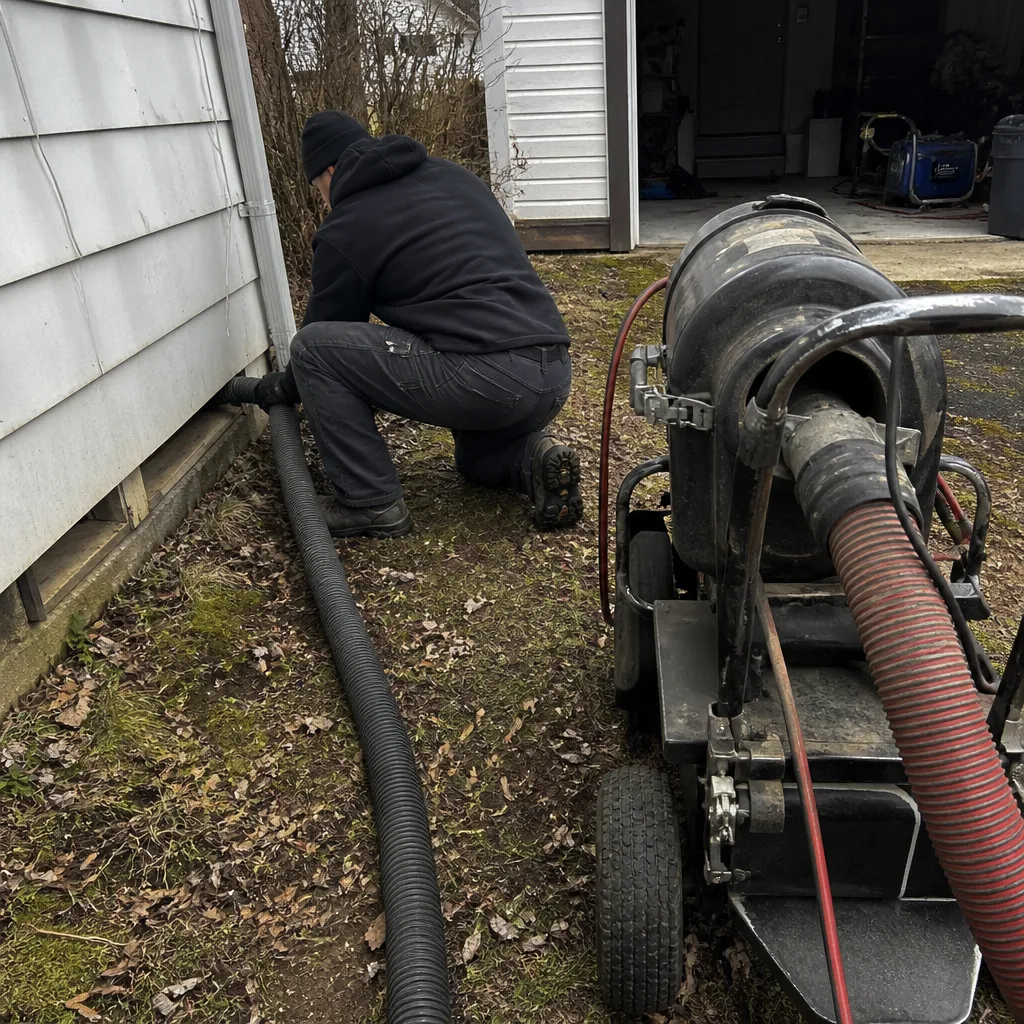
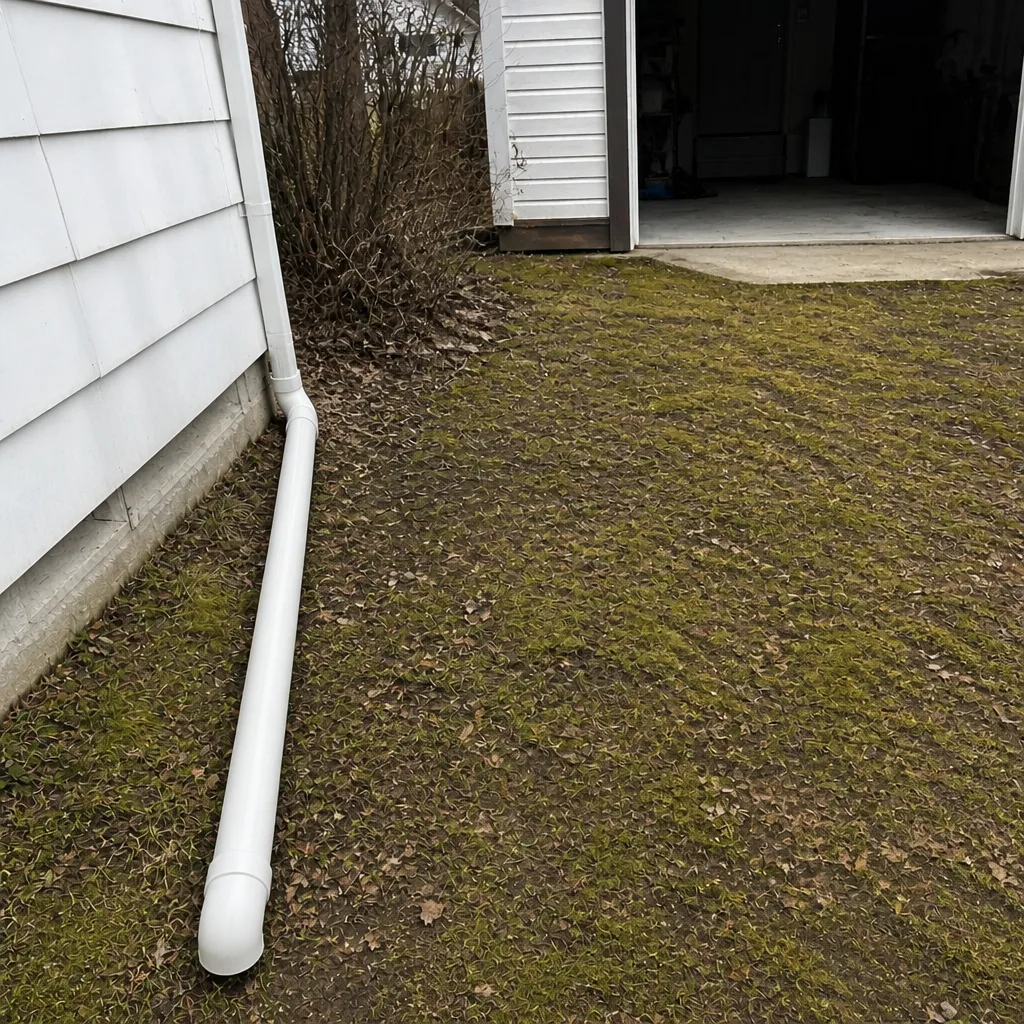
Whole-system duct and dryer vent check with before-and-after photos - you see exactly what came out of your vents
That "$99 whole-house special" is a bait ad - the real number appears once they are in your hallway, or the "clean" is a shop-vac at the register. We photograph the inside of your ducts before and after instead.
DIY vs Professional Air Duct Cleaning: The NoDa Homeowner’s Decision Guide
A shop vac and a dryer vent brush can clean the first 12 inches behind a register grille. That stretch is roughly 2% of the duct surface area in a typical NoDa home. This isn’t an argument against doing anything yourself; it’s a scope definition. Most of the dust, debris, and settled particulate sitting in the runs feeding your bedrooms and living spaces never touches that first foot. Clearing it requires negative pressure that small vacuums don’t generate. Below, we break down exactly what DIY can accomplish, where consumer tools hit a hard ceiling, and how to blend both approaches so a NoDa homeowner spends money on the part that actually matters.
Quick Answer
DIY air duct cleaning in NoDa is limited to surface work: register grille cleaning, visible debris removal at return grilles, and filter housing wipe-downs. Actual cleaning inside the duct runs – the 6-inch and 8-inch flex sections feeding your rooms – requires professional negative-pressure equipment that consumer vacuums cannot generate. The right approach for most NoDa homes is DIY maintenance between visits plus professional cleaning on the right interval.
Styles & brands we work with
- Whole-home duct cleaning
- Dryer vent cleaning
- Camera inspection
- Sanitizing & deodorizing
Table of Contents
- What DIY Air Duct Cleaning Can Actually Accomplish
- Why Negative Pressure Matters: The Physics of Real Duct Cleaning
- When DIY Prep Work Makes Sense Before a Professional Visit
- When DIY Duct Work Causes Damage
- The Hybrid Approach: A Practical Maintenance Schedule
- Signs You Need Professional Cleaning Now
- What Professional Equipment Actually Does Differently
- Why Your Dryer Vent Belongs in the Same Conversation
What DIY Air Duct Cleaning Can Actually Accomplish
There are exactly three things a homeowner can do without professional tools, and each has clear limits.
- Cleaning register grilles. Removing the grille and washing it in the sink is genuinely useful. Grilles collect the visible layer of dust homeowners see first, and cleaning them lowers the dust load entering the duct behind them.
- Removing visible debris from return grilles. The large return grille pulls air back into your HVAC system. Debris sitting on its surface can be cleared with a vacuum brush attachment.
- Wipe-down of the filter housing. When you change your filter, wipe the filter slot and the housing interior. Dust caked there bypasses the filter and gets pulled into the system.
That’s the whole DIY list. Everything beyond it – the interior walls of flexible duct runs, the metal trunk lines, the plenum, the evaporator coil housing – sits outside what a shop vac can meaningfully reach. A brush kit sold online lets a homeowner push a brush a few feet into a branch run, but brushing alone doesn’t extract what it loosens. Without negative pressure pulling loosened debris toward a filter and collection unit, brushing just moves dust from the duct walls into the airstream. If someone in NoDa is noticing more dust after cleaning their own ducts, that’s usually why.
We’ve seen this pattern in the neighborhood repeatedly: a homeowner clears the visible surfaces, feels better for a few weeks, and then the dust returns. The dust is coming from deeper in the system. NoDa’s older homes in particular often have long flexible runs behind original plaster walls, and those runs hold debris beyond the first elbow.
Why Negative Pressure Matters: The Physics of Real Duct Cleaning
The core difference between DIY and professional air duct cleaning isn’t effort or tool brand – it’s airflow math. Compacted debris inside 6-inch and 8-inch flexible duct runs won’t move unless the pressure moving the air is strong enough to mobilize it.
Consumer vacuums, including high-end wet/dry models, generate meaningful suction at the nozzle opening but very little volume once the air has to travel 15 to 30 feet through flexible duct. The narrow nozzle plus the long, corrugated path means pressure drops quickly. Debris that’s been pressed into duct walls by months of airflow needs a sustained, high-CFM push-pull cycle to release.
Professional equipment handles these later runs specifically because it works on the whole system at once:
- Rotobrush rotary brush systems loosen debris from duct walls with a rotating brush, so the material isn’t just waiting to re-settle.
- Nikro HVAC cleaning units provide the vacuum and collection capacity that holds debris once it’s dislodged.
- Abatement Technologies containment and air filtration keeps loosened particulate from escaping into the home during the job.
A homeowner with a shop vac can generate suction at a single small opening. A professional system generates negative pressure across the network, so debris in distant runs travels toward the collection point instead of settling in the next room’s duct. That’s the difference between surface maintenance and actual cleaning, and it’s the reason DIY air duct cleaning has a hard ceiling.
When DIY Prep Work Makes Sense Before a Professional Visit
Homeowners who want to reduce the cost of professional air duct cleaning can do meaningful prep, and it makes the appointment shorter and more effective. Prep work is time, not money, and it doesn’t require any special tools.
- Change the HVAC filter the day before the appointment. A fresh filter means the system is starting clean, and the technicians can compare the filter condition before and after to verify the work.
- Clear furniture from in front of every register and return. Technicians need access to every grille, and moving sofas and beds takes homeowner time, not technician time.
- Remove fragile items near the vents. Cleaning involves opening registers, and cleared surfaces protect your belongings.
- Note which rooms have the worst dust or odor. Pointing the technician at the problem zones helps them spend time where it matters.
- Confirm pets are secured. Not a tool issue, but it keeps the job running smoothly and protects animals from loose debris during the process.
For NoDa homeowners with older homes around the neighborhood’s historic bungalows and new-construction townhomes, this prep also surfaces a useful piece of information: if a register won’t come off easily, or the grille has been painted over by a previous owner, that’s a maintenance item worth flagging before the visit. Professional crews carry the right tools for those situations, and knowing about it in advance prevents surprises on the day.
If you’re going to book air duct cleaning, doing this prep is the single highest-return action you can take. It doesn’t replace professional equipment – it just means that equipment is used efficiently.
When DIY Duct Work Causes Damage
Attempting more than surface cleaning carries specific risks that homeowners should understand before picking up a brush kit.
- Punctured flex duct. Flexible duct runs are thinner than they look. A stiff brush pushed against a bend, or a vacuum attachment forced past a kink, can tear the liner. A punctured liner drops your HVAC efficiency and is a repair, not a clean.
- Dislodged duct joints. Section connections in flex runs are often taped or secured with clamps. Brushing past a joint can pull it loose. Once a joint separates, conditioned air leaks into wall cavities, and you won’t notice until a room stops heating or cooling properly.
- No containment during the job. Without a negative pressure system pulling air out, brushing loosened dust back into the airstream just relocates it – to your furniture, your filter, and your lungs.
- Damaging the evaporator coil. Getting a shop vac or brush anywhere near the air handler risks bending coil fins. That’s a repair bill in the several-hundred-dollar range in most cases, versus a job that never needed to happen.
- Wet debris. If a run has moisture from condensation, vacuuming it can create a mold-friendly environment inside the duct. Ducts need to be dry, and identifying moisture requires opening the system.
None of these are common in careful DIY surface cleaning. All of them are common when homeowners buy a duct brush kit and try to clean the whole system without professional equipment. The step up in risk is sharp.
The Hybrid Approach: A Practical Maintenance Schedule
The realistic middle ground is DIY maintenance on a schedule paired with professional cleaning on a sensible interval. Here’s how a NoDa homeowner can structure it:
- Monthly: Inspect the filter and change it if visible dust builds up. In the older homes near NoDa’s original bungalows, this can be a 30-day cycle during heavy pollen season; in newer construction, 60 to 90 days may be fine.
- Quarterly: Remove and wash register grilles. Wipe filter housing. Look at return grilles for visible debris. Note anything unusual for the next professional visit.
- Annually: Have the duct system inspected by a professional. This is the point where accumulated debris in the runs gets addressed with proper equipment, not with a brush kit.
- Every 3 to 5 years, depending on conditions: Full HVAC cleaning including duct interior extraction. Homes with pets, recent renovations, or a smoker in the household often need this sooner.
We’ve seen this hybrid schedule work well for homeowners in NoDa because it makes both sides of the equation cheaper. DIY handles what DIY handles well. Professional work happens on schedule, with prep already done, and the homeowner isn’t paying for a technician to wash grilles a bucket could have handled.
Part of what we bring to a scheduled clean is the ability to spot and address what a DIY approach would miss – worn duct joints, moisture from condensation, and the small air quality upgrades that Honeywell and Aprilaire thermostats and filtration systems can support once the ducts are clean. Duct cleaning keeps the system clean; a proper filter and thermostat setup keeps it clean longer.
Signs You Need Professional Cleaning Now
Several signals point to a duct system that needs professional attention rather than another pass with a shop vac:
- Dust returns within days of a thorough surface cleaning.
- A musty or stale odor in specific rooms, especially after the HVAC has been running.
- Visible dust streaking from the register edges.
- Allergy symptoms that worsen when the system is running.
- Recent renovation work – drywall dust settles inside ducts and doesn’t come out with a vacuum attachment.
- Persistent filter loading faster than expected.
Any one of these is worth a professional evaluation. Two or more is a strong signal. For NoDa property managers handling multiple units, the pattern matters more than any single indicator – a single unit showing repeated dust buildup often means shared duct layout issues worth evaluating across the building.
What Professional Equipment Actually Does Differently
Here’s what we actually do inside your ducts on a professional cleaning visit, and why the equipment matters:
- Containment setup. Abatement Technologies airflow and filtration equipment is placed before opening the system, so loosened particulate doesn’t escape into the home during the job.
- Rotary brush agitation. The Rotobrush system enters each branch run with a rotating brush head sized to the duct diameter. The brush loosens compacted debris from the walls without damaging the liner.
- Negative pressure extraction. A Nikro HVAC cleaning unit maintains continuous vacuum at the collection point, pulling loosened debris out along the run.
- Sanitizing. After cleaning, an air quality sanitizing pass treats the duct interior. This addresses organic material that survived the mechanical clean.
- Sealing. Any duct joints or small tears found during service get sealed, so the system stays efficient after the clean.
The equipment list matters because it’s the same class of tools commercial contractors use. Rotobrush and Nikro and Abatement Technologies are names restoration and commercial service companies use – they’re the difference between a cleaning that actually cleans and a visit that stirs dust around. Every job gets the same professional tools, whether it’s a green cleaning a small bungalow or a property manager handling a full portfolio.
Why Your Dryer Vent Belongs in the Same Conversation
Most NoDa homeowners don’t realize the dryer vent is a separate duct system with a specific safety concern. The dryer exhaust carries lint, and lint collects on the vent interior walls. Over time, that lint can build to the point where a dryer’s heat can ignite it. Dryer vent blockages are one of the leading causes of residential dryer fires, and they’re also usually the quietest problem in a home – your dryer just takes longer to dry clothes, and you don’t think about why.
Aim to have the dryer vent evaluated as part of a regular dryer vent cleaning schedule, ideally the same visit as duct work. The reason to include it in the same conversation is that the equipment and the technician are already there, and the fire-risk consideration is too specific to ignore. Many of the older homes in NoDa have dryer vents venting through the roof, and the longer run means more area for lint to collect.
Common Mistakes to Avoid
- Buying a duct brush kit and running it deep into flex duct. The brush pushes debris but often punctures liner on the way through. Use grille cleaning and filter maintenance as your DIY scope.
- Cleaning inside the duct in the middle of allergy season. Loosened dust without containment is exactly the wrong thing to add to the airstream when allergy symptoms are already active. Professional cleaning with containment (Abatement Technologies or equivalent) makes the difference here.
- Replacing filters monthly without checking filter size and MERV rating. An undersized or over-restrictive filter can harm airflow and hide other duct issues. Match the filter to the system, and change it when it loads, not on a fixed calendar.
- Confusing a shop vac at a register with cleaning the duct. The register opening is the doorway, not the room. Most of the surface area sits beyond it.
- Putting off the dryer vent inspection. The dryer vent is the one duct in the NoDa home where the fire-risk cost of poor maintenance is directly safety-related, and it’s separate from the HVAC ducts. Don’t let it slide.
- Booking a cleaning service that quotes per vent and doesn’t bring containment equipment. Per-vent pricing is usually a signal the visit will be surface-level, and no containment means loosened dust ends up where you don’t want it.
See the difference
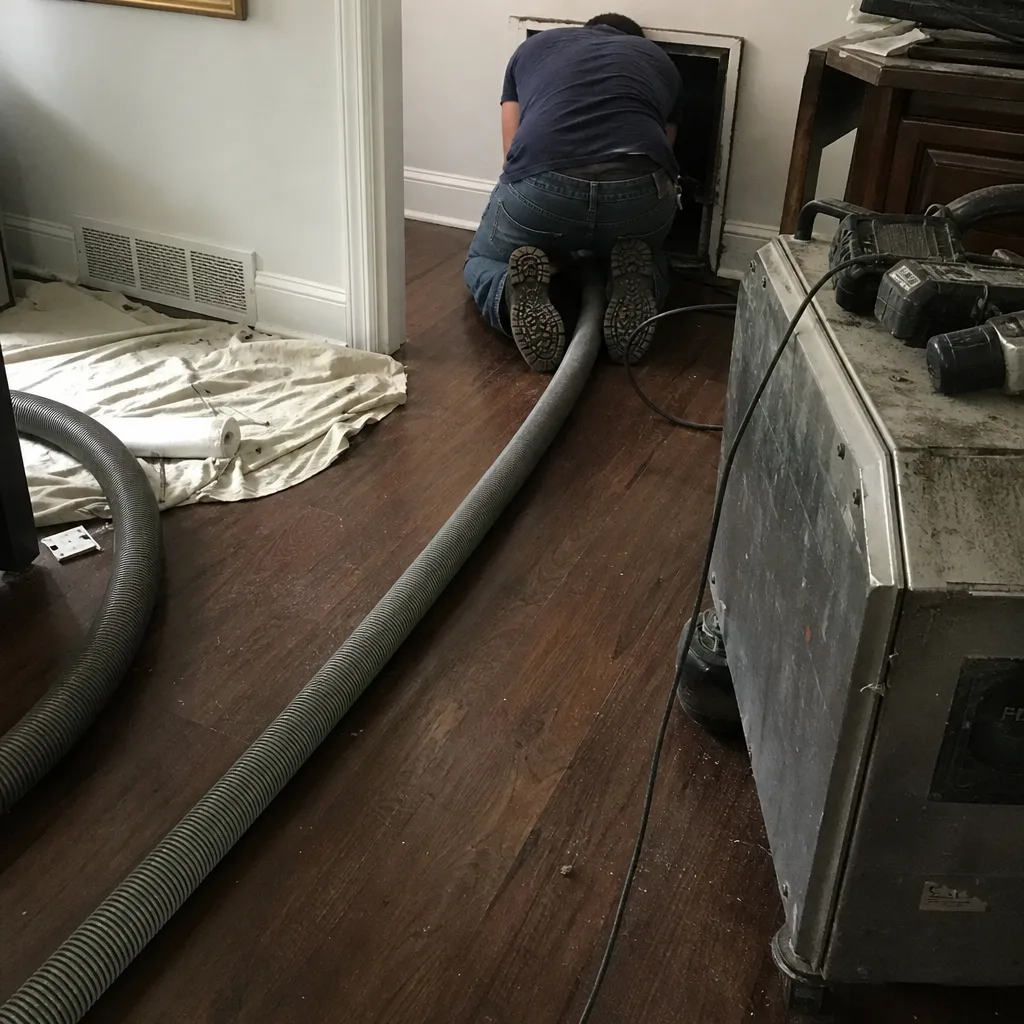 Before
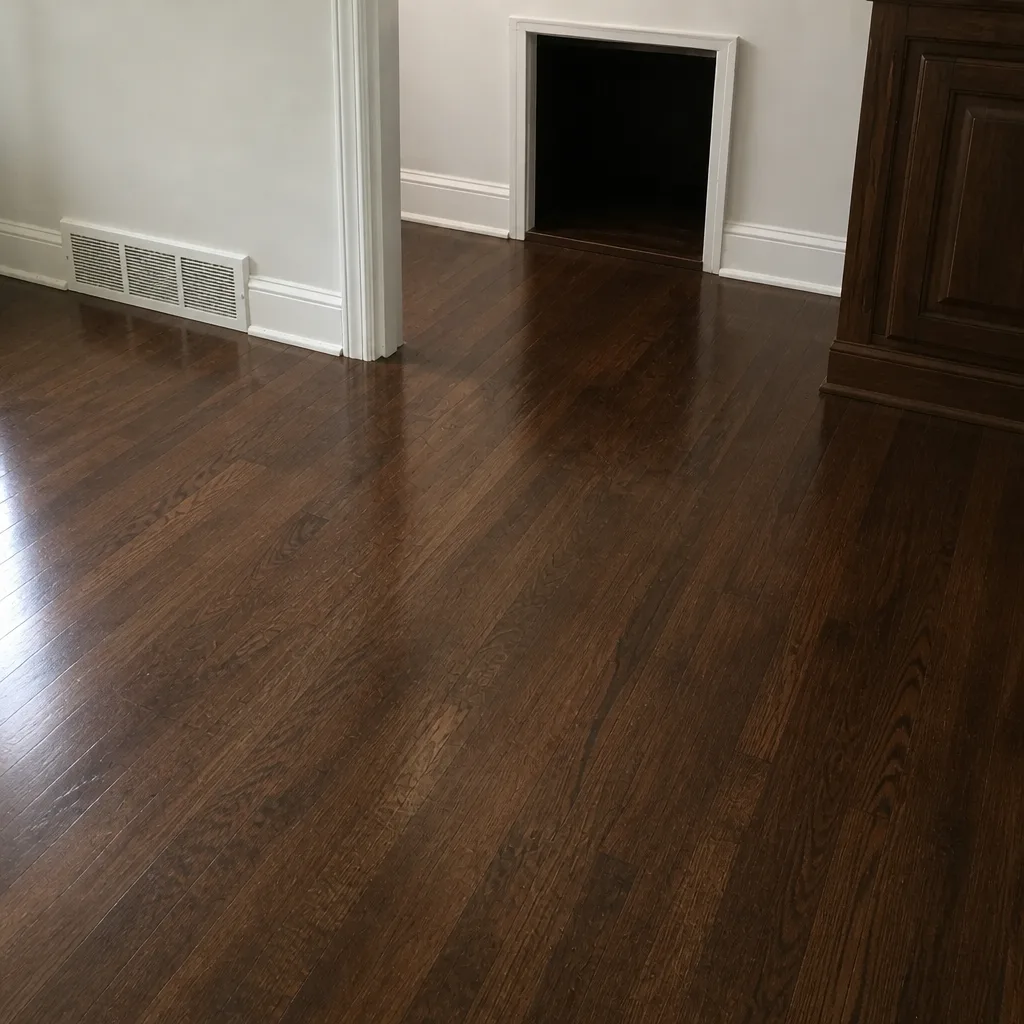 After
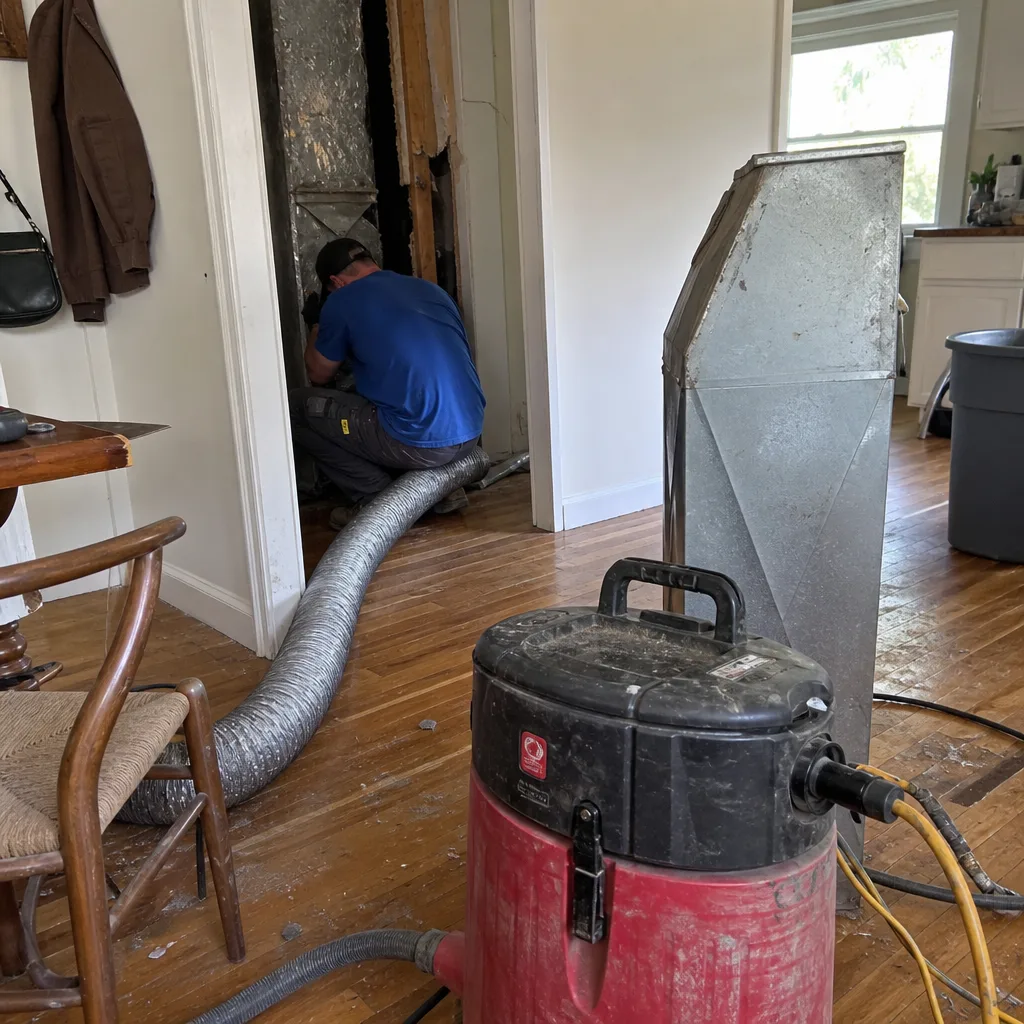 Before
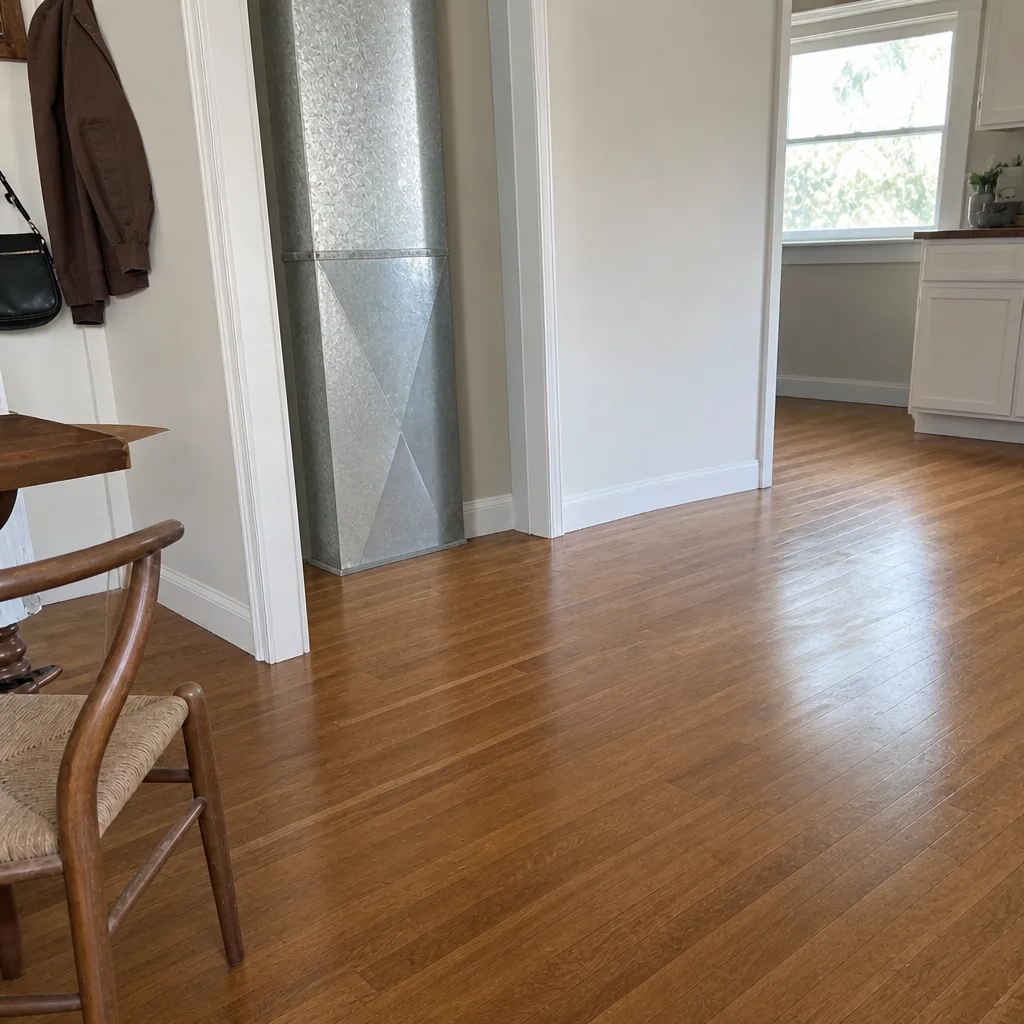 After
 Before
 After
When to Call a Professional
Call a professional when the DIY scope is exhausted – grilles are clean, filters are current, and dust or odor keeps coming back. That covers most NoDa homes at some point. It’s also the right call after renovation, when the dryer suddenly takes longer to dry clothes, or when a property manager wants a shared system evaluated across units. Those aren’t situations DIY can solve, and trying delays the actual fix. Air Duct Cleaning NoDa offers free estimates in NoDa – call (833) 509-5357. We answer 24/7. Fast dispatch from 7am to 7pm, Sunday through Friday. The local professional we connect you with is licensed and insured as their state requires, works from one flat price agreed before the job starts, and can walk you through the before-and-after photos of your own ducts. If the ducts had to be opened for cleaning, that’s the honest verification.
Frequently Asked Questions
No. DIY air duct cleaning reaches about 2% of duct surface area, and consumer vacuums can’t generate the negative pressure needed to extract compacted debris from the runs. DIY is useful for grille cleaning and filter maintenance, but the duct system itself needs professional equipment. For a proper quote in NoDa, call (833) 509-5357 – estimates are free.
Pricing is per job, based on the number of runs, home size, and whether dryer vent or HVAC cleaning is included. We don’t quote per-vent because per-vent pricing typically signals a surface-level visit. Call (833) 509-5357 for a free estimate – the written estimate sets the final price.
Most homes do well on a 3 to 5 year cycle, but homes with pets, recent renovation, or a smoker often need it sooner. Homes with persistent dust or odor may need it annually. Call (833) 509-5357 to talk through your situation.
They’re separate systems. The ducts handle HVAC air; the dryer vent carries exhaust from the dryer and collects lint, which is a fire-risk concern. Most homes need both on a maintenance schedule. Call (833) 509-5357 to book them together.
You should ask for before-and-after photos of your own ducts, and the technician should be willing to show you the system during the visit. If a company can’t produce photos, that tells you what you need to know. Call (833) 509-5357 for a job done with proper documentation.
Professional cleaning with the right equipment won’t. Rotobrush rotary brushes are sized to the duct interior and designed not to damage flex liner. DIY brushes pushed too deep, or forced past a joint, are the tools most likely to cause damage. If you’re worried about your system, call (833) 509-5357 for an assessment.
The Bottom Line
DIY air duct cleaning has a defined scope – grilles, returns, filter housing – and within that scope, it’s useful. Beyond it, the physics of negative pressure and duct length make professional equipment necessary. DIY surface maintenance on a monthly and quarterly rhythm, combined with professional cleaning on a 3 to 5 year cycle, is the honest answer for a NoDa homeowner. If dust or odor keeps coming back after DIY, that’s the sign to schedule a professional visit. Air Duct Cleaning NoDa offers free estimates – call (833) 509-5357. We answer 24/7. Fast dispatch from 7am to 7pm, Sunday through Friday.
Written by the team at Air Duct Cleaning NoDa.