
Last updated November 23, 2026
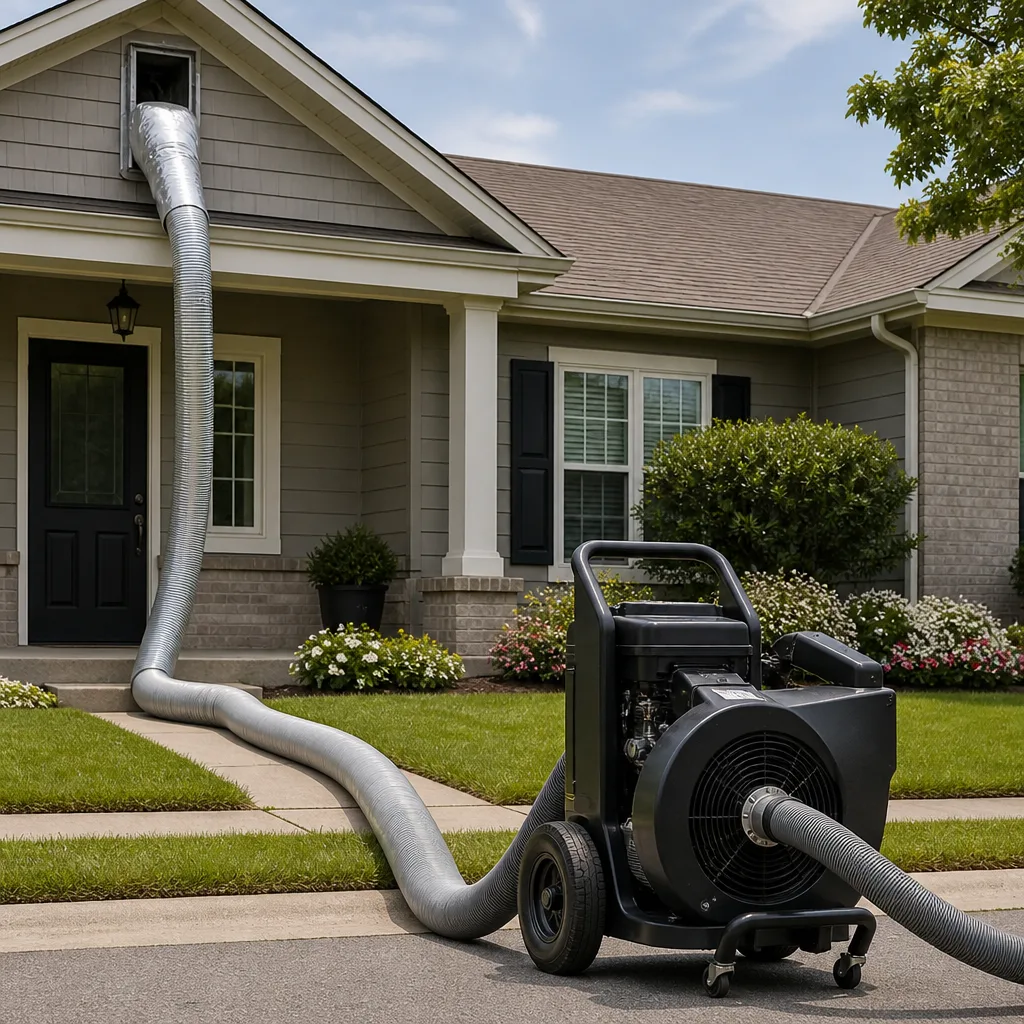 Whole-home duct cleaning
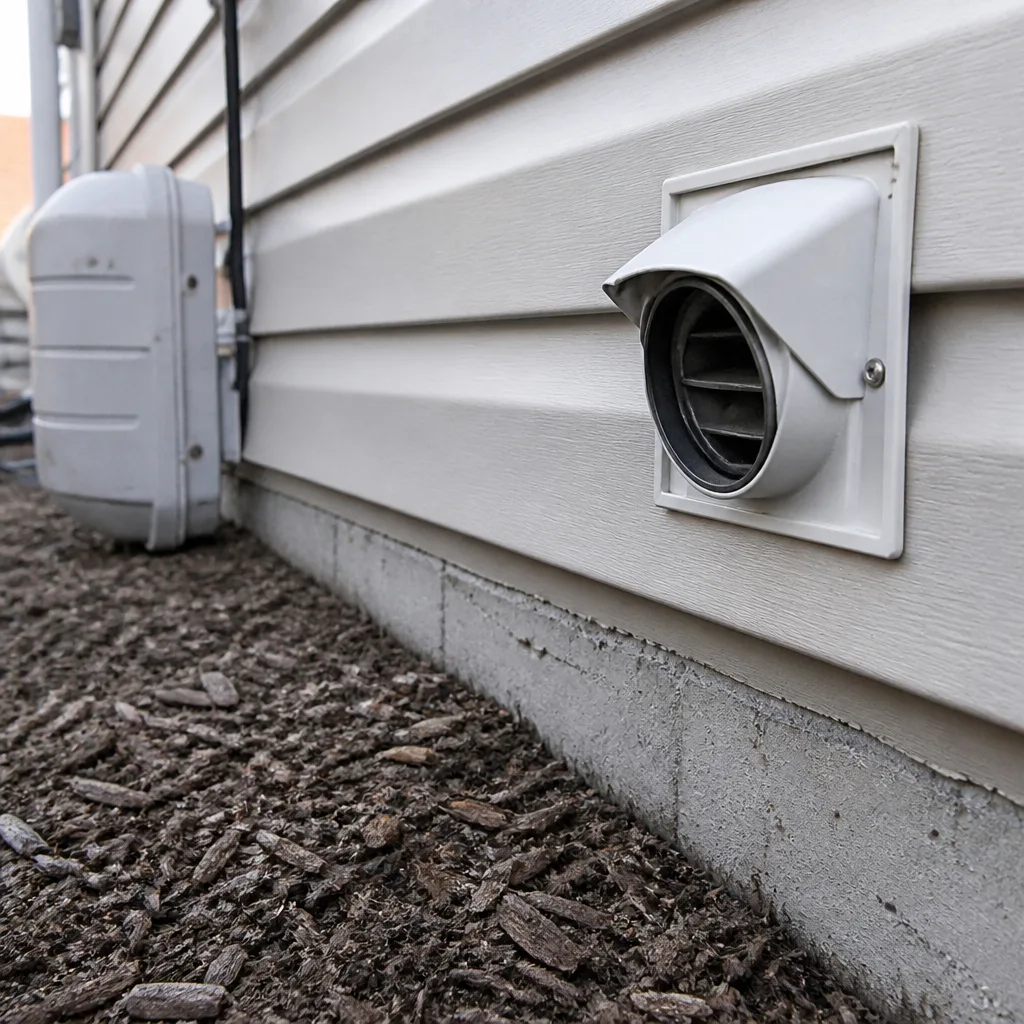 Dryer vent cleaning
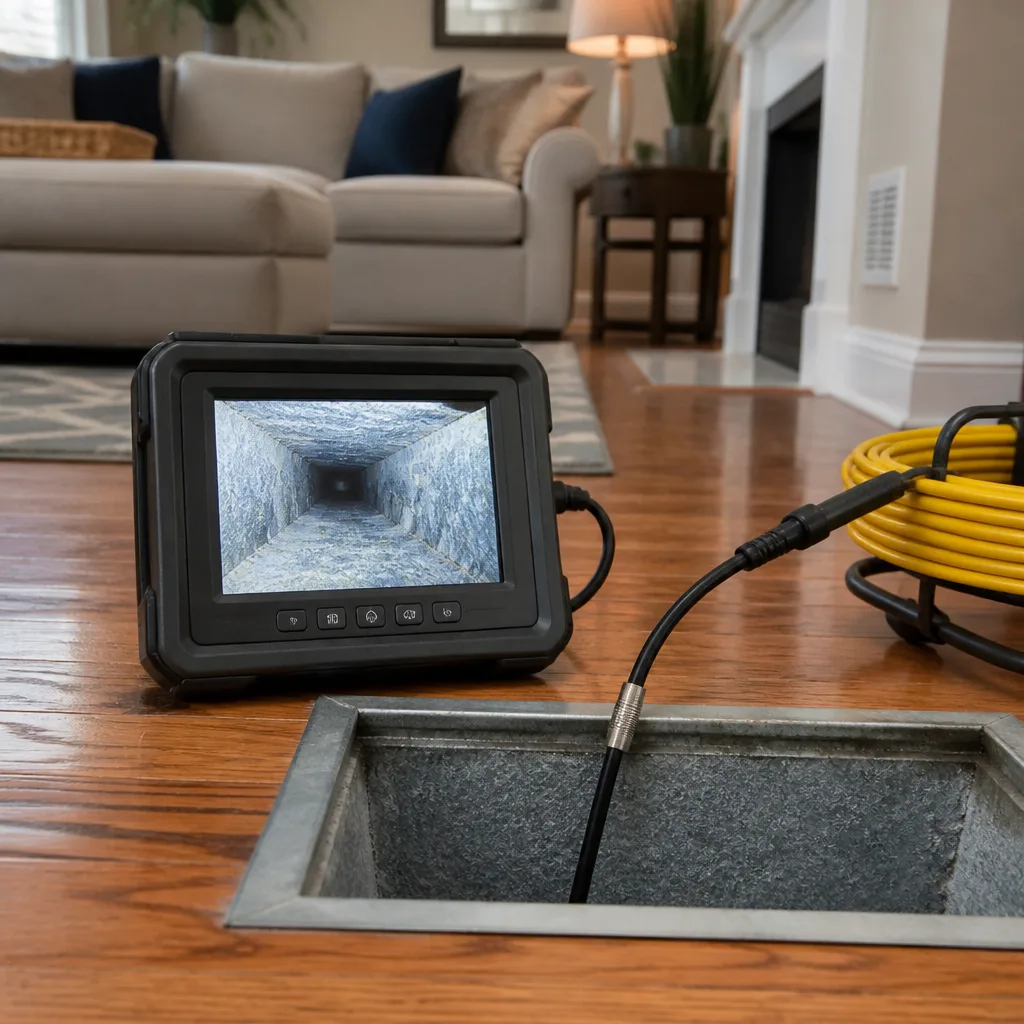 Camera inspection
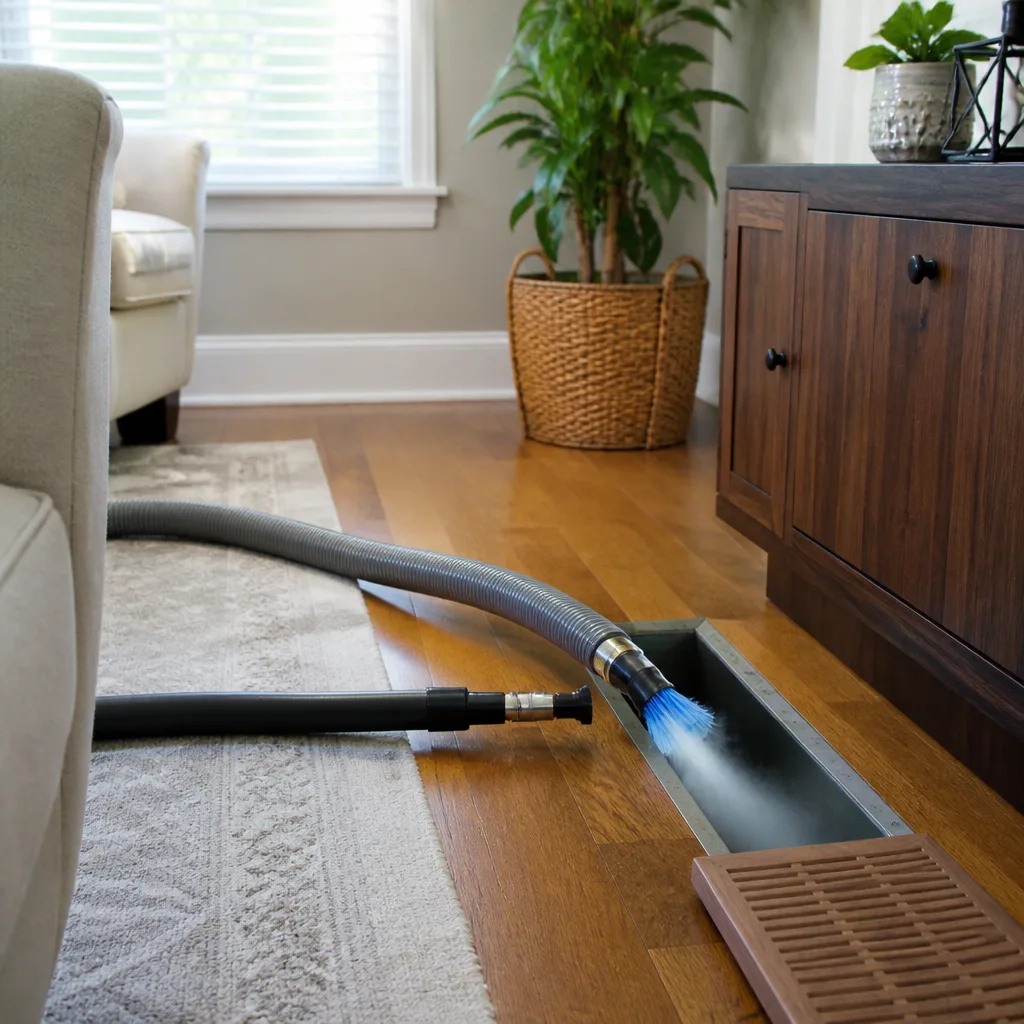 Sanitizing & deodorizing
Whole-system duct and dryer vent check with before-and-after photos - you see exactly what came out of your vents
That "$99 whole-house special" is a bait ad - the real number appears once they are in your hallway, or the "clean" is a shop-vac at the register. We photograph the inside of your ducts before and after instead.
Choosing the Right Air Duct Cleaning Brand: A Buyer’s Guide for NoDa
Most duct cleaning quotes you’ll get in NoDa sound identical. Same promises, same vague references to “truck-mounted equipment,” same inability to tell you what brand of machine will actually be in your hallway. The contractors who can name their equipment by brand and model number are showing you something specific: they’ve invested in professional-grade tools and they expect you to notice. The ones who can’t usually can’t because their setup came from a home improvement store. This guide explains what Rotobrush, Nikro, and Abatement Technologies equipment actually does inside your ducts, why the differences matter for your home, and how to ask questions that separate a real technical operation from a marketing claim. By the end, you’ll know what to listen for.
Quick Answer
The right air duct cleaning brand in NoDa is the one that tells you the specific equipment it will use before you sign anything, and can explain what each piece does. Look for a company that runs a rotary brush system (Rotobrush is the industry standard), a high-CFM negative air machine with HEPA filtration (Nikro is the contractor-grade name), and containment equipment to control dust during the work. If a quote can’t name its tools, it’s a vacuum and a promise.
Styles & brands we work with
- Whole-home duct cleaning
- Dryer vent cleaning
- Camera inspection
- Sanitizing & deodorizing
Table of Contents
- Why equipment brand is the most honest signal you’ll get
- What Rotobrush actually does that a shop vac can’t
- Nikro negative air machines and why CFM matters in NoDa homes
- Abatement Technologies and what “source capture” really means
- How to verify a contractor actually owns the equipment it cites
- Matching equipment to NoDa housing types: flex duct vs. rigid metal
- Why cleaning, sealing, and dryer vent should come from one company
- The exact questions to ask before you book
Why Equipment Brand Is the Most Honest Signal You’ll Get
Every duct cleaning company in NoDa uses the same script. They’ll mention “powerful suction,” “HEPA filtration,” and “certified technicians,” and none of it tells you whether the work will be done properly. The equipment brand is different because it’s a specific, verifiable fact. Either the company owns a Rotobrush or it doesn’t. Either there’s a Nikro negative air machine in the van or there isn’t.
Here’s why that matters more than experience claims or review counts: duct cleaning is a mechanical process, and the outcome is determined by whether the tools can physically dislodge and remove what’s coating the inside of your ducts. A vacuum alone pulls loose dust. It doesn’t touch the stuck-on layer. A rotary brush without enough negative pressure behind it stirs debris into the room. Getting it right requires both, working together, with enough airflow to contain what’s released.
The other thing equipment tells you is scale. A contractor who bought a $300 wet/dry vac and a $40 brush kit is set up for a job they can finish in an hour. A contractor with a Rotobrush and a Nikro unit is set up for a job that takes most of a day per system. The price difference between those two quotes is real, and it’s mostly the equipment.
- Brand-named equipment = professional investment, contractor-class tools, verifiable
- Generic “truck-mounted” = unclear, could mean anything from a trailer vacuum to nothing
- No equipment mentioned at all = usually a shop vac and a brush
If you’re hiring for a full-system job in NoDa, this is the first question to ask. Not the price, not the availability. The equipment. Everything else follows from it. You can read more about what a proper air duct cleaning involves before you start calling.
What Rotobrush Actually Does That a Shop Vac Can’t
Rotobrush is a rotary brush system with an integrated vacuum, and the key word is “integrated.” The brush head spins inside the duct while a vacuum hose pulls air continuously from behind the brush. That continuous negative pressure is the whole point. It means debris is captured the moment it’s dislodged, not after the fact.
Compare that to the two-step approach many cheaper services use: vacuum the duct, then run a brush through it. The moment the brush hits the duct wall, the vacuum is already off or disconnected, and the loosened material goes into the air in your home. In a NoDa bungalow with an older return system, that material lands on your furniture and in your lungs. The brush method isn’t wrong; it’s the sequencing that’s wrong.
The Rotobrush system also lets the technician control brush speed and vacuum strength separately. Different duct materials need different brush aggression. A flexible duct liner can be damaged by a brush spinning too fast; rigid metal can take more. A technician running a Rotobrush can adjust on the fly, and that’s part of why the system is the standard in the trade.
- Technician cuts access points at the trunk line and at each branch, if they aren’t already there.
- The rotary brush head is fed into the duct, brush spinning, vacuum engaged and running the entire time.
- As the brush moves through, debris is pulled continuously into the collection unit, not into the room.
- Brush speed and vacuum are adjusted for the duct material as the technician works through the system.
- The process repeats for supply and return runs, then the technician verifies with a visual inspection.
That’s what “here’s what we actually do inside your ducts” looks like in practice. It’s not a vague claim about suction; it’s a mechanical process with a defined sequence. When the equipment is named, the process can be described. When it isn’t, the contractor is improvising.
Nikro Negative Air Machines and Why CFM Matters in NoDa Homes
A negative air machine does one job: it keeps the air pressure in your home lower than the air pressure in the ducts, so anything released during cleaning flows out through a filter instead of into your living room. Nikro builds contractor-grade units with high CFM (cubic feet per minute) ratings and HEPA filtration, and the capacity difference between a Nikro and a consumer-grade air scrubber is not small.
CFM matters most in homes with specific conditions. If anyone in your household has asthma or a compromised immune system, or if you’ve recently had renovation work done in a NoDa home, the amount of particulate released during duct cleaning is a real concern. A high-CFM HEPA unit can process the air volume fast enough to keep up with the brush. A low-CFM unit can’t, and the debris ends up settling on surfaces you’ll have to clean yourself.
Renovation dust is the specific case worth understanding. Drywall dust, sawdust, and insulation fibers settle in duct systems and cling to the duct walls. When the system runs, that material circulates. A properly equipped cleaning removes it without releasing it. A poorly equipped cleaning just redistributes it.
- High-CFM HEPA negative air: keeps pace with the brush, contains released particulates, appropriate for homes with immune-compromised occupants or recent renovations
- Low-CFM consumer scrubber: lags behind the cleaning action, allows some particulate escape
- No containment at all: the debris released during cleaning goes into the living space
This is also why the Air Duct Cleaning NoDa service is built around contractor-grade equipment rather than consumer tools. The difference isn’t a marketing point, it’s the thing that determines whether your home is cleaner or dustier after the job.
Abatement Technologies and What “Source Capture” Really Means
Source capture is a term borrowed from industrial and restoration work, and it means controlling a contaminant at the point where it’s generated rather than letting it disperse and filtering the whole room afterward. In duct cleaning, that means capturing debris at the access point and at the brush head, not vacuuming the air in the room after the fact.
Abatement Technologies builds containment and air filtration equipment for exactly this: source capture in occupied spaces. When this equipment is deployed during a duct cleaning in NoDa, the goal is to ensure that nothing released inside the ductwork migrates into the home. The equipment is placed and configured before any brushing begins, and it runs until the job is complete.
The difference between source capture and whole-room air filtration is where the contaminant goes. Whole-room filtration pulls contaminated air from the whole room and filters it, meaning the contaminant has already entered the room and is being cleaned up second. Source capture stops it from getting there in the first place. For a homeowner who’s having ducts cleaned because of allergy symptoms or visible dust, that distinction is the difference between solving the problem and repeating it.
This is also where product brand matters beyond the cleaning itself. Companies that work with Honeywell and Aprilaire air quality products can recommend and install upgrades after the cleaning, things like media filters or bypass humidifiers that keep the system cleaner over time. A cleaning-only contractor leaves you with clean ducts and no path forward.
How to Verify a Contractor Actually Owns the Equipment It Cites
Some contractors will say “we use Rotobrush equipment” because it sounds credible, not because it’s true. The good news is that this is easy to verify if you know what to ask and what to look for.
- Ask for the model number. A company that actually owns a Rotobrush knows its model number. Vague answers or a redirect to “truck-mounted” language is a warning sign.
- Ask what happens to the debris during brushing. The right answer involves continuous negative pressure behind the brush, not “we vacuum afterward.”
- Ask whether containment is set up before or after the brush starts. The answer should be before. If the technician can’t describe the sequence, they haven’t done it enough times.
- Ask to see the equipment when they arrive. A legitimate contractor will show you the machine. It will be branded with the manufacturer’s name, not a sticker.
- Ask whether they photograph the before-and-after. A technician who used real equipment will have visual documentation of the ducts before and after cleaning.
The last one is worth emphasizing. Before-and-after photos of your own duct system are the closest thing to proof that the work was done with the equipment claimed. If the cleaning happened the way the contractor said, the photos will show it. If the contractor can’t provide them, ask why.
We’ve found that the companies with the most specific answers tend to be the ones with the most invested equipment. It’s not a perfect correlation, but it’s a reliable one, and it’s why we lead every quote with the equipment list rather than the price.
Matching Equipment to NoDa Housing Types: Flex Duct vs. Rigid Metal
NoDa’s housing stock is split in a way that affects equipment choice. The older bungalows and mill-era homes were built with whatever duct material was available, and that often means flexible duct that’s been patched, rerouted, or compressed over the years. The newer infill homes, particularly the larger ones, tend to have rigid metal trunk-and-branch systems that resemble commercial installs more than residential ones.
These two systems call for different brush configurations and different vacuum pressures. A flexible duct liner can be damaged by too aggressive a brush, and a technician running a rotary brush system needs to know which runs are flex and which are metal before the brush goes in. Rigid metal can take more, but it’s also often larger diameter and the brush head needs to match. If a contractor shows up with one brush and one setting, they’re not equipped for a house that has both.
- Older flex duct systems: brush speed and pressure set conservatively; access points checked carefully since older duct tape and connections may need re-sealing afterward
- Rigid metal systems in newer infill homes: larger brush heads, higher vacuum capacity, and often more supply runs to work through
- Mixed systems: the most common case in NoDa, and the one that requires the most equipment flexibility
In NoDa’s climate, the other factor is that HVAC systems run hard through the summer, which means ducts accumulate debris faster than in milder climates. That doesn’t change the equipment choice, but it does affect how often a cleaning is worth doing. For a home in NoDa with flex duct and a heavy cooling load, the interval between cleanings should probably be shorter than the general guidance suggests.
Why Cleaning, Sealing, and Dryer Vent Should Come from One Company
There’s a structural reason to want a single company handle everything: the systems interact. Duct cleaning without duct sealing pulls debris from a leaky duct system and leaves the leaks in place. Duct sealing without cleaning seals debris inside. And dryer vent cleaning is often treated as an afterthought even though it’s a separate fire-safety concern worth its own dedicated service.
A company equipped to do the full job is one that can look at your duct system and make a coherent recommendation: clean it, seal it, and recommend a filtration upgrade if the system needs one. That’s a different scope of work than a cleaning-only company can offer, and it’s why the “full-scope” positioning matters. It’s not a bundle; it’s a sequence that makes sense because each step affects the next.
The dryer vent piece is the one most NoDa homeowners overlook. A dryer vent that’s clogged or improperly installed is a fire risk, and the cleaning is a specific job distinct from duct cleaning. A company that offers it as a standalone service, rather than something to throw in at the end, is one that takes it seriously. Here’s more about dryer vent cleaning and why it’s separate.
The other piece in the scope is HVAC cleaning, which covers the evaporator coil and the air handler components, not just the ducts. Clean ducts connected to a dirty coil are still a system that circulates debris. Companies that offer HVAC cleaning alongside duct cleaning can address the whole air path rather than just the visible parts.
The Exact Questions to Ask Before You Book
If you want to distinguish an equipment-serious company from a coupon service, these are the questions that do it. Ask them in the same order every time and compare the answers.
- What brand of rotary brush system do you use? Rotobrush is the standard. A named brand with a model number is the right answer; “a brush” is not.
- What’s the CFM rating of your negative air machine? They should know it. A high-HEPA contractor-grade unit is what you’re listening for.
- Do you set up containment before brushing, and what brand? Abatement Technologies is a professional-grade name in IAQ containment.
- Will you photograph the ducts before and after? The right answer is yes, and you’ll see your own ducts in the photos.
- Do you offer duct repair and sealing, or just cleaning? Full-scope is the answer you want, because a cleaning that isn’t followed by sealing leaves the problem half-solved.
- Can you recommend or install air quality upgrades? Honeywell and Aprilaire are the brands that come up in a serious answer.
- Is the price per system or per vent? Per-vent pricing is the bait-and-switch structure. You want a flat price per system, agreed before the work starts.
That last question is the one most homeowners forget to ask and the one where the coupon services fall apart. A per-vent price looks low until the technician counts thirty vents and the total is a multiple of the quote. A flat price per system is what a company with real equipment can offer, because the equipment makes the work predictable.
For a company that answers all seven, the quote is a technical document rather than a sales pitch. That’s what you’re looking for.
Common Mistakes to Avoid
- Choosing on price alone. The cheapest quote in NoDa is usually the one with a shop vac and a per-vent price. It looks cheaper until you pay for the second cleaning.
- Not asking what equipment will be used. If the quote doesn’t name a tool, assume it’s a consumer-grade vacuum. The difference is the whole job.
- Accepting the “we vacuum afterward” answer. A brush-first sequence releases the debris you’re trying to remove into the room. Continuous negative pressure behind the brush is the only correct setup.
- Forgetting the dryer vent. A clogged dryer vent is a fire risk that most NoDa homeowners never think about until there’s a problem. Treat it as a separate, scheduled service, not a bonus.
- Believing the “certified” sticker. Certification claims are hard to verify. Equipment brands and model numbers are not. Ask for the model number instead.
- Skipping the sealing step. Cleaning without sealing leaves leaky ducts to pull dust back in. If the scope stops at cleaning, the result won’t last.
- Not asking about containment. A cleaning that isn’t contained means you’ll be wiping down surfaces for a week afterward. Professional contractors set containment before the brush goes in.
See the difference
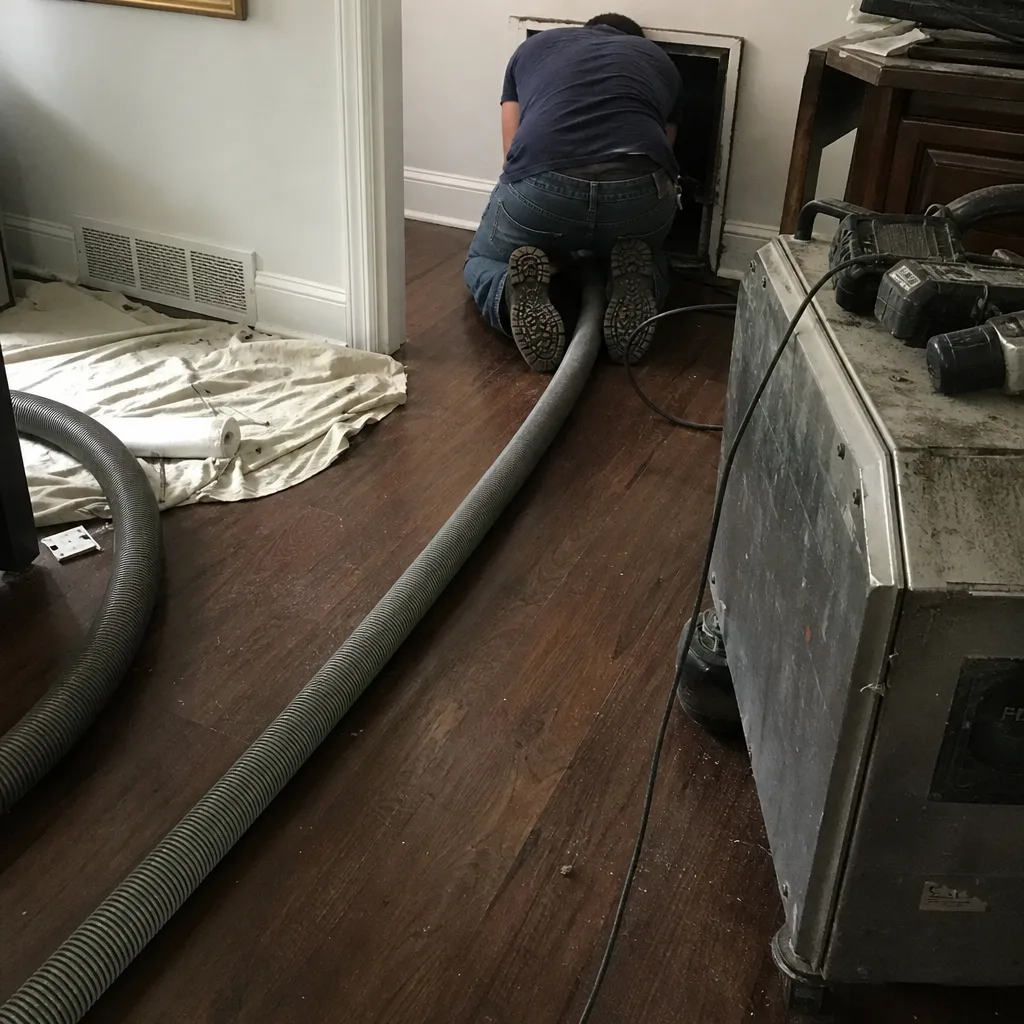 Before
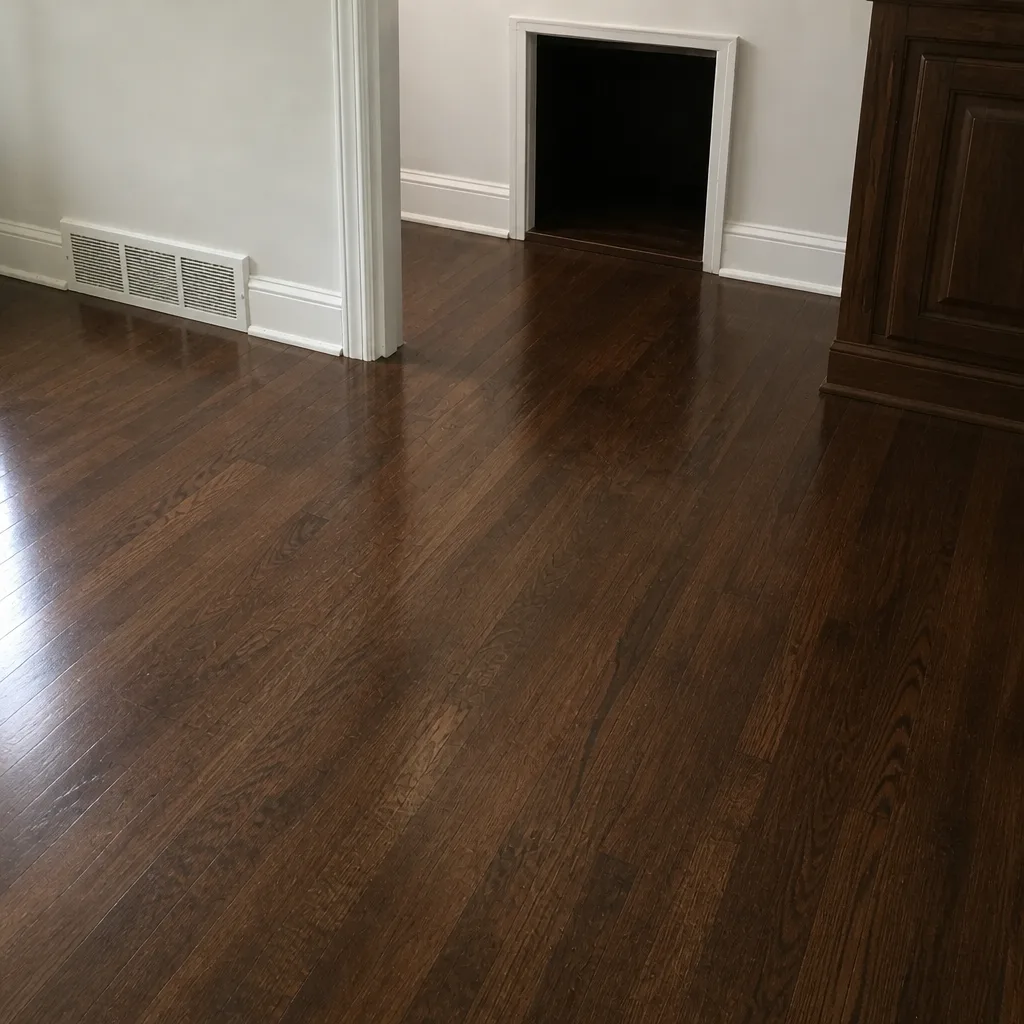 After
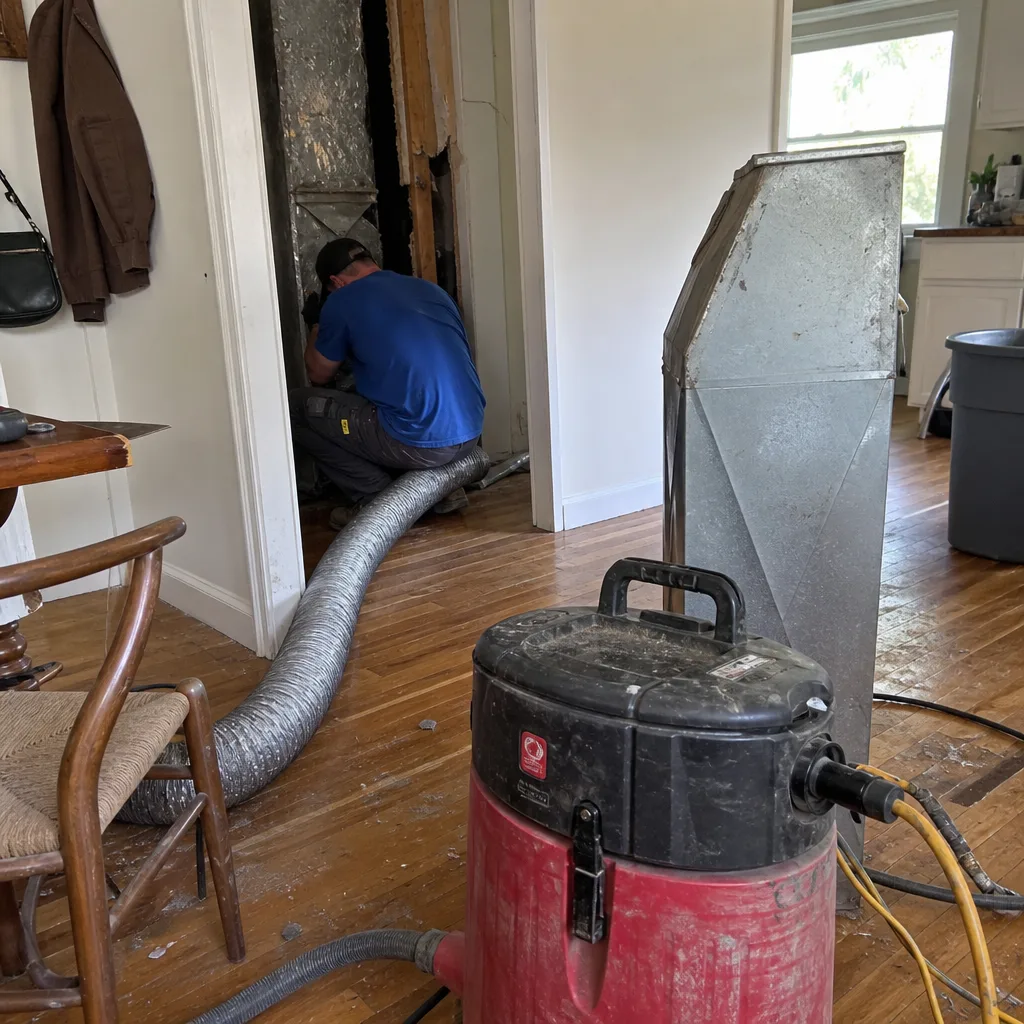 Before
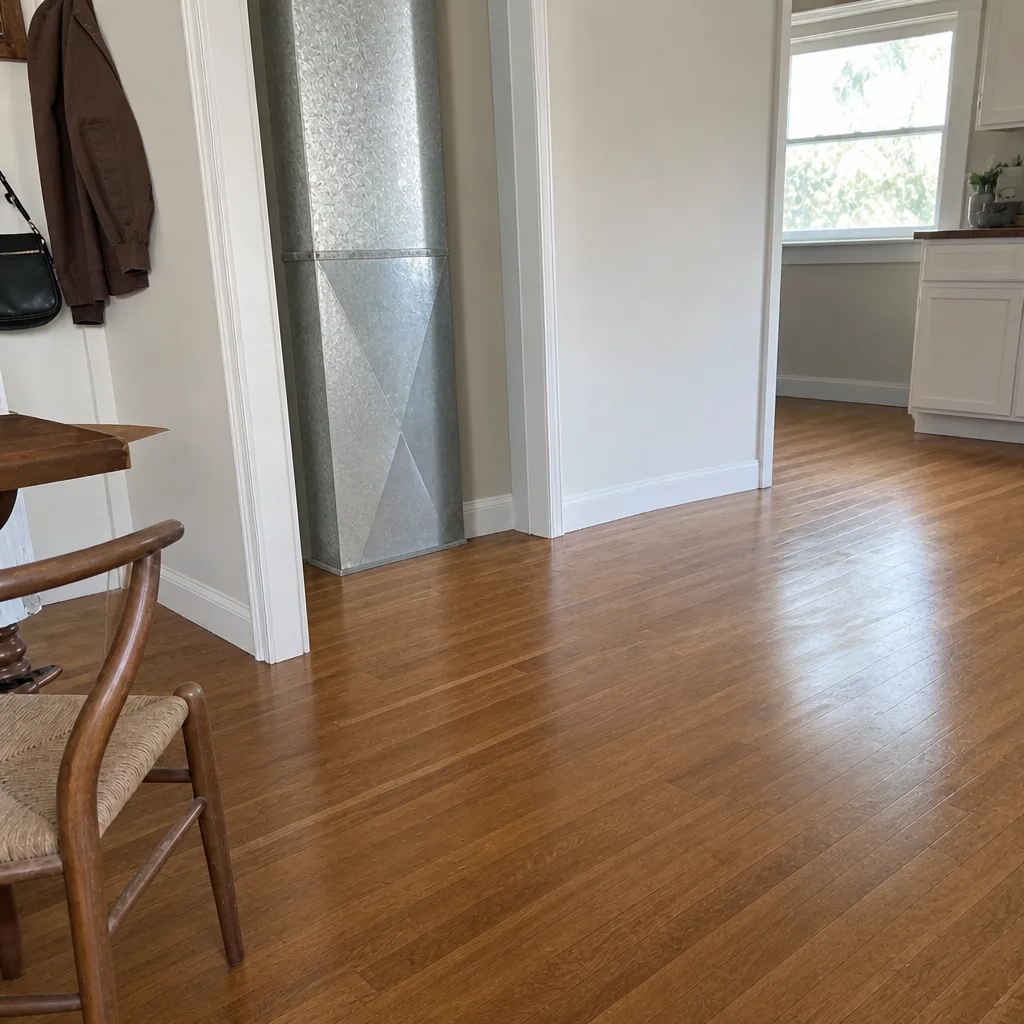 After
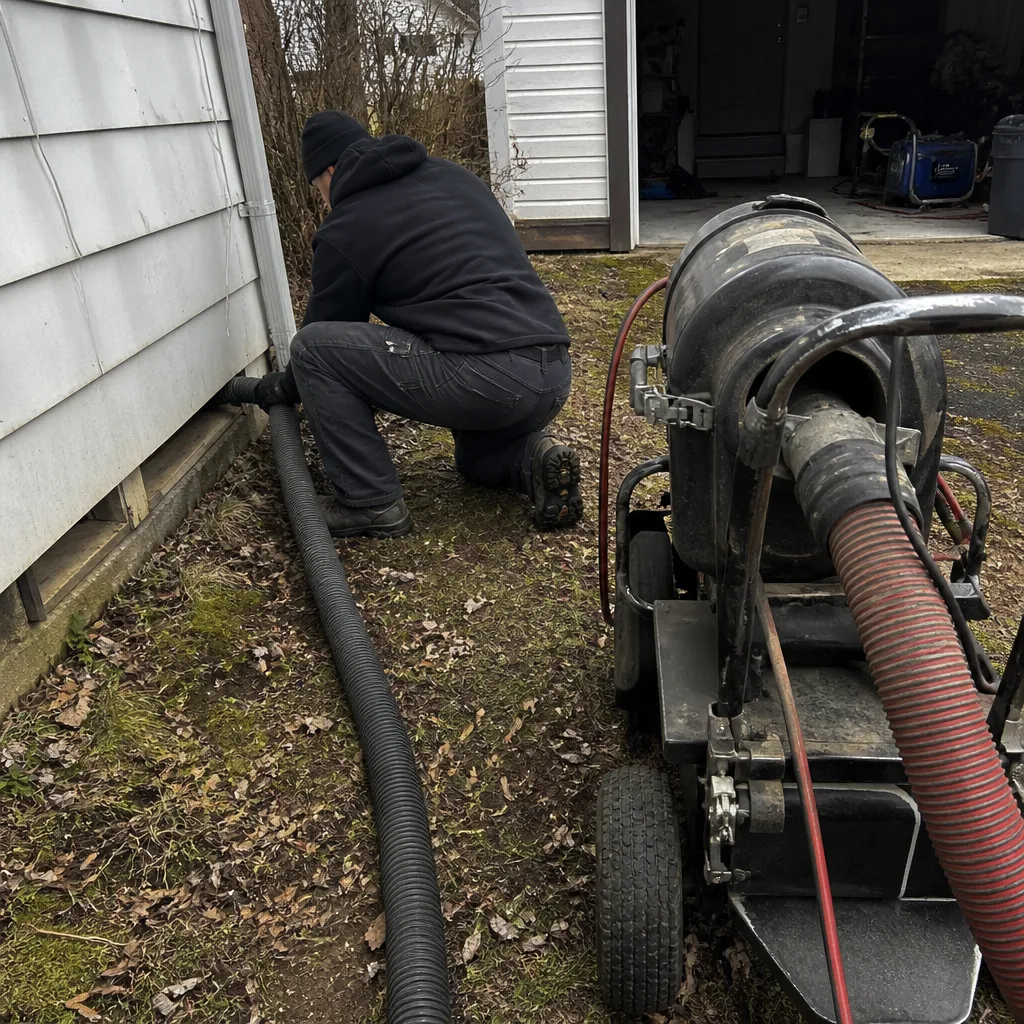 Before
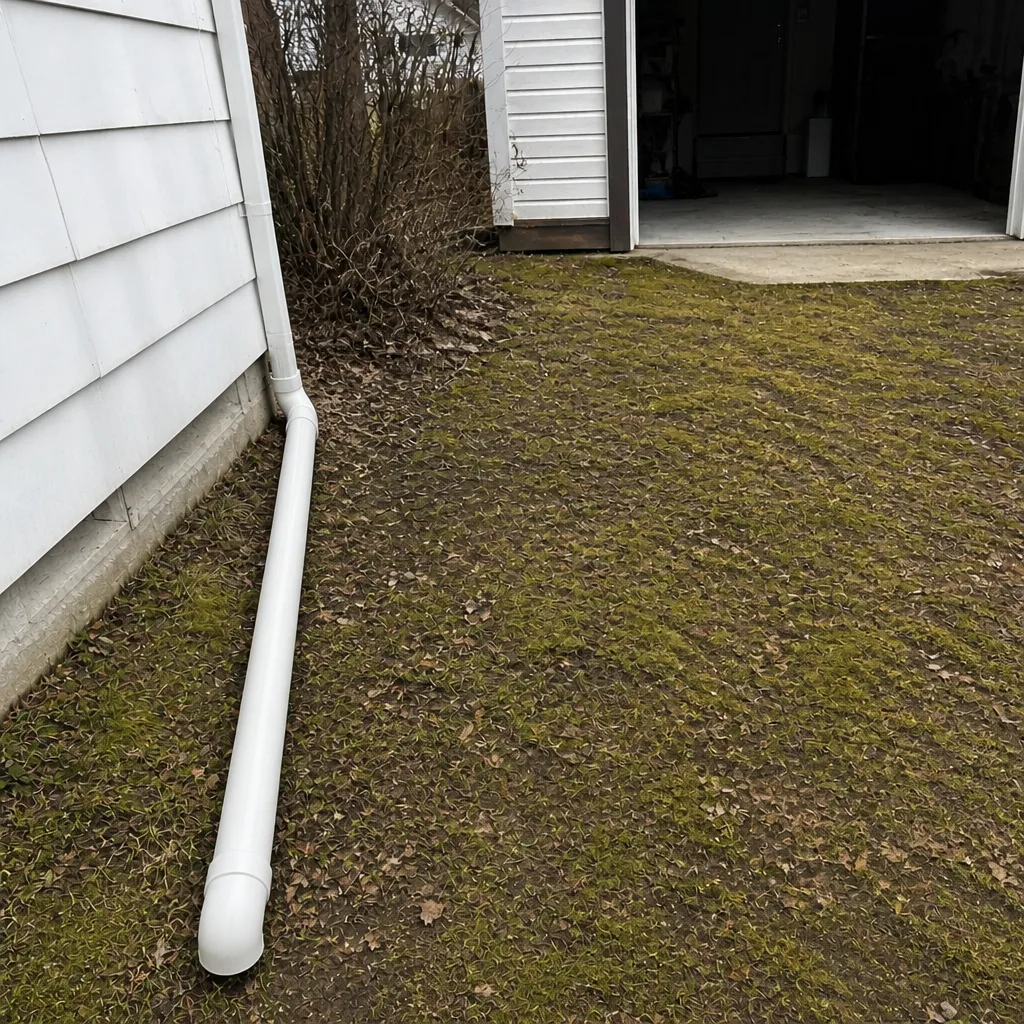 After
When to Call a Professional
Some duct issues are obvious and some aren’t. Call a professional if you’re seeing visible dust buildup on vents or registers, if there’s a persistent musty odor when the HVAC runs, if anyone in the home has allergy symptoms that seem worse indoors, or if the system is struggling to keep up during the summer cooling season. Those are signs that a cleaning is due, and they’re signs that the right cleaning will make a difference.
Call sooner if you’ve had recent renovation work, if the system has never been cleaned, or if the dryer is taking longer to dry a load than it should. Those last two are where the fire-safety and efficiency concerns overlap, and they’re the cases where the equipment choice matters most. In NoDa, Air Duct Cleaning NoDa offers free estimates. Call (833) 509-5357. We answer 24/7. Fast dispatch from 7am to 7pm, Sunday through Friday.
Frequently Asked Questions
The price is set per system by a written estimate, so the honest answer is to ask for one. What you should not accept is a per-vent price or a teaser coupon figure, because those are the structures that turn into a much larger invoice once the technician is in the home. Call (833) 509-5357 for a free estimate. We answer 24/7. Fast dispatch from 7am to 7pm, Sunday through Friday.
Cheaper quotes usually reflect cheaper equipment and a shorter job. A shop vac and a brush cost a fraction of a Rotobrush system and Nikro negative air machine, and the work takes less time. The quote reflects what’s actually being done, and a cleaning that doesn’t dislodge the stuck-on layer isn’t the same job as one that does. Ask what equipment is used before comparing prices. Call (833) 509-5357 for a free estimate that names the tools.
Ask for before-and-after photos of your own duct system. A contractor who ran the equipment they claimed will have visual documentation, and the photos should show the inside of your ducts before and after the cleaning, not stock images. If the contractor can’t provide them, that’s your answer. Call (833) 509-5357 to schedule an estimate and ask about documentation.
The honest answer is that it varies by home. A NoDa house with flex duct and a heavy summer cooling load will accumulate debris faster than a newer home with rigid metal and a milder climate. Most guidance says every three to five years, but if you’ve had renovations, pets, or ongoing allergy concerns, shorter intervals make sense. Call (833) 509-5357 and we’ll talk through what’s right for your home.
Yes, because the equipment determines whether the debris is removed or redistributed. A rotary brush with continuous negative pressure behind it captures what’s dislodged. A vacuum-and-brush sequence releases it into the room. The difference in equipment is the difference in result, and it’s why the brand name is the first question worth asking. Call (833) 509-5357 for a free estimate with the equipment named up front.
Mixed systems are common in NoDa, and they require equipment that can handle both. The technician adjusts brush speed and vacuum for each run, which is why a rotary system with adjustable settings matters more in a mixed-duct home than a simple one. Ask the contractor how they handle mixed systems before you book. Call (833) 509-5357 to discuss your specific setup.
The Bottom Line
The equipment a duct cleaning company uses is the most honest signal you’ll get about how the job will be done. Rotobrush rotary brush systems with integrated vacuum, Nikro high-CFM negative air machines, and Abatement Technologies containment are the tools that separate a real technical operation from a vacuum-and-a-promise. If a contractor can name the equipment and explain the sequence, they’ve invested in doing the work properly. If they can’t, the quote is cheaper because the job is smaller. In NoDa, the right question to lead with is the equipment list, and the right company is the one that answers it without being asked twice.
Air Duct Cleaning NoDa provides air duct cleaning, dryer vent cleaning, HVAC cleaning, air quality and sanitizing services, and duct repair and sealing under one company, using professional-grade Rotobrush, Nikro, and Abatement Technologies equipment. Our technicians have up to 8 years of experience. If you’re ready to get a free estimate with the equipment named up front, call (833) 509-5357. We answer 24/7. Fast dispatch from 7am to 7pm, Sunday through Friday.
Written by the team at Air Duct Cleaning NoDa.