
Last updated November 23, 2026
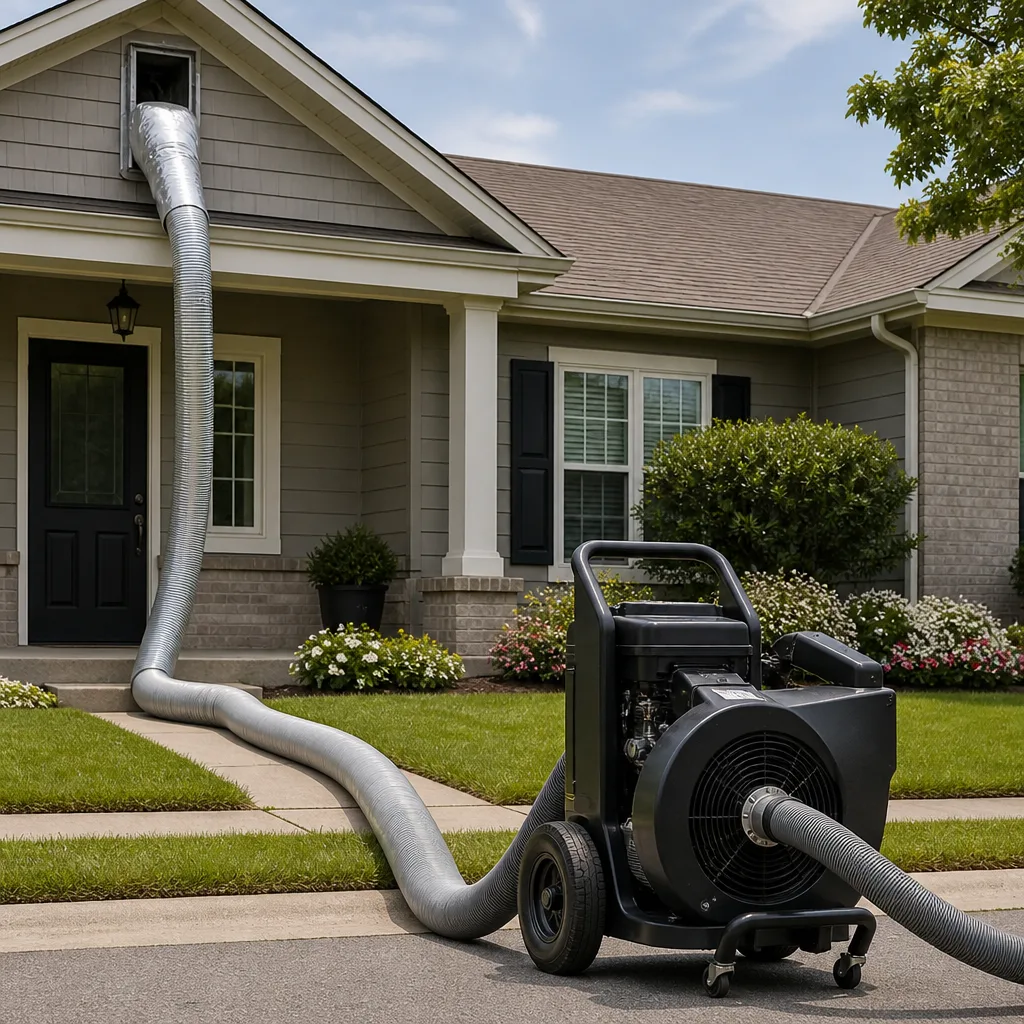 Whole-home duct cleaning
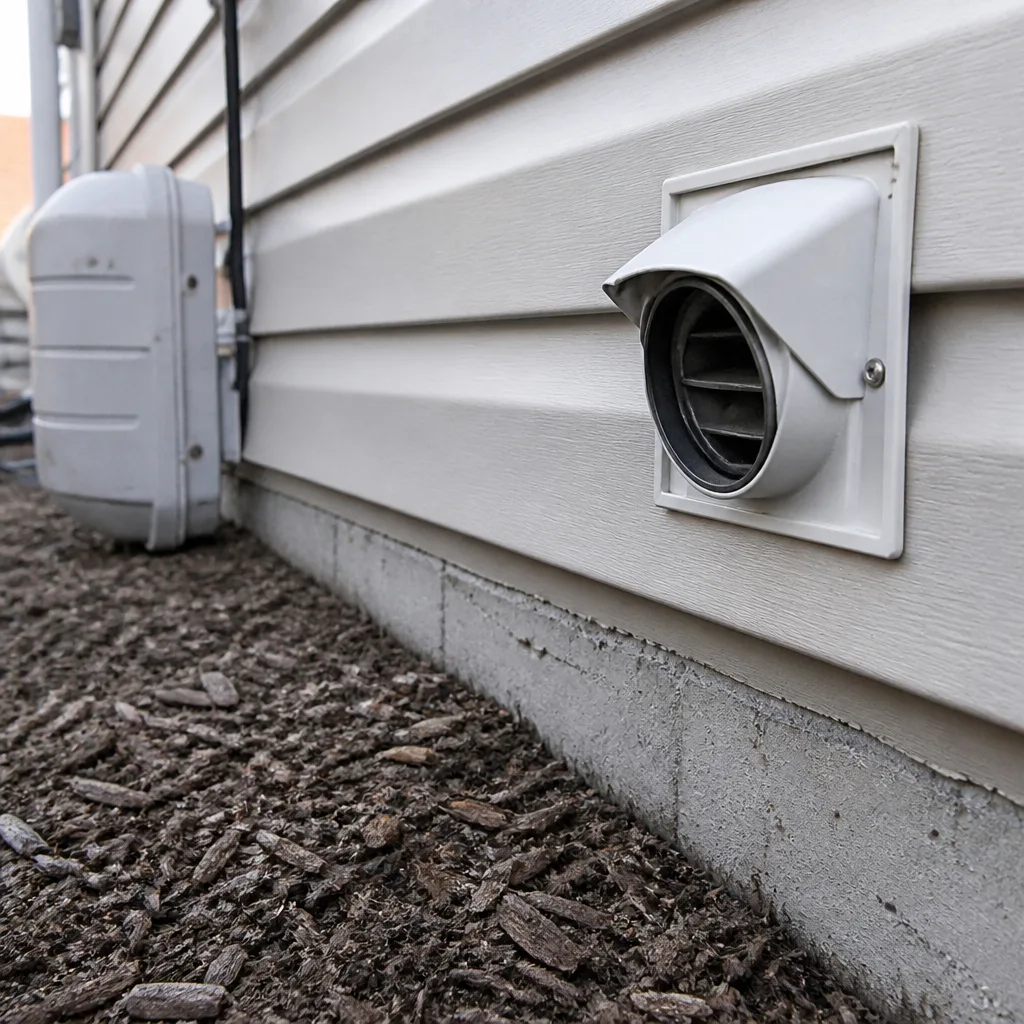 Dryer vent cleaning
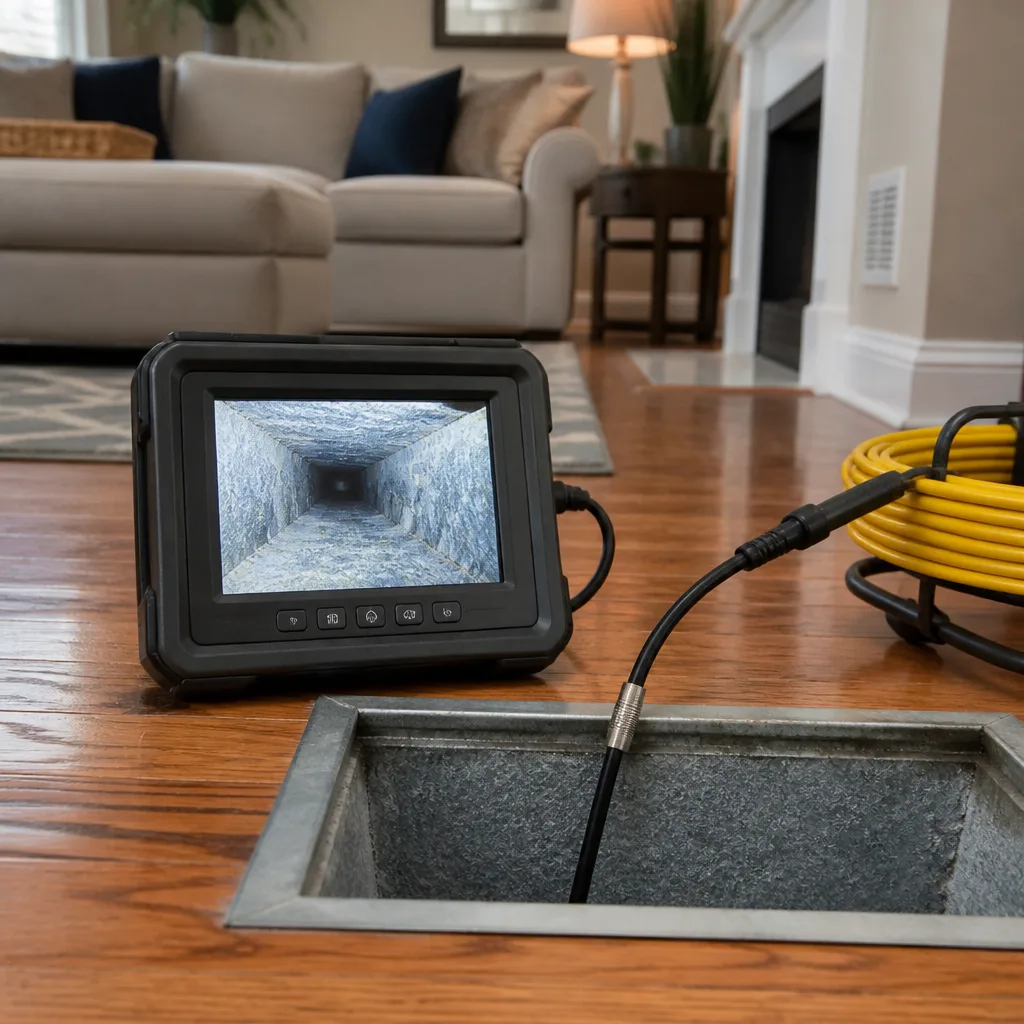 Camera inspection
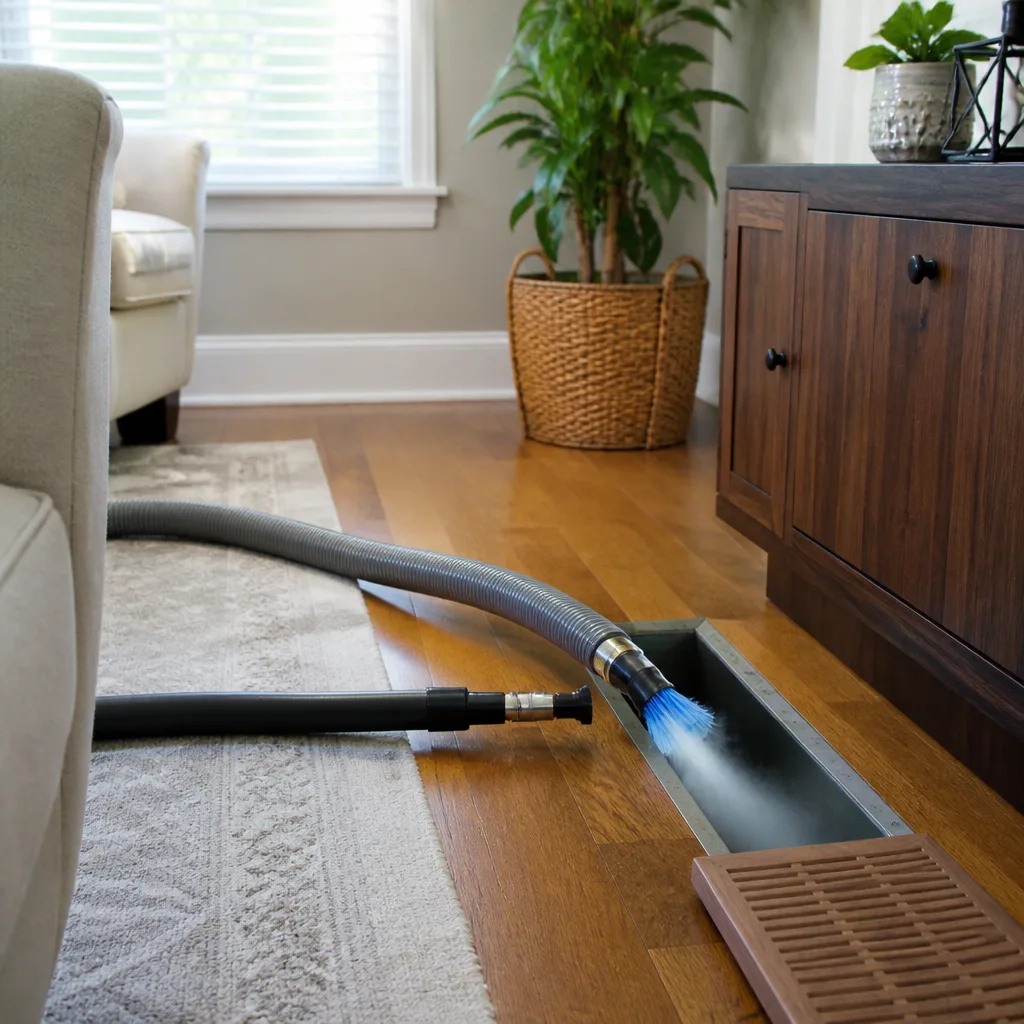 Sanitizing & deodorizing
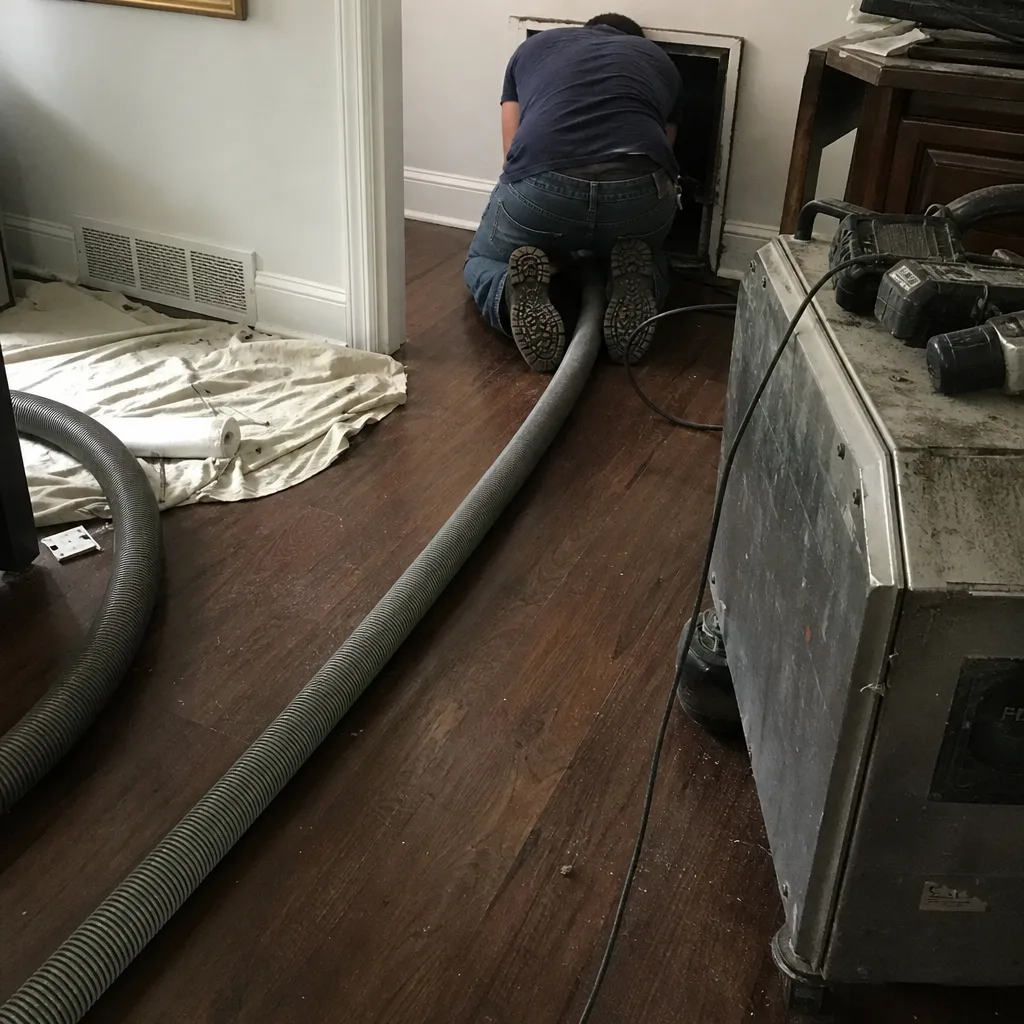
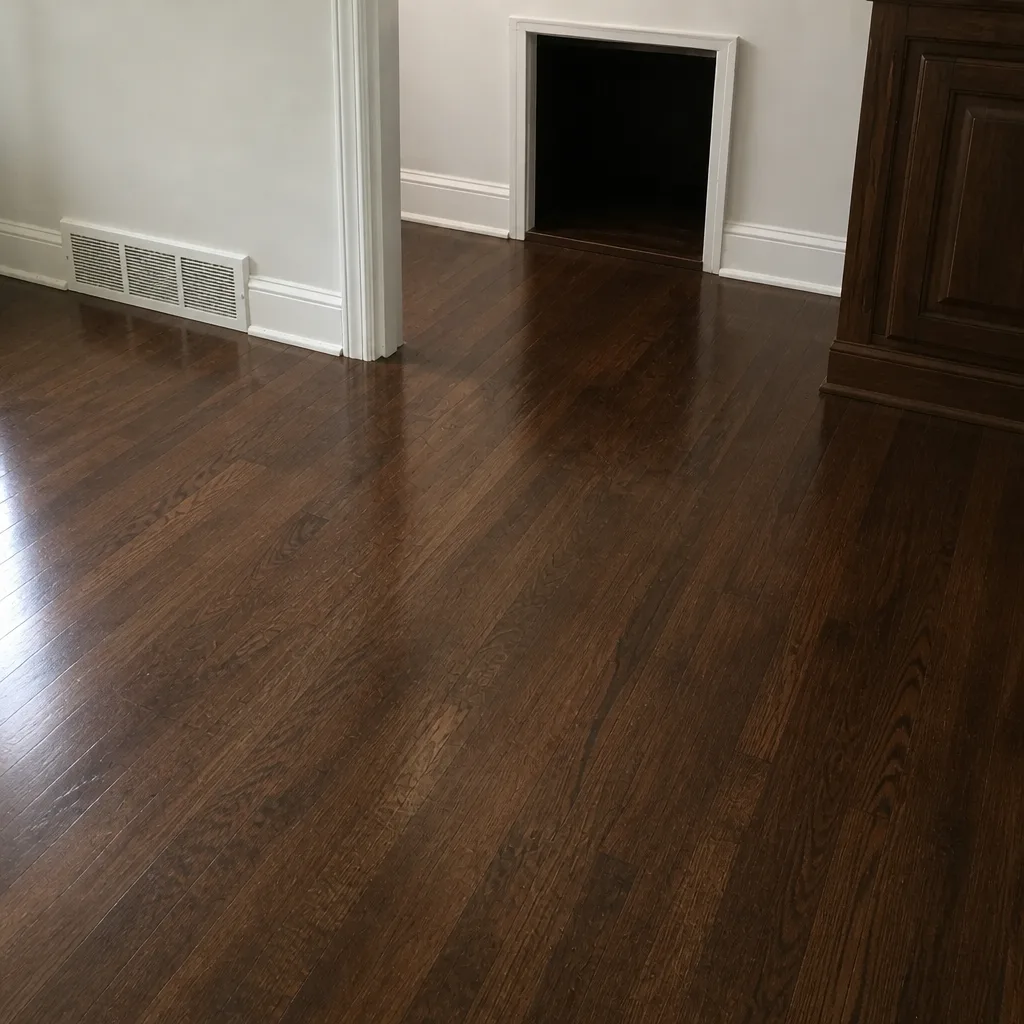
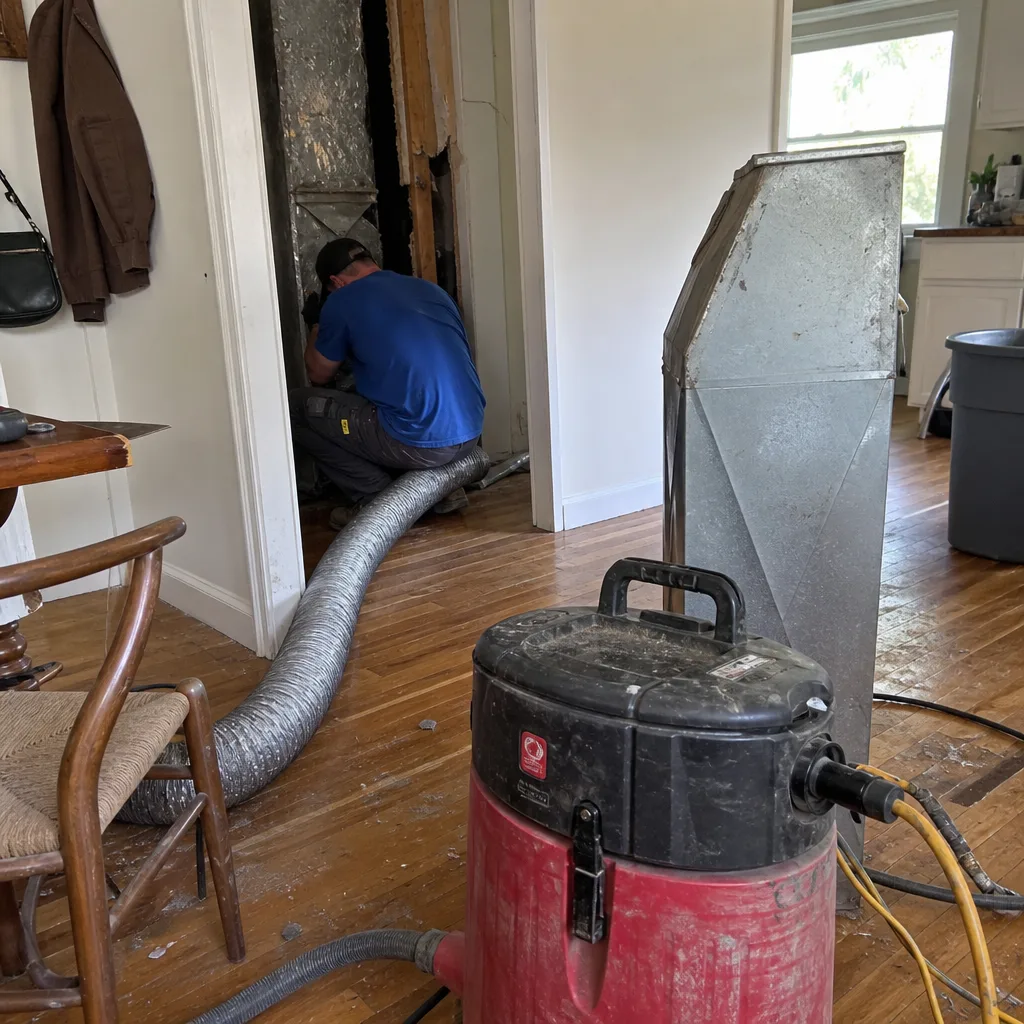
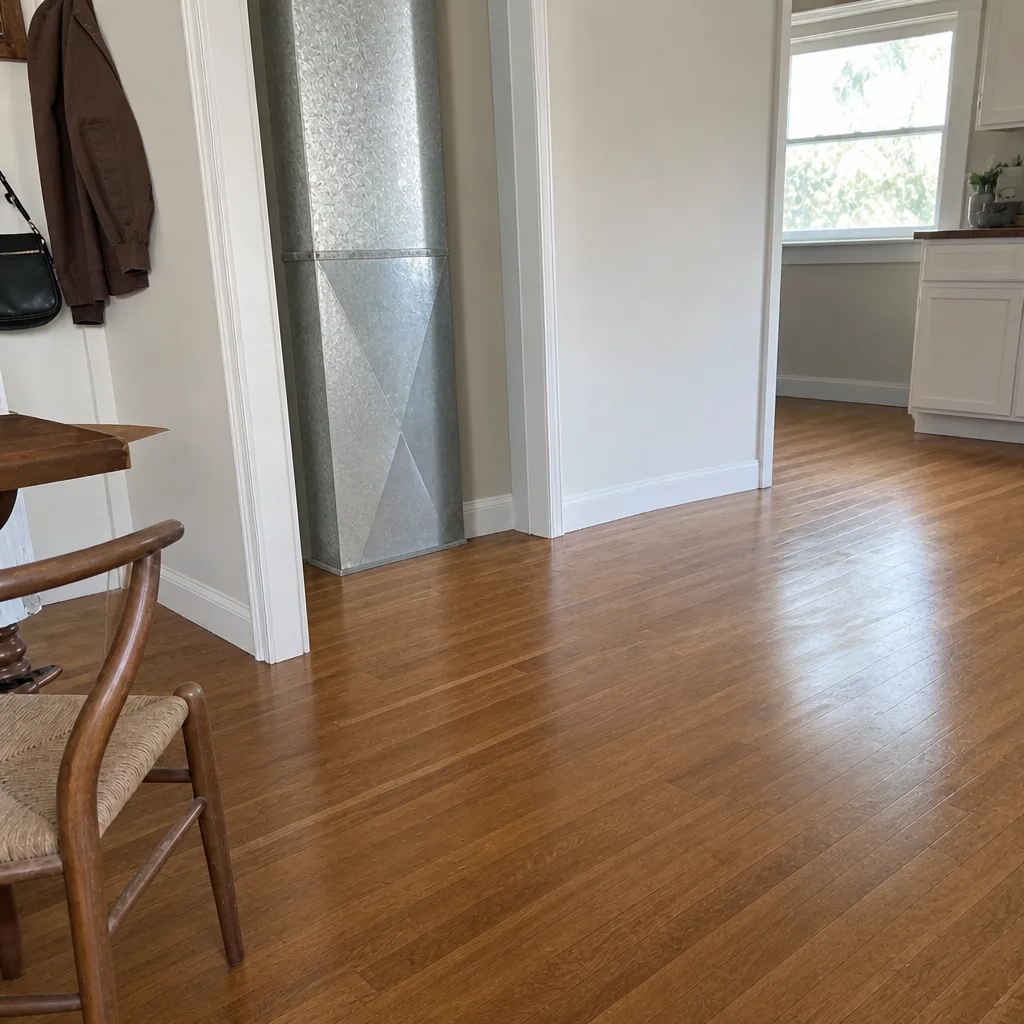
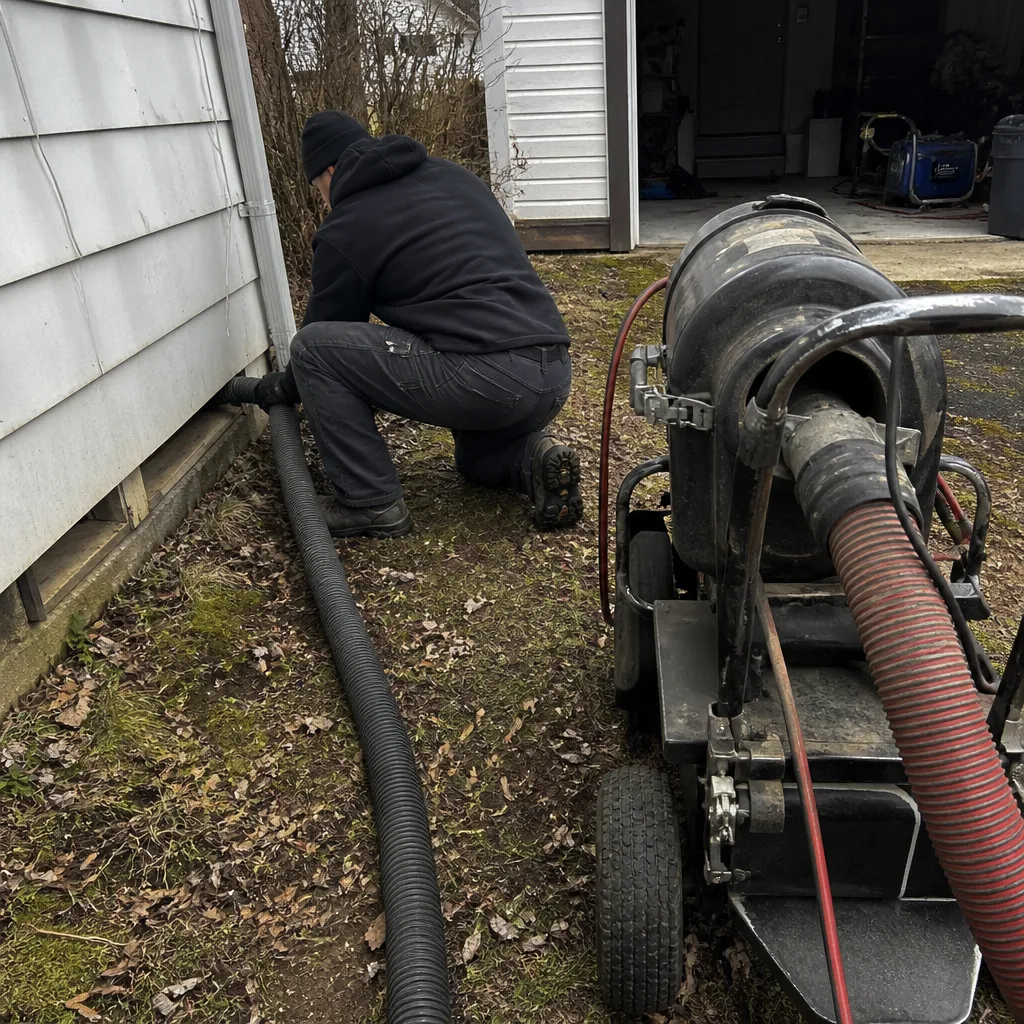
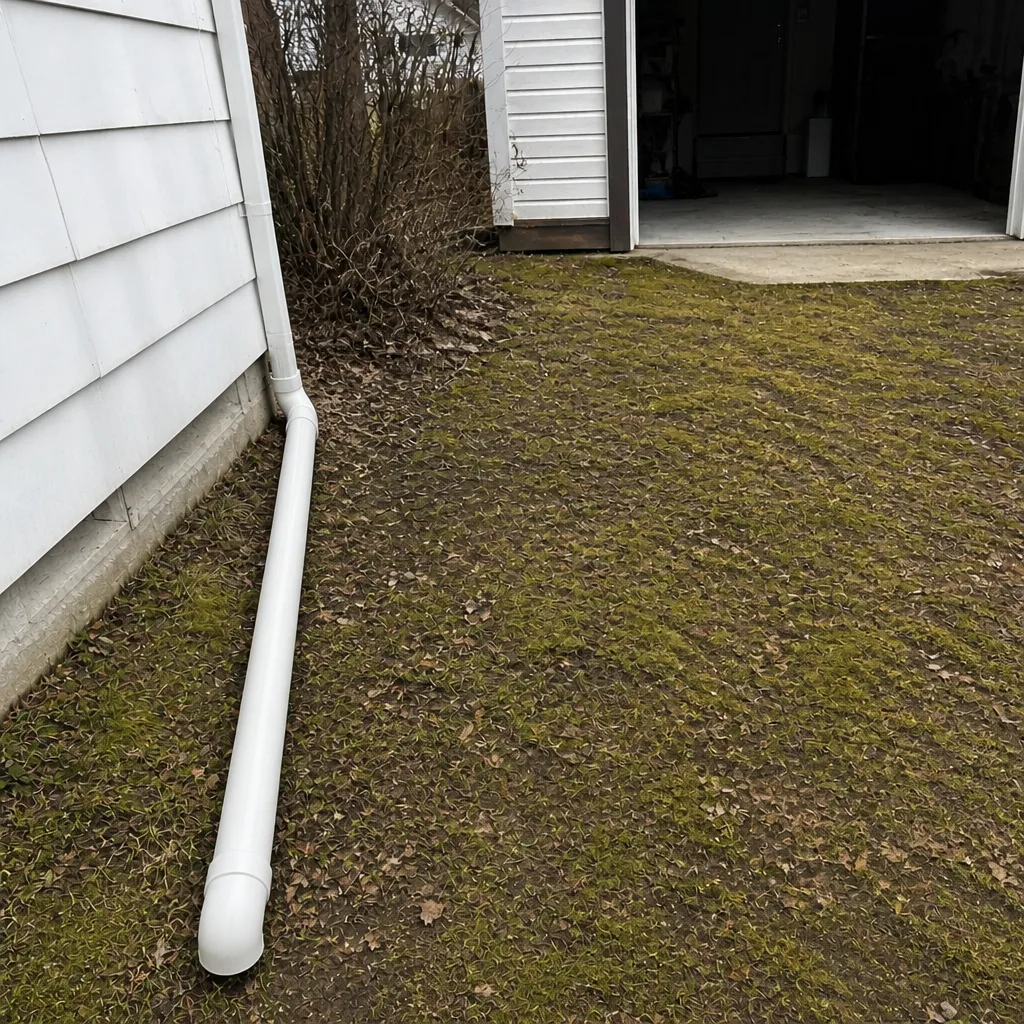
Whole-system duct and dryer vent check with before-and-after photos - you see exactly what came out of your vents
That "$99 whole-house special" is a bait ad - the real number appears once they are in your hallway, or the "clean" is a shop-vac at the register. We photograph the inside of your ducts before and after instead.
Air Duct Cleaning Troubleshooting in NoDa: Common Problems and How to Fix Them
If one room in your NoDa home is always 4 to 6°F warmer than the rest, your thermostat isn’t lying. Your ductwork is telling you something specific about where it’s failing. Most homeowners blame the furnace or the air conditioner first, and that’s usually wrong. In our experience, the symptoms people describe as “our HVAC is acting up” are usually duct problems with mechanical causes you can trace, map, and fix. This guide teaches you to read the symptoms your duct system is already showing you: airflow imbalance, odor type, pressure behavior, and duct condition. You’ll learn which issues a cleaning solves and which ones actually need repair or sealing before anything else.
Quick Answer
Most air duct problems in NoDa trace back to one of four causes: accumulated dust and debris, gaps and leaks in the duct runs, collapsed or disconnected flex duct, or moisture feeding organic growth inside the system. Airflow imbalances, musty odors, and rising energy bills are symptoms of those four causes, not separate problems. The right fix depends on which cause is active, and a cleaning only solves the first one.
Styles & brands we work with
- Whole-home duct cleaning
- Dryer vent cleaning
- Camera inspection
- Sanitizing & deodorizing
Table of Contents
- How do I map airflow imbalances room by room?
- Dirty duct smell vs. mold smell vs. dead animal smell
- Collapsed flex duct vs. a simple blockage
- Negative pressure symptoms and duct leakage
- When cleaning alone won’t solve the problem
- What makes NoDa ductwork different
- Common mistakes to avoid
- When to call a professional
How do I map airflow imbalances room by room?
Start by measuring how much air actually reaches each room, not how much you think it should. A tissue test is the simplest tool you have. Hold a single-ply tissue against each supply register while the system runs, and note how far it deflects and how much it flutters. Do this for every register in the house, and write down the room name beside the result. You’re looking for registers where the tissue barely moves or drops flat.
Once you have the readings, sort them into three groups:
- Strong flow – the tissue flips and holds at an angle
- Weak flow – the tissue flutters but doesn’t lift
- No flow – the tissue hangs limp or falls away
That map is your diagnostic starting point. A single weak register usually means a damper is closed, a branch run is crushed, or a register is blocked. Multiple weak registers clustered on one side of the house points to a trunk line issue or leakage upstream. A register with no flow at all often means a disconnected run in the attic or crawlspace.
The 10-minute version in a NoDa bungalow or loft
Older NoDa bungalows tend to have short, simple duct layouts, which makes mapping fast. Newer lofts and conversions often have longer runs with more transitions, so give each register a full 30 seconds before you move on. Walk the whole house first, then do the tissue pass second so you know what “normal” feels like at the strongest register. Compare every reading against that baseline.
This exercise tells you more about your system than a thermostat reading ever will, and it gives a technician a real map to work from. It’s also the single most useful thing you can hand us before we arrive.
Dirty duct smell vs. mold smell vs. dead animal smell
Odors are diagnostic. They tell you what’s happening inside the system, and each one has a different fix. Treating a mold smell as if it were dust is one of the most common mistakes we see in NoDa homes, and it wastes money because the problem comes back.
Dust and dirty-duct smell
This is a dry, dusty, slightly stale smell that gets stronger when the system first kicks on. It’s the accumulated particulate layer on the duct walls releasing a bit of dust into the airstream. Cleaning with a rotary brush system fixes it. The odor normally settles within a few days of a thorough cleaning.
Mold and mildew smell
This smells damp and earthy, and it tends to be strongest near the evaporator coil, in basement or crawlspace runs, or in any duct that has been exposed to moisture. A mold smell almost always means a moisture source: a condensate leak, poor drainage at the coil, humid crawlspace air pulled into return ducts, or a duct run sealed badly enough that humid air gets in. Cleaning the ducts alone doesn’t fix a mold smell. You fix the moisture source first, then sanitize, then reseal.
Dead animal smell
This one is unmistakable: sharp, sour, and it gets worse over days rather than fading. It usually comes from a return duct or from a run that terminates in an attic or crawlspace where rodents or birds have gotten in. The fix is removal plus cleaning plus sealing the entry point. Cleaning without removing the source doesn’t work, and no amount of sanitizing covers it up for long.
In each case, the technician’s job is to identify which smell you’re dealing with before touching equipment. Ask for that diagnosis up front.
Collapsed flex duct vs. a simple blockage
Weak airflow local to one register is often blamed on dirt, and often it isn’t dirt at all. Flex duct can collapse, disconnect, or sag against a joist, and the resulting restriction looks identical to a blockage from inside the living room. The difference shows up when you look at the duct itself.
Signs of a collapsed or disconnected flex run
- The register pushes almost nothing, but the nearby duct hisses louder than usual
- You can hear a rush of air in a wall, attic, or crawlspace without feeling flow at the register
- The flex duct visibly sags or is pinched where it passes through framing
- A run has separated at a collar or takeoff and is blowing into the attic instead of the room
Signs of a simple blockage
- Flow drops off gradually over weeks, not suddenly
- You can hear debris rattling or moving when the system cycles on and off
- The register grille has visible dust matting
The difference matters because a blockage can often be cleared with a proper cleaning, while a collapsed or disconnected run needs repair and reconnection before cleaning does anything. Our air duct cleaning work in NoDa starts by confirming which one you have, because we don’t want to sell a cleaning that won’t fix a broken duct. If the run is pinched or fully disconnected, repair and sealing comes first, then cleaning.
Negative pressure symptoms and duct leakage
Here’s the one most homeowners miss: duct leakage shows up as a house-pressure problem long before it shows up as dirt. When supply ducts leak into an attic or crawlspace, the house pulls air in from wherever it can. That path can be the garage, the crawlspace, or a gap in a wall assembly. The result is a home under mild negative pressure.
What negative pressure looks like
- An interior door that swings on its own or won’t stay where you put it
- A door that’s harder to open or close when the HVAC is running than when it’s off
- A water heater or fireplace flue that backdrafts, meaning exhaust gases pull back into the room instead of up and out
- A stove hood or bathroom fan that feels weak even though the fan itself is working
- Dust accumulating faster in rooms near the return side than the supply side
Backdrafting on a gas appliance is a serious safety issue. If you notice it, treat it as urgent and have it addressed: a trained professional should check the appliance venting and the duct leakage together, because they interact. Don’t run combustion appliances while backdrafting is happening.
What to do about it
Pressure problems come from leakage, not from dirt, so the fix is sealing. That means sealing duct joints, takeoffs, boots at the drywall penetration, and plenum connections. In our experience, most NoDa homes with an obvious pressure symptom also have visible gaps at boot-to-floor and boot-to-drywall junctions, which are easy to find once you know to look for them.
A cleaning without sealing doesn’t lower the pressure issue. Clean first only if the ducts are also dirty; seal first if the pressure symptom is the primary concern.
When cleaning alone won’t solve the problem
The honest answer to “will cleaning fix this?” is often no. Cleaning removes accumulated debris. It does not repair a crushed run, seal a gap, dry out a wet duct, or remove a moisture source. In our experience, the situations where cleaning is not enough cluster into a handful of categories:
- Mold or mildew smell – the moisture source has to be found and corrected first, then the system is sanitized, then resealed.
- Collapsed or disconnected flex duct – repair and reconnect the run, then clean if there’s residual debris in the system.
- Backdrafting or strong negative pressure – leakage is the cause, and sealing is the fix.
- Persistent airflow imbalance after cleaning – this usually means a closed damper, a pinched run, or a distribution imbalance that needs professional balancing.
- Recurring dust shortly after a cleaning – a leak is pulling dust in, and until it’s sealed, cleaning is a temporary fix.
- Dead animal or pest source – removal plus entry-point sealing plus cleaning, in that order.
This is why the full scope matters. Our work covers cleaning, sanitizing, HVAC cleaning, repair, and sealing under one company, so the diagnosis and the fix happen together instead of getting handed around. You don’t want to pay for a cleaning and then hear, “oh, you also need a sealing contractor.” The whole point is to identify the actual cause before any equipment rolls.
What makes NoDa ductwork different
NoDa has a housing mix that produces a housing mix of duct problems. The older bungalows, mill-era homes, and converted buildings in the neighborhood tend to have original or semi-original duct layouts with short runs, minimal sealing, and attic or crawlspace routing that was worked around rather than designed. Newer builds and loft conversions in NoDa often have longer runs with more transitions and more opportunities for flex duct to sag or pull apart at a takeoff.
Climate adds a wrinkle. NoDa sits in a humid subtropical zone with long, muggy summers and mild winters. In practical terms, that means:
- Air conditioning runs hard for months, so return-side leakage and coil condensation issues show up faster.
- Crawlspace humidity feeds the moisture that drives mold smells inside ducts.
- Shoulder-season shifts between heating and cooling stir up settled dust inside ducts, which is why the “why does it smell worse when the system kicks on?” problem resurfaces twice a year.
- Older homes in NoDa often have attic routing where flex duct has aged and sagged, especially where it was installed without support straps under the joists.
The neighborhood-specific takeaway: don’t assume “dirty ducts” is the whole story. In a lot of NoDa homes, the smell, the airflow, and the pressure issue come down to the same underlying cause: duct leakage that’s been there since the last remodeling. That’s why we bring professional-grade equipment on every job, including Abatement Technologies containment to control dust during service and Nikro units for the deep clean itself, then repair and seal what’s leaking.
Common Mistakes to Avoid
- Buying a cleaning before you know the cause. If you have a mold smell, backdrafting, or a register with no flow, cleaning comes after the underlying problem is fixed. Listen for a company that diagnoses before quoting.
- Treating a dead animal smell like a dust problem. No amount of cleaning or sanitizing neutralizes a source that’s still present in the duct or attic. The source gets removed first, then cleaning, then sealing the entry point.
- Assuming a limp tissue means “the ducts are dirty.” A register with no flow often means a disconnected or collapsed flex run. That’s a repair, not a cleaning.
- Ignoring backdrafting on the water heater or fireplace. This is a combustion safety issue, not a comfort issue. Don’t run the appliance while it’s happening, and get it looked at by a trained professional.
- Using a shop vac or consumer-grade vacuum as a “spot cleaning.” Consumer tools can’t reach duct interiors and tend to push dust into the airstream instead of capturing it. Professional rotary brush systems and HEPA containment do the opposite.
- Skipping dryer vent cleaning because it “still works.” Your dryer vent is a fire risk most homeowners overlook. Lint accumulates on the duct walls regardless of whether the dryer feels like it’s drying normally, and it’s one of the more common fire causes in homes.
- Settling for “cleaned and gone.” A duct system that’s cleaned but not inspected for leaks, sag, and moisture comes back to the same problem within a season. From cleaning to sealing is the difference between a reset and a repeat visit.
When to Call a Professional
Call when the symptom is outside the “dirty ducts” category. A mold or mildew smell, a dead animal smell, a backdrafting appliance, a register with no flow, a door that won’t stay put while the system runs, or a collapsed flex run all deserve a professional diagnosis before anything gets cleaned. Call us if you’ve had a cleaning recently and the problem came back within a season; that pattern almost always points to leakage or a moisture source that was never addressed. Call us if you can’t tell which of the four causes is active in your home, too. Our technicians have up to 8 years of experience and are trained to read the symptom, not just run the equipment.
Air Duct Cleaning NoDa offers free estimates in NoDa. Call (833) 509-5357. We answer 24/7. Fast dispatch from 7am to 7pm, Sunday through Friday.
Your Duct System and Your Dryer Vent Are Two Problems, Not One
Homeowners often bundle “air ducts and dryer vent” in one thought and assume they’re the same kind of maintenance. They aren’t, and the failure modes are different enough that it’s worth knowing both. Duct systems fail gradually: dust layers, small leaks, and one sagged run at a time. Dryer vents fail with a hard stop when lint buildup restricts airflow, and that restriction is what makes the vent a fire risk.
That’s why dryer vent cleaning is a standalone service for us. It’s not a bonus line item to round out a coupon, and it’s not something to skip because the dryer “feels fine.” Lint builds up on the duct walls, especially at elbows and at the termination point, and a vent that used to take one cycle now takes two and then gets a little hotter than it should. That’s the point where a professional cleaning stops being optional.
The same principle applies to the whole indoor air system: looking at it as one connected system is only useful if you then act on the specific components that need attention. Cleaning the ducts but ignoring the dryer vent, or cleaning everything but leaving a duct gap unsealed, leaves the job half-done.
What a Proper Duct Inspection Should Confirm
Before anyone cleans, a professional system walkthrough should answer a short list of questions. You’re not required to have this list memorized, but you can use it to judge whether the person in your home is diagnosing or just selling. A proper inspection should:
- Confirm which sections of the system are accessible and whether the layout includes attic, crawlspace, or wall-chase runs.
- Check for leakage at the plenum, boot-to-drywall joints, and flex connections.
- Look for moisture at the coil and any condensate pan or drain problems.
- Identify any collapsed, pinched, or disconnected flex runs and their location.
- Note whether the return side shows signs of pulling air from a garage, crawlspace, or other unsealed space.
- Note any evidence of pests, animals, or organic growth that changes the order of work.
- Confirm dryer vent routing and lint accumulation separately from the duct system.
That last point is where our use of professional containment shows up. Abatement Technologies containment keeps the working area under control during service so the inspection findings don’t turn into a dust problem in the rest of your house. The same manufacturer’s filtration equipment lets us work cleanly in tight NoDa spaces where an attic access panel or crawlspace hatch is close to living space.
Frequently Asked Questions
A single warm room is usually a duct-level problem, not a thermostat problem. The most likely causes are a closed or partially closed damper in that branch run, a collapsed or pinched flex duct, a disconnected boot, or a leak pulling air out before it reaches the register. A tissue test at each register tells you how bad it is, and a professional inspection confirms which of those causes is active. Call (833) 509-5357 for a free estimate.
Not on its own. A musty smell almost always means moisture is feeding mold or mildew somewhere in the system, most often near the cooling coil, in a crawlspace run, or in a duct sealed badly enough that humid air gets in. The moisture source gets corrected first, then the system is sanitized and resealed. Cleaning without fixing the source usually means the smell returns within a season.
Pressure symptoms point to leakage, and dust buildup points to dirt. If a door in your home swings on its own, is harder to close when the HVAC runs, or your water heater flue backdrafts, that’s a leakage signal, not a cleanliness signal. If dust accumulates on registers and inside visible runs, that’s a dirt signal. In many NoDa homes both are happening at once, and the professional call is to seal the leaks and clean the dirt. Call (833) 509-5357 for an exact quote; estimates are free.
Most homes benefit from a proper duct cleaning every few years rather than a fixed annual schedule, and the right interval depends on pets, recent remodeling, moisture, and how well the system is sealed. Homes with ongoing leakage or a humid crawlspace tend to need attention more often. The honest answer is that a system that’s sealed and dry stays cleaner than one that isn’t. Call (833) 509-5357 for a free estimate and we’ll give you a realistic interval for your home.
Cheap quotes typically reflect one of three things: a consumer-grade vacuum instead of a rotary brush system, a partial pass over only the main trunk, or a per-vent price that only covers surface cleaning. The reason this industry has a bait-and-switch reputation is exactly this pattern: a low teaser, then a much larger invoice once the technician is on site. We work on one flat price per system agreed before work starts, and you see before-and-after photos of your own ducts when we’re done. Call (833) 509-5357 for an exact quote.
You should be able to see evidence: before-and-after photos of your own ducts, an explanation of what was found and what was cleaned, and an honest statement of anything that needed repair or sealing instead. We also use professional containment during the job, so the working area is controlled and your home isn’t left dustier than we found it. If a company can’t tell you what equipment they used and show you what changed, that’s your answer. Call (833) 509-5357 for a free estimate.
See the difference
 Before
 After
 Before
 After
 Before
 After
The Bottom Line
Duct problems announce themselves early if you know what to listen for. A tissue test maps your airflow. The type of smell tells you whether the fix is cleaning, moisture correction, or pest removal. A limp register points to a collapsed or disconnected duct. A door that won’t stay put points to leakage, not dirt. And a musty smell or a backdrafting appliance is a safety signal that deserves a trained professional, not a DIY fix. Once you know which cause is active, the fix is straightforward. The team at Air Duct Cleaning NoDa works the full system, from cleaning to sealing.
Ready to Diagnose Your System?
If you’ve mapped your airflow and you’re still not sure what’s happening, that’s the point to call us. We bring professional-grade equipment to every job, diagnose before we quote, and give you a flat price per system agreed before work starts. You’ll get before-and-after photos of your own ducts and a satisfaction guarantee behind the work. Our technicians have up to 8 years of experience, and we work with trusted air quality product lines including Honeywell and Aprilaire when an upgrade makes sense after the cleaning. NoDa homeowners and property managers can reach us at (833) 509-5357. We answer 24/7, with fast dispatch from 7am to 7pm. Free estimates, one flat price per system, and the whole job handled by Air Duct Cleaning NoDa.
Written by the team at Air Duct Cleaning NoDa.