
Last updated November 23, 2026
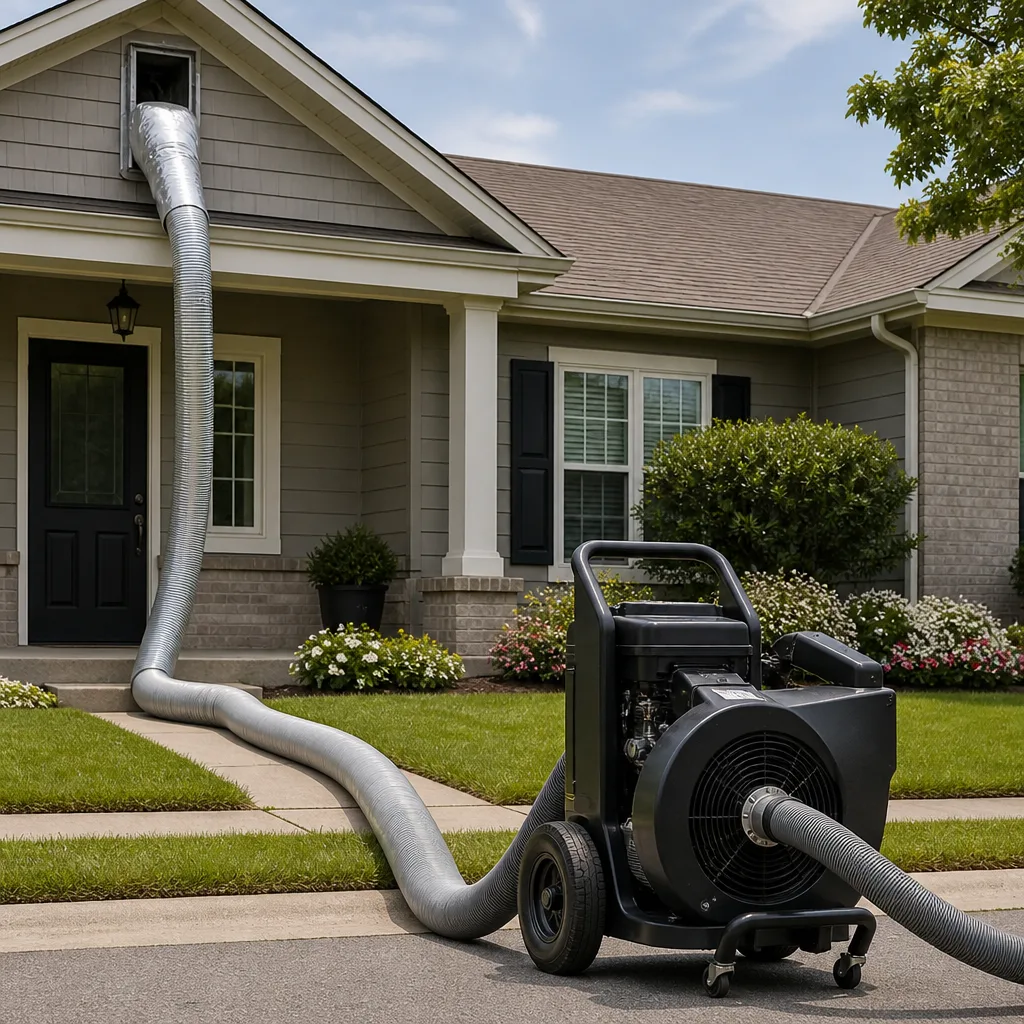 Whole-home duct cleaning
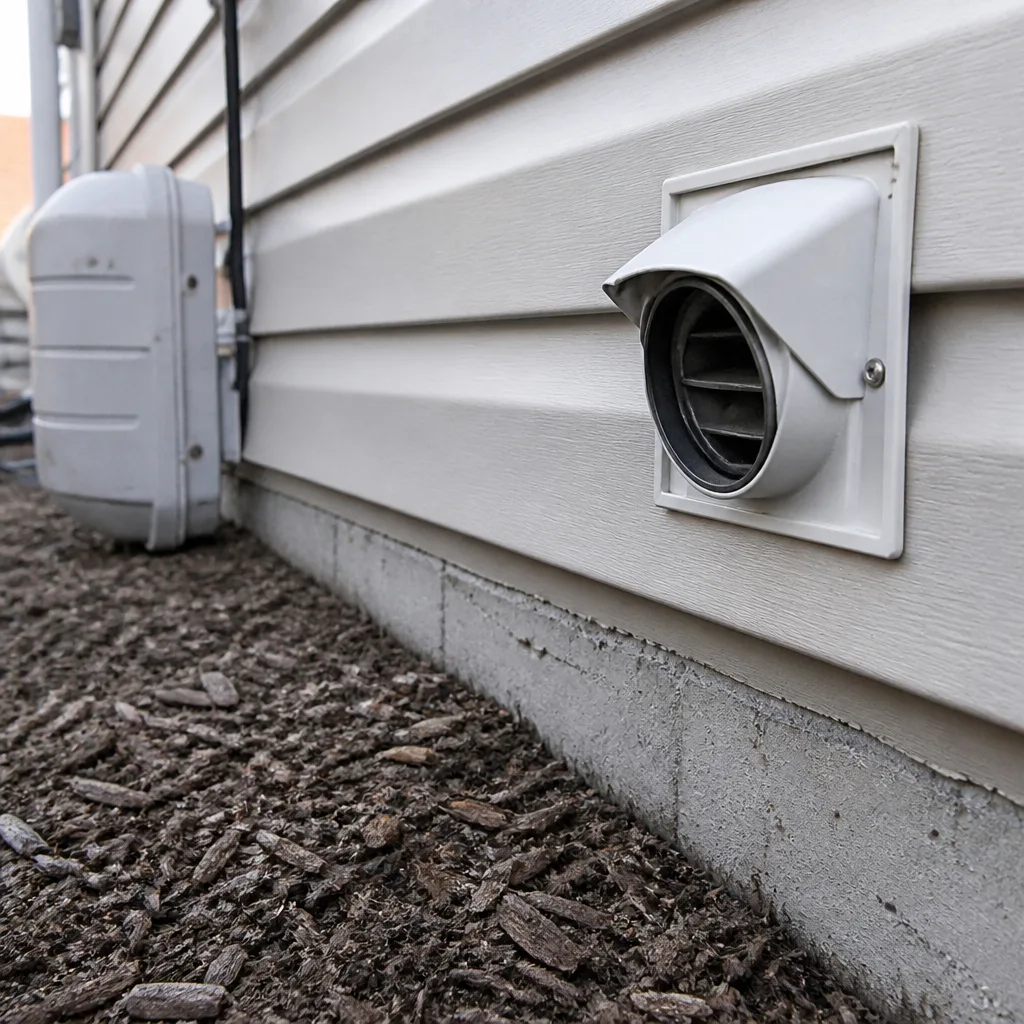 Dryer vent cleaning
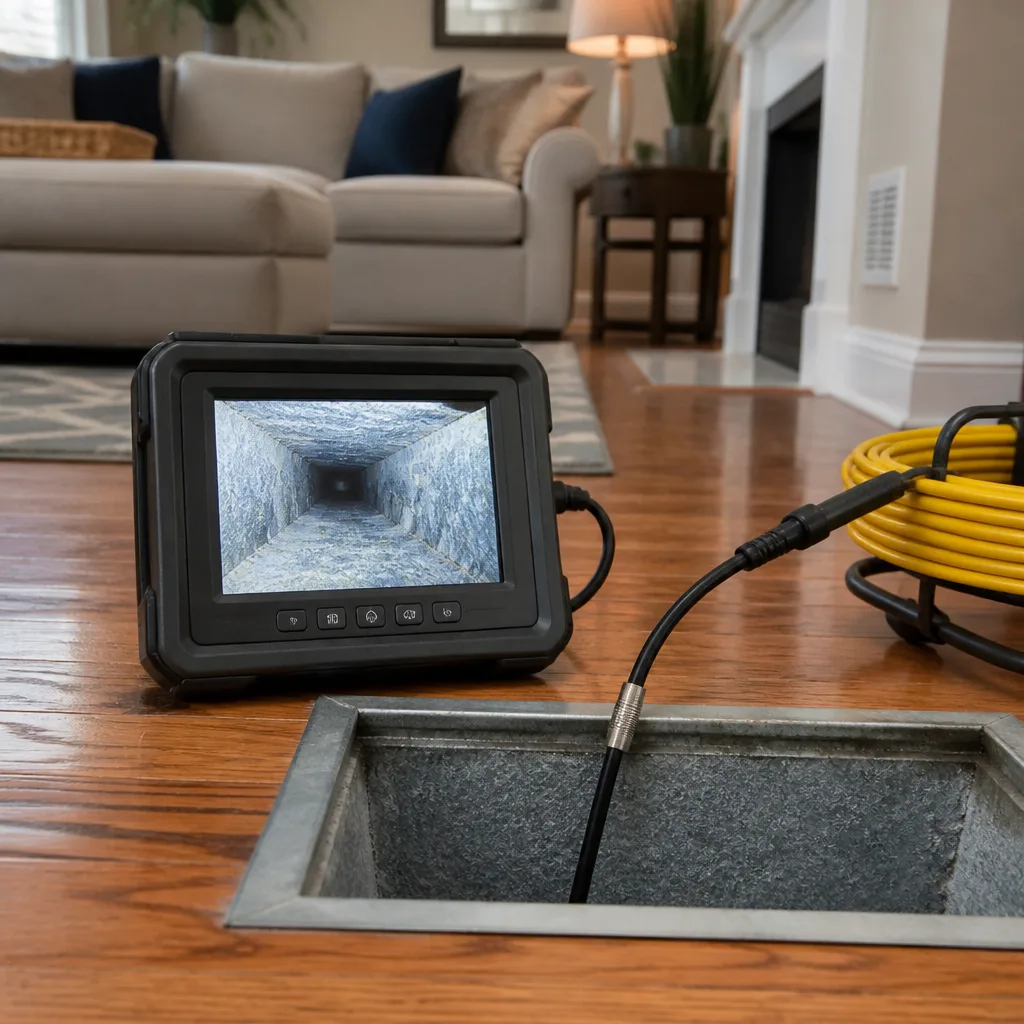 Camera inspection
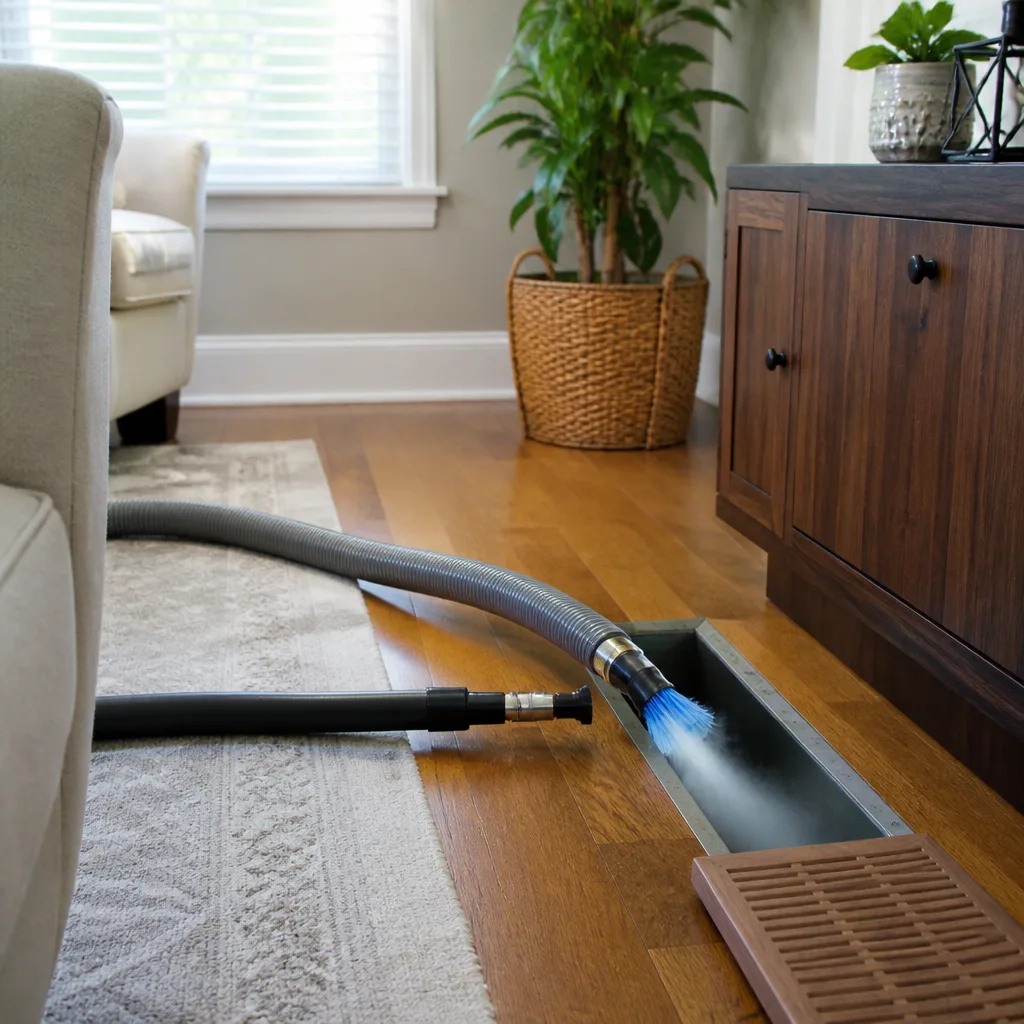 Sanitizing & deodorizing
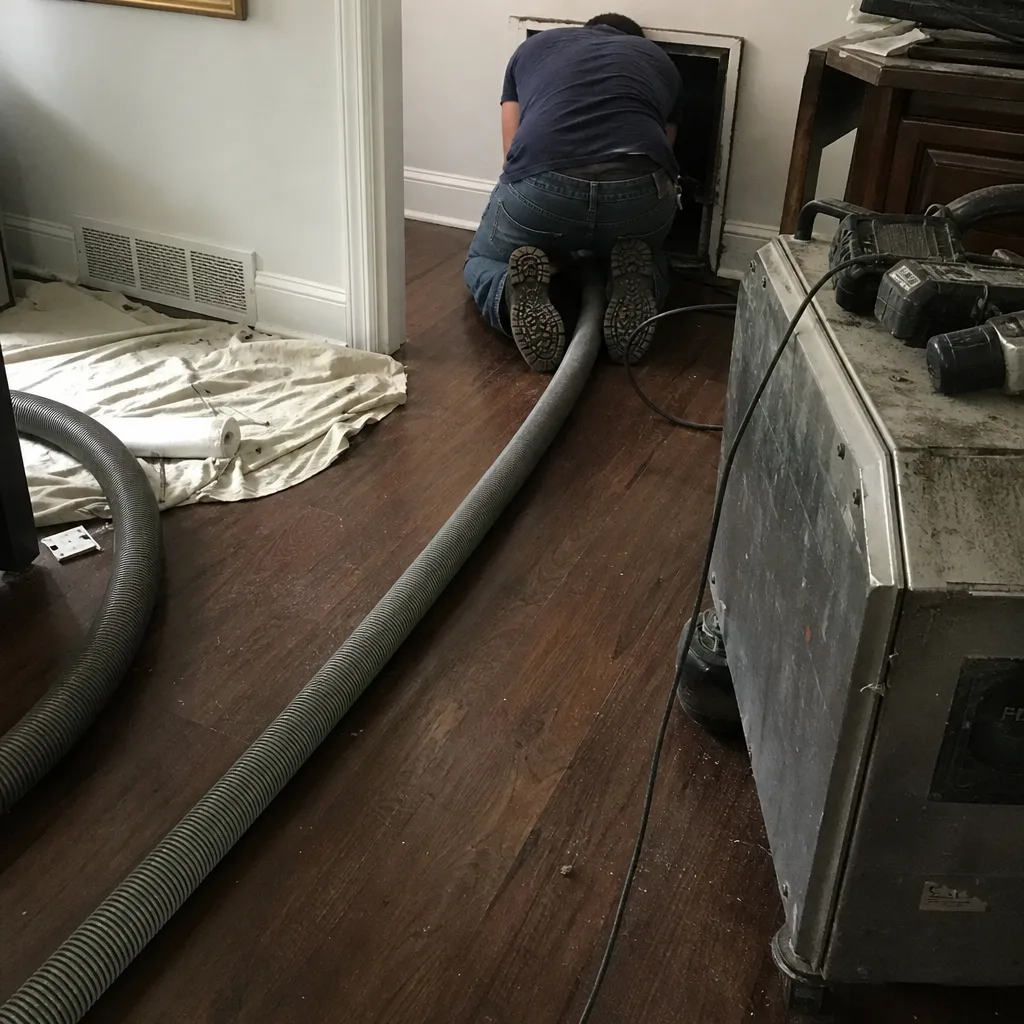
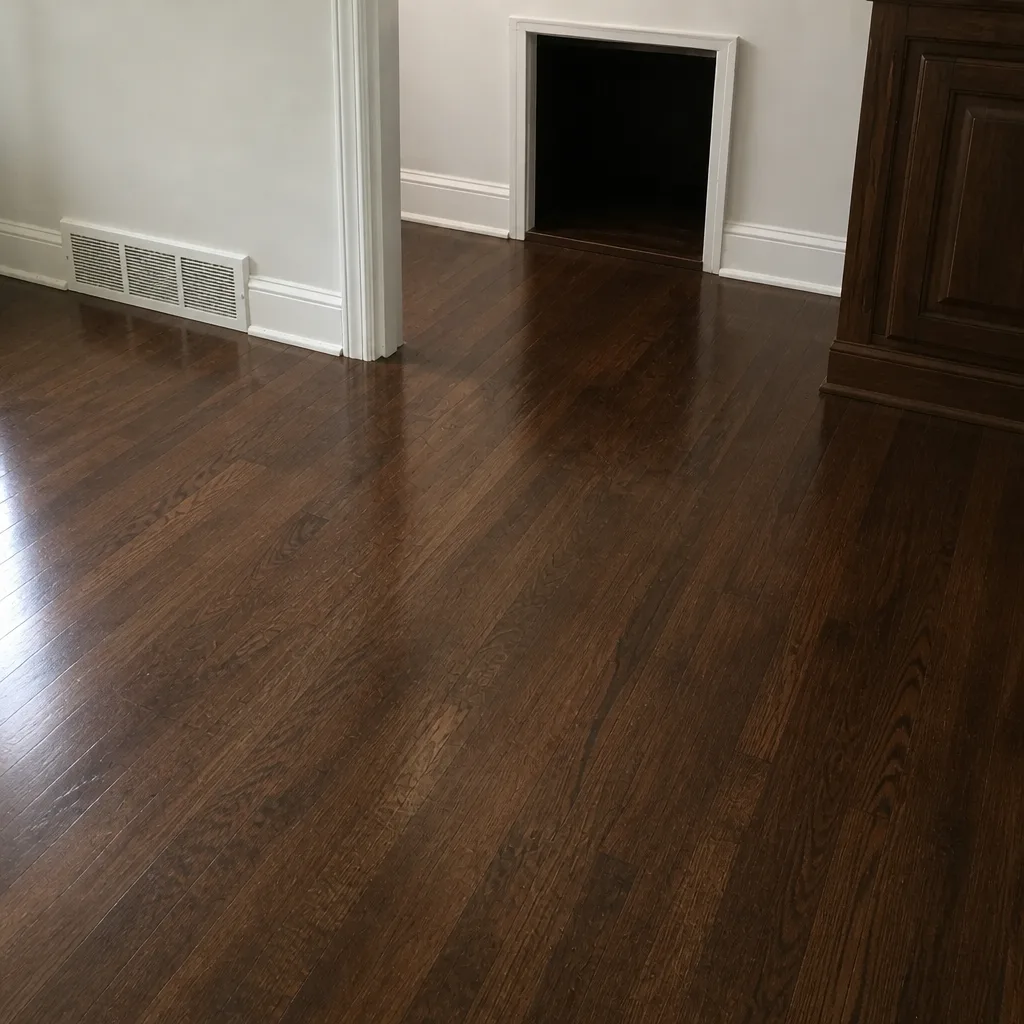
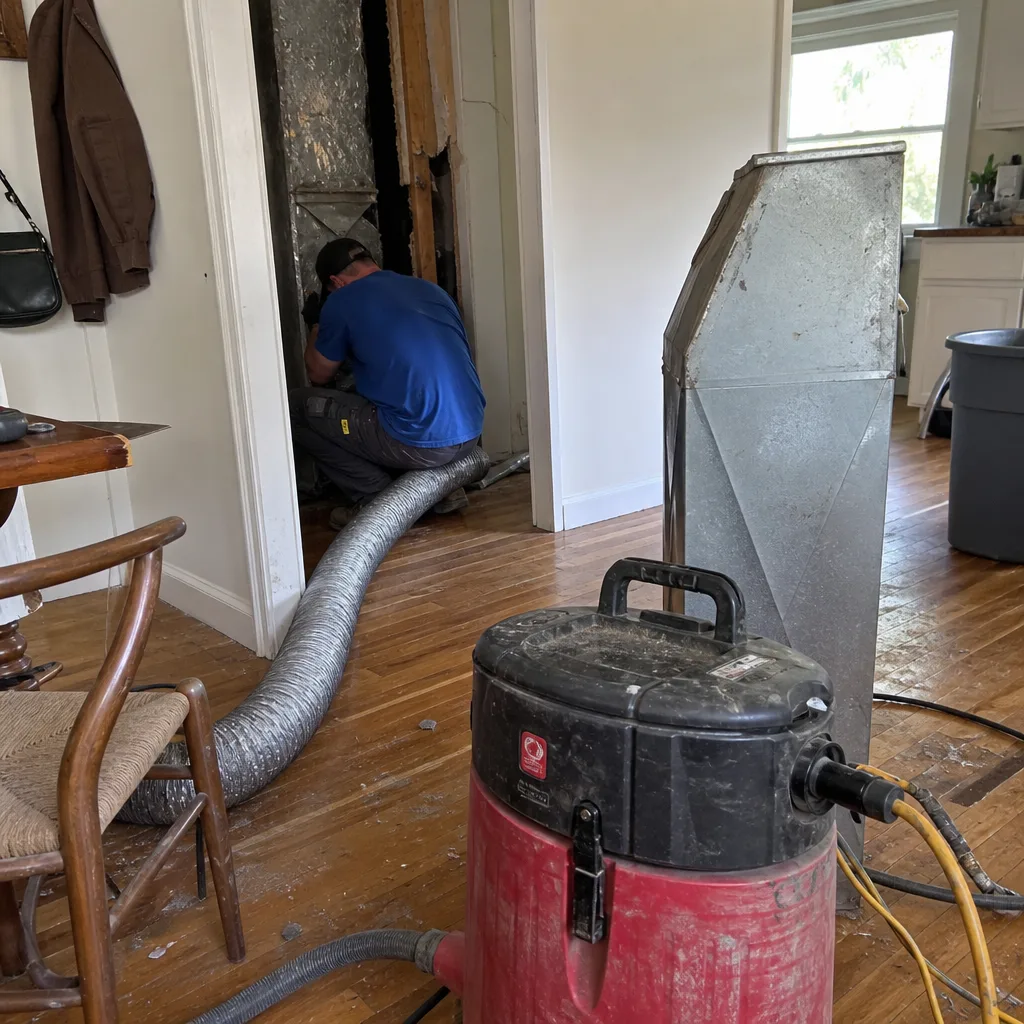
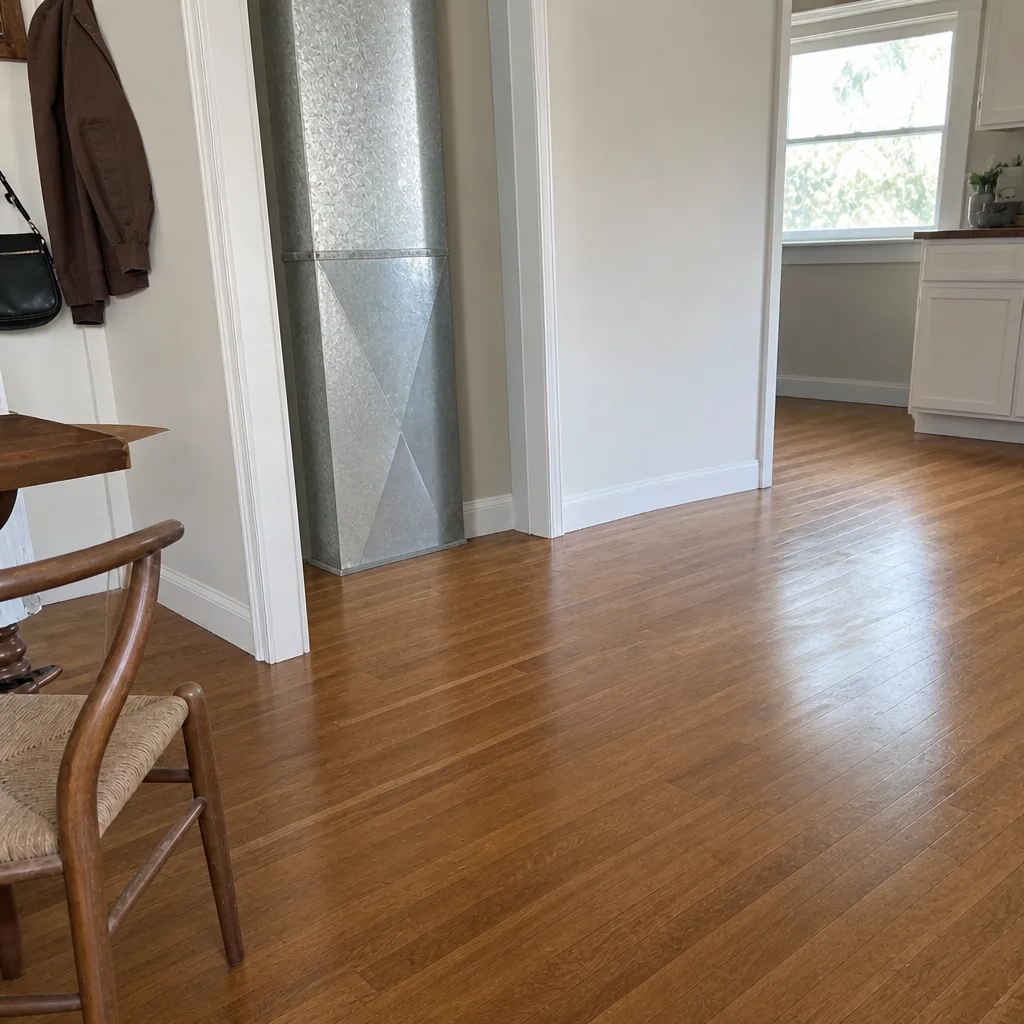
Whole-system duct and dryer vent check with before-and-after photos - you see exactly what came out of your vents
That "$99 whole-house special" is a bait ad - the real number appears once they are in your hallway, or the "clean" is a shop-vac at the register. We photograph the inside of your ducts before and after instead.
Air Duct Cleaning Permits, Codes & Inspections in NoDa, NC: What You Need to Know
Most homeowners assume duct cleaning is a permit-free errand, like having the carpets done. That’s true for the cleaning itself. But the moment a contractor cuts out a damaged duct section, seals a plenum, or sprays an antimicrobial coating inside your air handler, the job can cross into work North Carolina regulates. In older NoDa homes, where original ductwork and later retrofits sit side by side behind the drywall, that line gets crossed more often than people expect. This guide lays out where cleaning ends and regulated mechanical work begins, when Mecklenburg County wants a permit, what EPA and NC DENR require of applied products, how the historic district shapes interior work, and what to get in writing before anyone touches your system.
Quick Answer
Plain air duct cleaning in NoDa does not require a permit, but duct replacement, plenum sealing that alters the mechanical system, and certain antimicrobial applications can require a licensed HVAC contractor and, in some cases, a Mecklenburg County mechanical permit. Before work begins, ask your contractor to put in writing whether any repair or coating bundled into the job is licensed HVAC work and who holds that license. For a no-obligation look at your system, call (833) 509-5357.
Styles & brands we work with
- Whole-home duct cleaning
- Dryer vent cleaning
- Camera inspection
- Sanitizing & deodorizing
Table of Contents
- What North Carolina G.S. Chapter 87, Article 2 Covers
- When Duct Sealing or Replacement Triggers a Mecklenburg County Permit
- EPA and NC DENR Rules for Products Applied Inside Ducts
- How NoDa’s Historic District Affects Interior Mechanical Work
- What to Request in Writing From Your Contractor
- What an Inspection Actually Looks Like After the Job
- Safety Issues That Aren’t Code Issues (But Matter More)
- How to Tell Licensed Repair Work From a Cleaning Add-On
What North Carolina G.S. Chapter 87, Article 2 Covers
North Carolina G.S. Chapter 87, Article 2 governs the licensing of heating, plumbing, and air conditioning contractors in the state. The practical answer for NoDa homeowners is this: routine cleaning with a vacuum and rotary brush sits outside the licensing threshold, but anything that modifies the mechanical system, replaces components, or installs or connects equipment inside that regulated scope is work the statute expects a licensed HVAC contractor to perform.
Where does cleaning sit relative to that threshold? Cleaning removes accumulated dust and debris from the interior surfaces of ducts, registers, and the air handler. You’re not altering the system’s design, its capacity, or its connections. That’s why a cleaning visit by itself doesn’t require a license to pull a permit. Repair is different. Cutting out a crushed flex run and installing a new one, rebuilding a rusted plenum, or reconnecting a duct to a trunk line involves the mechanical system itself, and that’s the sort of work the statute is built to cover.
The distinction matters in NoDa for a simple reason. Many homes here were built decades ago and have ductwork that’s been patched, extended, and rerouted as additions and renovations happened. A cleaning contractor who finds a collapsed section behind a closet wall is now facing a repair, not a cleaning. That’s the moment the compliance question becomes real.
What the statute does not do is regulate every brush stroke. Cleaning, sanitizing, and inspection are not the same category of work as installing a new duct run or replacing an air handler. If you’re scheduling a straightforward air duct cleaning, you should not expect to be told a permit is required. If the scope grows into repair, ask who is licensed to do it.
When Duct Sealing or Replacement Triggers a Mecklenburg County Permit
Mecklenburg County issues mechanical permits for work on HVAC systems that involves installation, alteration, or replacement of components. In practice, the county’s building department is the authority to call when you’re unsure whether a specific scope needs a permit, and the answer can depend on how the work is described. Here’s how the line typically falls.
Usually no permit:
- Cleaning the interior of existing ducts, registers, and the air handler
- Sealing small gaps at accessible joints with mastic or approved tape where no component is removed
- Applying an EPA-registered antimicrobial to interior surfaces as part of a cleaning (with the registration rules below in mind)
- Replacing a flexible duct run that’s fully accessible and connects to existing outlets without changing the system’s layout
Usually permit territory, and licensed work:
- Removing and replacing a section of rigid trunk line
- Rebuilding or replacing a plenum or an air handler connection
- Adding, removing, or relocating supply or return outlets
- Any repair that changes the system’s design or airflow balance
A NoDa-specific wrinkle: the housing stock here includes a lot of homes where later renovations moved walls and mechanical chases without updating the duct layout. A contractor who finds ductwork that no longer connects sensibly to its registers might recommend rebalancing or reconfiguring. That’s a system change, not a cleaning, and it belongs in a written scope that names who does the work and whether the county wants a permit.
Call Mecklenburg County’s building department directly if you want a definitive answer before authorizing any repair. It costs nothing to ask.
EPA and NC DENR Rules for Products Applied Inside Ducts
Any antimicrobial, sanitizer, or coating sprayed inside an air handling system has to clear two federal-level hurdles before it’s legal to use. First, the product must be registered with the U.S. Environmental Protection Agency under FIFRA (the Federal Insecticide, Fungicide, and Rodenticide Act). Second, its label must explicitly list use inside HVAC systems and air handling systems as an approved application. A product registered for bathrooms or hard surfaces is not the same as one cleared for ductwork.
Here’s what that means when you’re hiring:
- Ask for the product name and its EPA registration number.
- Ask whether the label lists HVAC or air handling system use as a permitted application.
- Confirm the applicator follows the label’s dilution, dwell time, and ventilation instructions.
- Ask whether the product requires any post-application air movers or cleanup steps.
North Carolina adds a layer through the NC Department of Environmental Quality and its Division of Environmental Assistance, which enforces state rules on pesticide and antimicrobial products distributed and used in commerce. The state rules work alongside the federal ones; neither replaces the other. If a contractor can’t give you a label or a registration number, that’s your answer.
We keep the antimicrobial question simple: if the label doesn’t name air handling systems, we don’t spray it into a duct. That’s not a marketing position, it’s the legal boundary. The same discipline applies when we bring Abatement Technologies containment equipment on site to hold down airborne particulate during the job. In our experience, a homeowner who has seen the label has nothing further to ask.
How NoDa’s Historic District Affects Interior Mechanical Work
NoDa includes properties inside locally designated historic districts and individual historic landmarks, and that designation can reach interior work in ways that catch homeowners off guard. The North Carolina State Historic Preservation Office and the City of Charlotte’s historic district review process are the bodies that matter here, not just the county.
Exterior changes are the obvious ones. But interior changes that affect character-defining features – a chimney chase, a mechanical closet, original woodwork around a register, a masonry wall penetrated for new ductwork – can require a certificate of appropriateness before work begins. Duct replacement that runs through an existing chase is one thing. Cutting a new opening through a historic wall to reroute a trunk line is another.
What that looks like in practice for a NoDa home:
- Cleaning inside existing ducts generally does not touch any character-defining feature and does not trigger historic review.
- Sealing at accessible joints typically does not either.
- Rerouting, adding outlets through historic walls, or replacing visible ductwork in a character-defining space can require review before the work is authorized.
If you’re unsure whether your home falls inside a locally designated district, the City of Charlotte’s planning department can confirm. It’s worth a phone call before you sign an estimate that includes new duct runs. The historic review timeline can run longer than a cleaning job, and if it’s needed it should be on the calendar at the start, not discovered halfway through.
What to Request in Writing From Your Contractor
You don’t need a legal education to protect yourself here. You need a written scope that separates cleaning from repair, names who’s licensed for what, and tells you which products get applied. Here’s the request list we’d hand a homeowner:
- A written scope of work. Separate the cleaning from any repair or sealing work into distinct line items with distinct descriptions.
- The name and license status of the company performing any mechanical repair. Ask for the NC HVAC contractor license number if the job includes system alteration or replacement.
- The permit status. State in writing whether a permit will be pulled, who pulls it, and which permit for which item.
- Product documentation. Name the antimicrobial or coating, provide its EPA registration number, and confirm the label lists HVAC or air handling system use.
- Before and after photos or video of your own system. Photos of your ducts, not stock footage.
- A single flat price per system agreed before the work starts, and a description of what happens if the crew finds a repair mid-job and how that gets estimated and authorized separately.
That last one matters. In our experience, the largest source of complaint in this trade isn’t bad cleaning – it’s a repair that appears without warning and gets billed at whatever number the technician names. A written scope turns that into a conversation you can have before anyone is on your property. For a full-system cleaning, we bring Rotobrush rotary brushes and Nikro HVAC equipment, because those are the tools the job actually requires, but the paperwork is what protects you.
For a scope review or a no-obligation estimate, call (833) 509-5357.
What an Inspection Actually Looks Like After the Job
NoDa does not currently run a separate municipal inspection program for residential duct cleaning itself. What gets inspected, when anything does, is the mechanical work: the repair, the replacement, the system change. That inspection is performed by the permitting authority – Mecklenburg County in most of NoDa – and the contractor who pulled the permit is responsible for requesting it.
For the cleaning itself, the verification is on you and your contractor. Here’s how a defensible post-job review works:
- Photos of the inside of your own ducts, before and after. A picture of the air handler interior and a representative supply run is a reasonable minimum.
- Visual check at the registers. After the job, registers should show no loose dust drift back into the room within the first day.
- A written job summary listing what was cleaned, what was sanitized, and what product was used, with the registration number.
- Confirmation of the permit closeout if any mechanical work was performed under permit.
If a company can’t produce before-and-after documentation of your own system, that’s the question to press. Stock photos and a generic “yeah, we cleaned it” are not a record. Neither is a video from a different house.
We also inspect the dryer vent as a separate matter on every job that involves it. If you haven’t looked at yours, dryer vent cleaning is the piece most NoDa homeowners skip, and it’s the one with the clearest safety case behind it.
Safety Issues That Aren’t Code Issues (But Matter More)
Some of what matters most in a NoDa duct system isn’t regulated at all. It’s dangerous anyway. We’re flagging the three big ones so you know what to watch for.
The air handler and electrical connections. The air handler contains live electrical components and often a circuit board with capacitors that hold a charge after the breaker is off. Opening the unit for cleaning or inspection is work for someone trained on it. Don’t remove panels or disconnect wiring yourself.
Gas-fired furnace components. If the air handler includes a gas furnace, the heat exchanger and gas line sit inside the same cabinet. A cleaning that disturbs a gas connection is a serious problem. Any work involving gas piping belongs to a licensed professional, and if you smell gas at any point, stop and call your gas utility first.
Loose debris in the plenum near the air handler. Return plenum surfaces can accumulate dust and lint over years, and a combination of loose debris and heat is a real risk. Professionals clear this during a proper cleaning; homeowners shouldn’t reach into the plenum to do it by hand.
None of these are code issues. All of them are reasons to keep the work in trained hands. A thorough cleaning with real containment – Abatement Technologies air filtration equipment keeps particulate out of the room while the work happens – is safer than a quick pass with a shop vac and good intentions.
How to Tell Licensed Repair Work From a Cleaning Add-On
The gap we’ve seen over and over is the repair that gets quietly folded into a cleaning estimate, performed by whoever is on site, and never described as mechanical work. Here’s how to spot the difference before you sign.
- Does the estimate separate cleaning and repair line items? If everything is one undifferentiated price, ask for a breakdown before you authorize.
- Is the repair language specific? “Replace crushed 6-inch flex run at closet chase” is a repair. “Misc duct repair” is a placeholder.
- Is the license named? Whichever company performs the repair should be able to state its NC HVAC contractor license status.
- Is the permit named? If the scope includes any of the permit-territory items above, the estimate should say who pulls the permit and for what.
- Is the antimicrobial labeled? Product name, EPA registration number, and HVAC label listing – all three, in writing.
- Are there photos of your own ducts? Before and after, from your system, not from a marketing folder.
We can’t speak for other companies. We can speak for how we handle it: a flat price per system, agreed before the work starts, and if the crew finds a repair mid-job, you get a written description, a separate price, and the option to say no. The cleaning finishes either way. A full HVAC cleaning that touches the air handler follows the same discipline – the licensed boundaries are respected, and the label on any applied product matches the application.
Common Mistakes to Avoid
- Assuming the cleaning is the whole scope. Homeowners often sign a cleaning estimate without realizing the contractor intends to include a duct repair as part of the job. Read the scope and check whether repair language is hidden inside a single line item.
- Not asking who’s licensed for the repair. If the job includes cutting out a duct run or rebuilding a plenum, the NC HVAC contractor license status matters. In NoDa, where retrofits are common, this comes up regularly.
- Accepting a sanitizing spray without asking for the label. A product without an EPA registration number and a label that lists HVAC use isn’t legal for application inside your ducts, regardless of what the technician says.
- Forgetting the historic review when a new duct run is involved. Cutting a new opening through a character-defining wall in a NoDa historic property can require a certificate of appropriateness before work starts. Confirm status before authorizing anything.
- Skipping the permit question on a system change. Mecklenburg County wants a mechanical permit for most component replacement and system alteration. Ask who pulls it.
- Taking a stock photo as before-and-after proof. If the photos aren’t of your own ducts, they aren’t proof of your own job.
- Letting one company “handle it all” without asking which company actually does the mechanical part. Bundled service is convenient, but the license and permit questions still have names and answers attached.
See the difference
 Before
 After
 Before
 After
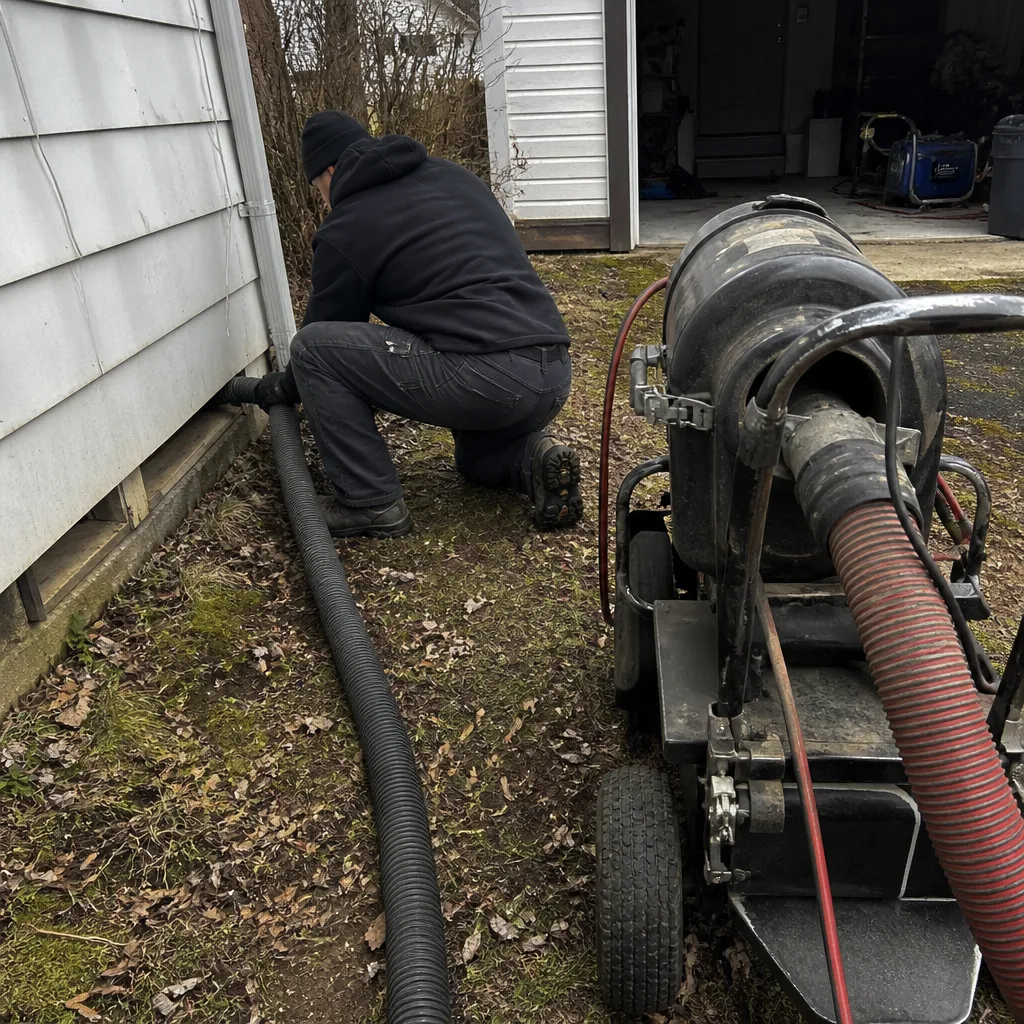 Before
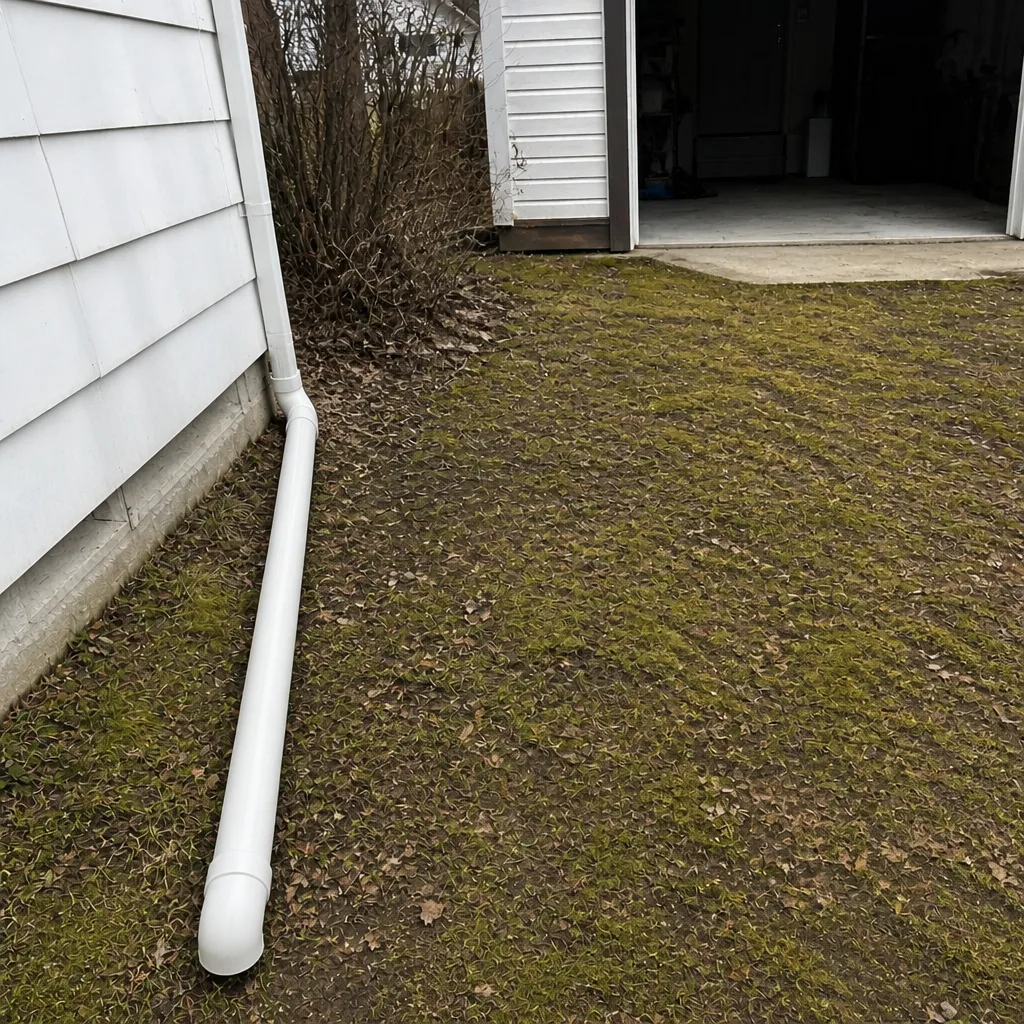 After
When to Call a Professional
Some jobs belong in the hands of someone who’s licensed, permitted, and equipped for what they’re actually doing. If you’re seeing dust blowing back out of registers shortly after a cleaning, that’s usually a sign the system has a duct integrity problem, not a cleaning problem. If you smell musty odor after a rainy stretch, moisture may have entered the air handler or a duct run, and that’s worth a proper inspection. If the system has a crushed flex run, a sagging duct, or debris visible at the return plenum, the repair scope likely belongs to a licensed HVAC contractor. And if you’re planning to add a room, move a wall, or make any change that reroutes the system, that conversation should happen before the estimate, not after. Air Duct Cleaning NoDa offers free estimates in NoDa – call (833) 509-5357. We answer 24/7. Fast dispatch from 7am to 7pm, Sunday through Friday.
Frequently Asked Questions
No. Cleaning the interior of existing ducts with a vacuum and rotary brush does not require a mechanical permit from Mecklenburg County, and no permit is needed for the cleaning visit itself. If the scope shifts into duct replacement, plenum repair, or system alteration, that’s where the permit question enters. Call (833) 509-5357 for an exact quote – estimates are free.
No, the state doesn’t license cleaning as HVAC work under G.S. Chapter 87, Article 2. The statute covers HVAC contracting, which is the repair, installation, and alteration side of the work. Cleaning is separate from that scope. If a contractor proposes to cut out a duct run or replace a component while they’re cleaning, ask who’s licensed to perform that repair work.
Only if the product is registered with the EPA and its label specifically lists HVAC or air handling system use as a permitted application. The registration number and the label should be provided before the application. NC DENR and DEQ rules enforce the state side of that same requirement.
Yes, in some cases. Duct replacement or rerouting that cuts through a character-defining interior feature – a masonry wall, an original chase, woodwork around a register – can require a certificate of appropriateness through the City of Charlotte’s historic district review process. Cleaning existing ducts generally does not. Confirm your property’s status before authorizing any new penetrations.
That’s a repair, and the repair belongs in a written scope with a separate price and a named licensed company before you authorize it. A good estimate separates cleaning from repair and gives you the option to approve or decline the repair without affecting the cleaning. Call (833) 509-5357 for an exact quote – estimates are free.
Pricing depends on the number of systems, the size of the ductwork, and whether any repair is bundled in. We quote a flat price per system after reviewing the job, and we don’t start work until you’ve agreed to the written number. There’s no per-vent pricing and no coupon figure that changes on site. Call (833) 509-5357 for an exact quote – estimates are free.
The Bottom Line
Air duct cleaning in NoDa is not a permit job in itself. The regulated territory sits at the edges: duct replacement, plenum repair, system alteration through Mecklenburg County’s mechanical permit process, EPA and NC DENR registration for any antimicrobial applied inside the air handler, and historic district review when interior work touches a character-defining feature. Before you authorize any work, ask for the written scope, the licensed company behind any repair, the permit status, and the product label. And always ask for before-and-after photos of your own ducts. That’s how a cleaning stays a cleaning, and a repair gets done by someone licensed to do it.
Written by the team at Air Duct Cleaning NoDa.