
Last updated November 23, 2026
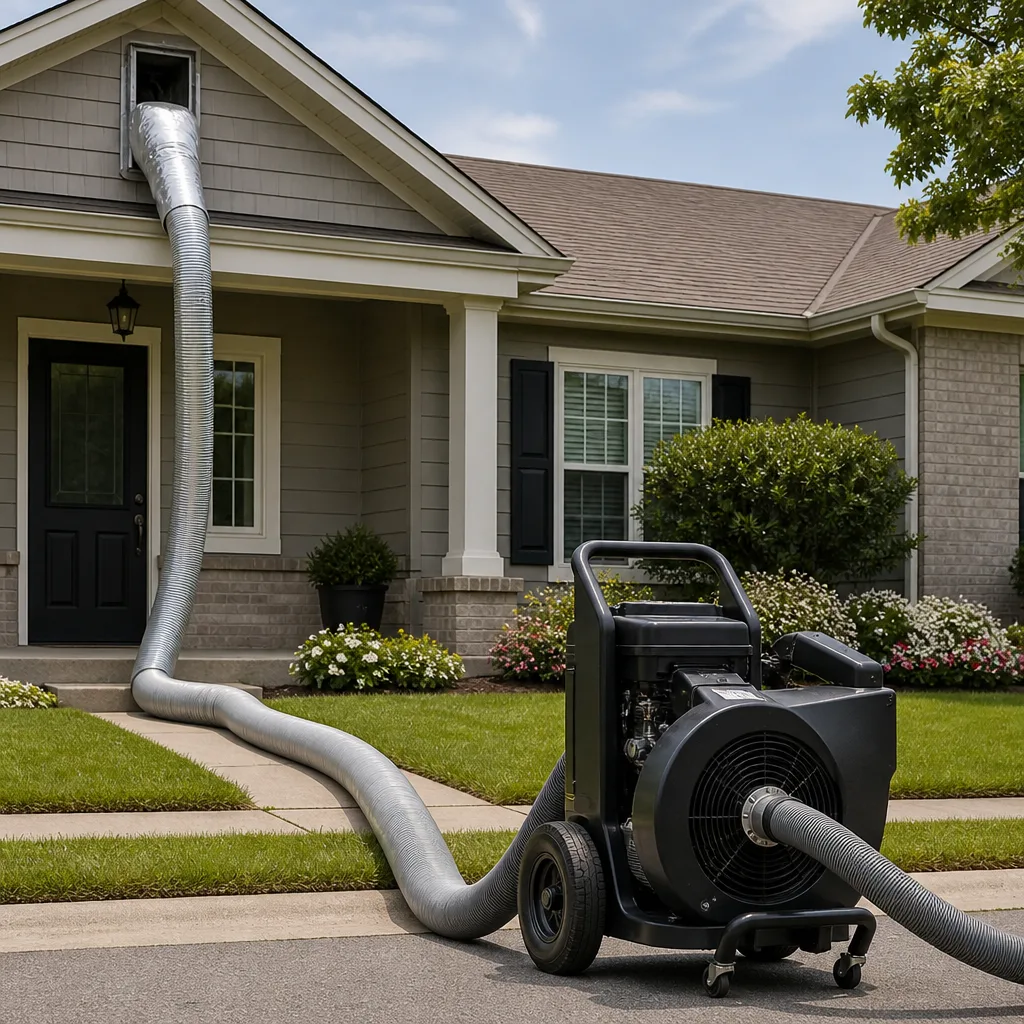 Whole-home duct cleaning
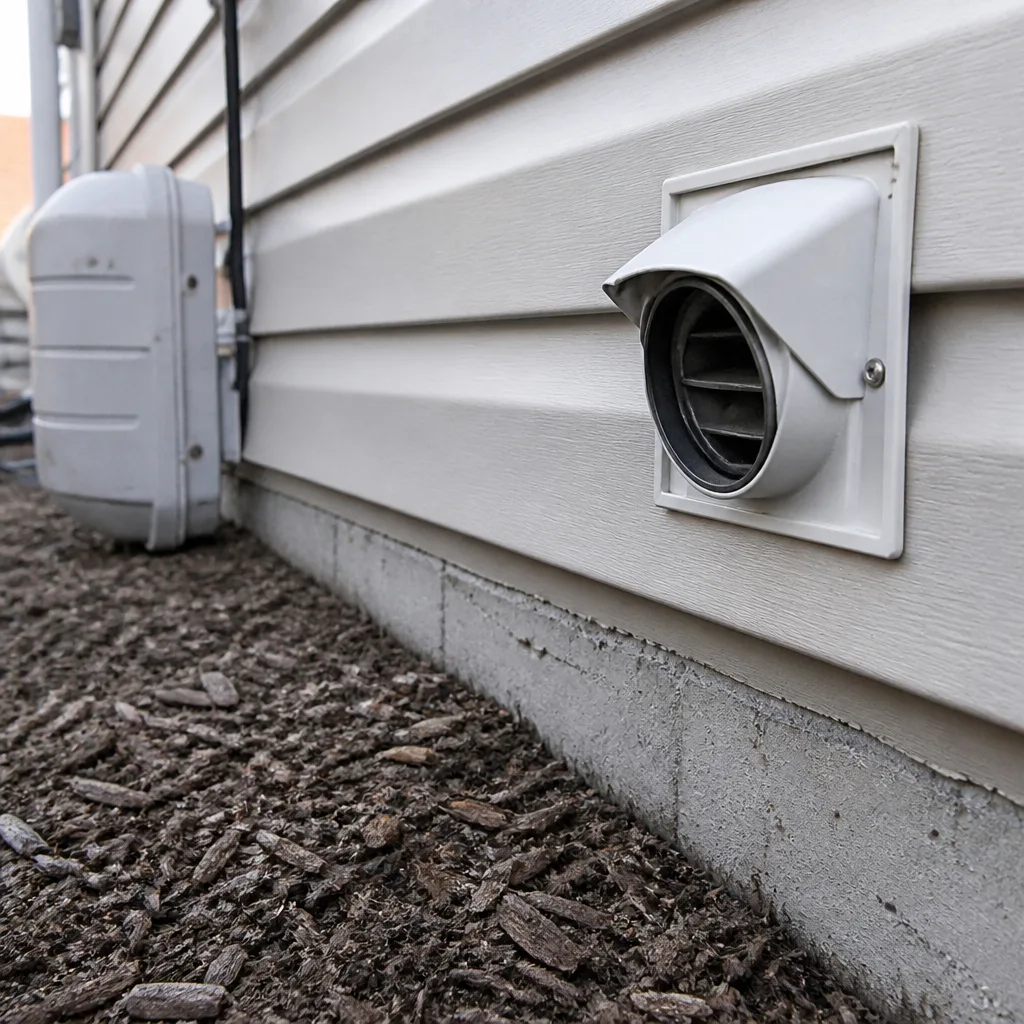 Dryer vent cleaning
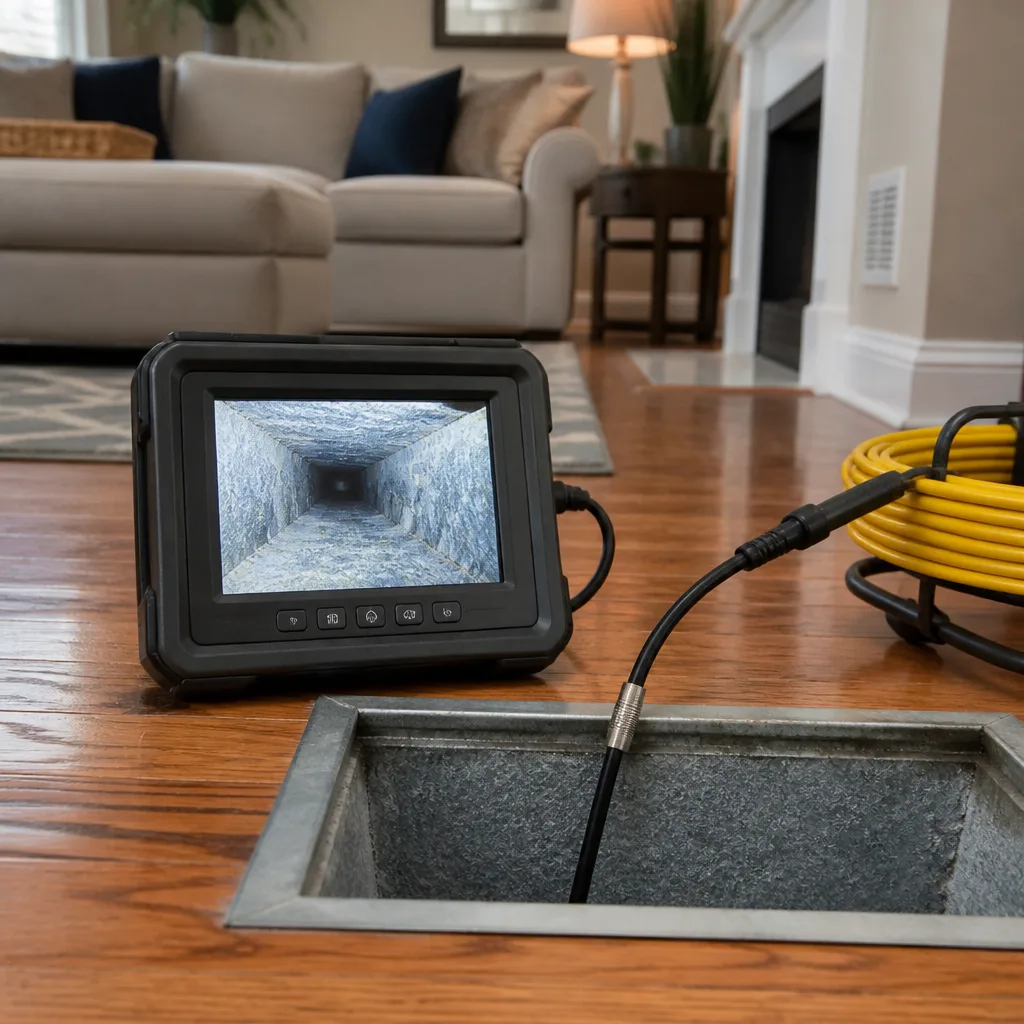 Camera inspection
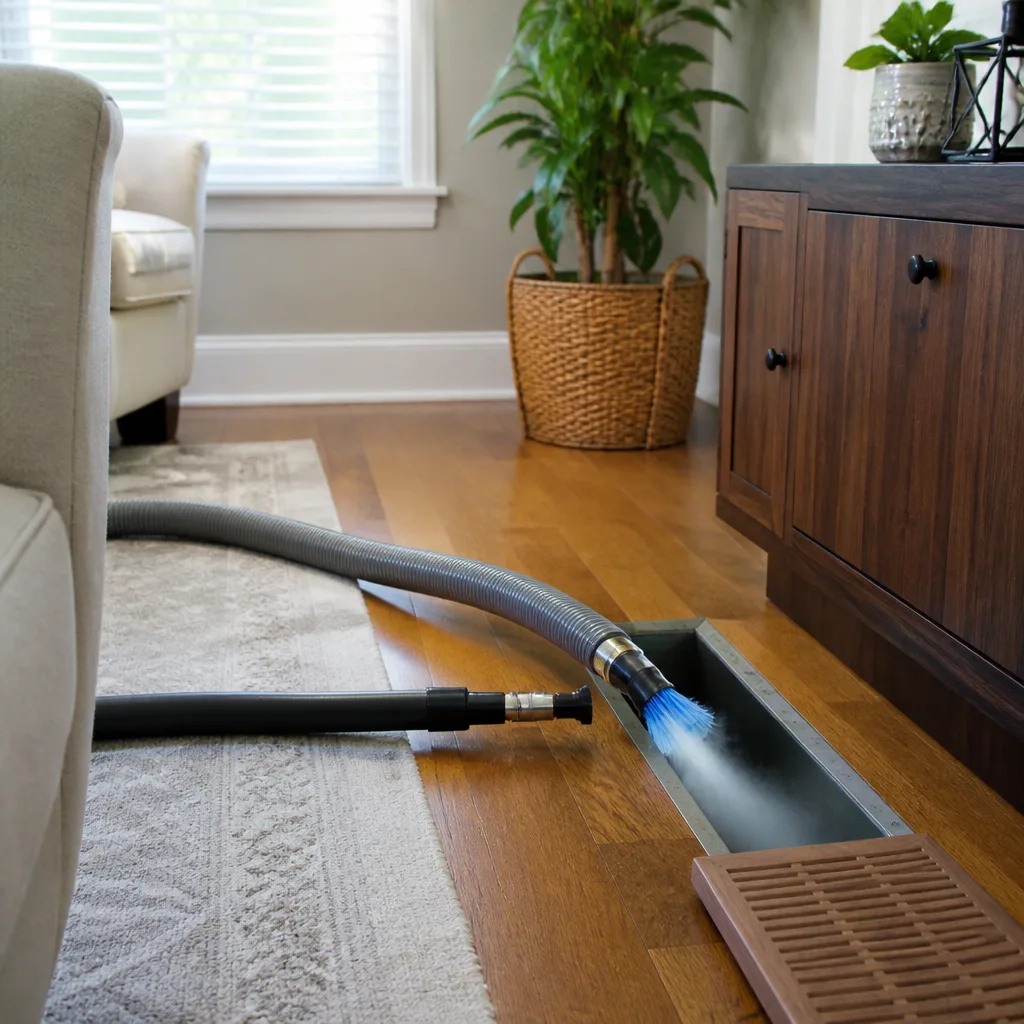 Sanitizing & deodorizing
Whole-system duct and dryer vent check with before-and-after photos - you see exactly what came out of your vents
That "$99 whole-house special" is a bait ad - the real number appears once they are in your hallway, or the "clean" is a shop-vac at the register. We photograph the inside of your ducts before and after instead.
Air Duct Cleaning Maintenance Schedule: What to Do and When
The “every 3 to 5 years” rule that gets repeated everywhere started life as a floor, not a schedule, and it was written before anyone in NoDa was sealing a house up tight and running a heat pump hard all summer. Treat it as a minimum and you’ll miss the things that actually reset the clock: a kitchen remodel, a new dog, a crawl space that stayed damp through August, a furnace swap. This guide builds the calendar around real triggers instead of a number on a wall. You’ll learn what to inspect yourself every six months, what only a professional scope can see, and how to keep a record that makes the next visit faster and cheaper to diagnose.
Quick Answer
Most homes need a professional duct cleaning every 3 to 5 years, with the filter inspected monthly and changed roughly every 1 to 3 months depending on pets, pollen, and how often the system runs. Any major event – renovation, flooding, a new pet, or an HVAC replacement – resets that clock and calls for an inspection sooner. In NoDa’s older housing stock, dense tree canopy, and humid summers, the practical rhythm leans closer to every 3 years than every 5.
Styles & brands we work with
- Whole-home duct cleaning
- Dryer vent cleaning
- Camera inspection
- Sanitizing & deodorizing
Table of Contents
- Why the 3-to-5-Year Rule Is a Floor, Not a Schedule
- Event-Based Triggers That Reset the Clock
- Seasonal Filter and Register Checkpoints for NoDa
- What You Can Inspect vs. What Needs a Professional Scope
- How NoDa’s Housing Stock Ages Ductwork Differently
- How to Keep a Maintenance Log a Technician Can Use
- A Simple Maintenance Calendar by Month
- Common Mistakes to Avoid
- When to Call a Professional
Why the 3-to-5-Year Rule Is a Floor, Not a Schedule
The 3-to-5-year guidance came from an era of leakier houses and simpler systems. It answers one question – how long before enough debris accumulates to matter – and ignores every other variable: how tight the envelope is, what’s growing outside, how much the system cycles, and what happened inside the house along the way. In a well-sealed NoDa bungalow with a heat pump running through Charlotte’s sticky summers, the duct system sees far more air movement and condensation cycling than the guideline assumes.
Think of the number as a backstop. It tells you the longest you should ever wait when nothing unusual has happened. When something has happened – and in older neighborhoods something usually has – you inspect sooner.
What actually drives accumulation
- Filtration quality and fit. A cheap filter that gaps around its frame lets fine dust past into the trunk lines. A properly sized filter in a sealed slot catches most of it before the ducts.
- Runtime hours. A system that runs 10 hours a day moves far more air, and more dust, than one that runs 3.
- Outdoor load. NoDa sits under heavy tree canopy. Spring pollen drifts into return grilles and settles wherever airflow slows.
- Humidity cycling. Charlotte summers push condensation through the system. Ductwork that stays damp between cycles is where musty odors start.
- House history. Renovation dust, pets, and past water intrusion all load the system in ways the calendar can’t see.
That’s the reason a schedule based only on elapsed time gets it wrong in both directions. Some NoDa homes are due at year 2. Others with good filtration and no events can stretch. The triggers below are how you tell which kind of home you have. For the full picture of what a cleaning involves, our air duct cleaning page walks through the process step by step.
Event-Based Triggers That Reset the Clock
An event beats a calendar every time. When one of these happens, the clock resets to zero – inspect within a few months, not at the next scheduled year.
- Renovation or remodeling. Drywall dust, sawdust, and insulation fibers migrate straight into return grilles and settle in the trunks. Any project that opens walls, floors, or ceilings qualifies.
- A new pet joins the house. Pet dander and hair load the return side faster than most people expect. The filter starts filling in weeks, not months.
- Flooding or a major leak. Water intrusion into ducts or a crawl space that stays wet is the single strongest trigger. Moisture turns debris into a growth problem rather than a dust problem.
- HVAC replacement or major repair. Whenever the system is opened up, the ducts should be inspected before the new equipment pushes air through them.
- Moving in. You don’t know the last owner’s habits. Treat a new-to-you home as due until you can verify otherwise.
- A persistent musty smell. Odor at a register or at the return is the system telling you something is wet or loaded. That’s an inspection trigger, not a wait-and-see.
Each of these events deserves a real look rather than a quick vacuum at the grille. Professional equipment matters here – an Air Duct Cleaning NoDa visit brings rotary brush systems and containment to the job because event-driven cleaning is where consumer-grade tools fall short.
Seasonal Filter and Register Checkpoints for NoDa
Your filter is the cheapest diagnostic tool you own, and checking it on a seasonal rhythm tells you a lot about what the ducts are seeing. Charlotte’s climate hands you two distinct stress seasons: spring pollen and summer humidity.
Spring: pollen season
Late March through May, NoDa’s tree canopy releases a heavy pollen load. Pull the filter and hold it up to light. If you can’t see through it, the system is working hard and the ducts are catching what the filter misses. Inspect every 30 days through the spring and change as needed – often every 30 to 60 days rather than the 90 you might normally get.
Summer: humidity season
June through September, the air handler and coils condense moisture constantly. This is when a damp duct problem will show up as a musty smell rather than visible dust. Check registers for cool, damp-feeling air or odor. A smelly return in August is a real signal, not a quirk.
Fall and winter: buildup season
Heating season pushes dry, dusty air through the same ducts. Inspect the filter monthly as the system starts running again, and watch for the first dust drift around supply registers and on nearby furniture.
- Every month: glance at the filter through the grille.
- Every 1 to 3 months: replace or wash the filter based on how it looks.
- Every 6 months: remove a supply register cover and look inside with a flashlight (see the next section).
- Every spring and fall: schedule a professional inspection if the home has any trigger from the list above.
What You Can Inspect vs. What Needs a Professional Scope
You can see a surprising amount yourself at the registers – and none of the places that matter most. Knowing the difference saves you worry and tells you when to book a visit.
What you can check at a register
- Visible dust, debris, or hair on the register face and the first inch of duct.
- Streaks or dark deposits on the register fins (airflow carrying load).
- Odor at the register when the system is running.
- Condensation on a supply register, which points to an insulation or humidity issue.
- Loose or gapping connections where you can see into a wall cavity.
In NoDa, the register check in a humid July is worth doing twice – once in dry weather and once mid-summer – because a damp problem often only shows when the system is cycling condensation.
What needs a professional scope
- Inside the trunk lines and main runs – where most debris actually sits.
- The return plenum and any unconditioned attic runs.
- Coils and the air handler interior, which collect dust on the fin side.
- Crawl space ductwork, which is often insulated, taped, and hard to see into.
- Seams, joints, and connections you can’t reach or can’t inspect without opening the system.
A scope and a proper cleaning catch what a flashlight can’t. This is where the difference between a shop vac and a Rotobrush rotary brush system shows – the brush reaches the trunk walls a home tool never touches.
How NoDa’s Housing Stock Ages Ductwork Differently
Two NoDa homes on the same street can need very different schedules based on how they’re built. The biggest split is between slab-on-grade homes and older builds with crawl spaces or unconditioned attic returns.
Older homes with crawl space ductwork sit in the most hostile environment in the house – damp in summer, cold in winter, often insulated on the outside of the run but open to moisture below. Those runs collect condensation, and their insulation degrades over time. Unconditioned attic returns are the other weak point: a return drawing air through a hot attic in July pulls in dust and heat, and the run itself sees big temperature swings that stress duct tape and seams.
Slab-on-grade homes with all ductwork inside the conditioned envelope are generally simpler – less moisture exposure, steadier temperature, longer intervals between cleanings. But older sealing can still leak at joints, and leaks pull dust into the system from every crevice they pass.
- Crawl space ducts: inspect more often, check insulation and vapor barrier, watch for musty odor.
- Unconditioned attic returns: check for condensation and duct sealing at every seasonal checkpoint.
- Conditioned envelope ducts: standard interval works unless there’s an event trigger.
- Mixed systems: the unconditioned runs dictate the schedule for the whole house.
After cleaning, sealing is what stops the leaks from refilling the ducts with fresh dust. That’s why our HVAC cleaning and duct sealing work happens together in homes like these.
How to Keep a Maintenance Log a Technician Can Use
A good log turns a guess into a diagnosis. You don’t need a spreadsheet – a page in a notebook or a note on your phone works – but a few specific entries make the next visit far faster.
- Date and filter type. Note when you changed the filter and what MERV rating or size you used.
- What you saw at the register. Dust level, odor, condensation – in your own words.
- Any event. Renovation, new pet, water intrusion, HVAC work. This is the single most useful line.
- Any symptom. Allergy flare-ups, musty smell, reduced airflow, uneven room temperatures – note when they started.
- When the last professional cleaning happened and what was done – cleaning only, or cleaning plus sealing.
- Anything a technician flagged. If someone noted a weak connection or questionable crawl space duct, write it down so it gets followed up.
When we arrive for a cleaning, an event history and a symptom timeline tell us where to focus the Nikro unit and containment first. A homeowner who can say “musty smell started in July, no events since the kitchen remodel three years ago” gets a sharper inspection than one who isn’t sure.
A Simple Maintenance Calendar by Month
Here’s the schedule laid out month by month for a typical NoDa home. Adjust by trigger – any event on the list above moves an inspection earlier.
- January: monthly filter check; note heating-season dust patterns.
- February: filter check; inspect registers for dust drift and odor.
- March: pollen starts – check filter every 30 days from here through May.
- April: prime pollen month; expect filter replacement more often.
- May: last spring filter cycle; look for early humidity issues at registers.
- June: humidity season begins; check for cool, damp air at registers.
- July: peak humidity – the month to watch for musty odor and condensation.
- August: same as July; log any symptoms for the next professional visit.
- September: humidity easing; check filter as the system transitions.
- October: heating season begins; inspect registers as dust starts moving again.
- November: review the annual log and book a professional inspection if due.
- December: filter check; plan the next year’s cleaning window.
Two professional checkpoints a year – one in spring, one in fall – catch most problems before they show up as symptoms. A home with any trigger can book sooner; there’s no harm in an inspection that finds the ducts still clean. Our dryer vent cleaning often gets scheduled at the same checkpoint, since the vent deserves its own annual look.
Common Mistakes to Avoid
- Waiting for symptoms before acting. By the time you notice the musty smell or the dust film, the ducts have been loaded for a while. Schedule inspections by trigger, not by discomfort.
- Trusting the filter to do all the work. A filter catches what passes through it, but fine dust slips past gaps and settles in the trunks. NoDa’s pollen season means the filter alone is never enough.
- Cleaning and skipping the sealing. A cleaned duct with leaking joints and a gap at the plenum refills with fresh dust from every crevice. In older NoDa crawl space homes, sealing is what keeps a cleaning worthwhile.
- Ignoring the unconditioned attic return. It’s the run most likely to be overlooked and the one that pulls the most outside dust in through heat-driven pressure differences.
- Cleaning after a renovation but not before. Drywall dust from the project settles into the ducts. Cleaning right after the project keeps it out of the system; a follow-up inspection a few months later confirms it’s still clean.
- Skipping the log. Without a record, every inspection starts from scratch, and the technician can’t tell what changed and when.
- Treating the dryer vent as a one-time chore. The dryer vent accumulates lint every load, not every year – an annual check is the minimum, and a long or convoluted run needs more attention. That’s the service most often put off in older NoDa homes.
When to Call a Professional
Call a professional when:
- You’ve had a renovation, flood, or HVAC replacement in the last year.
- You smell mustiness at a register or return, especially in summer.
- You see visible dust or dark streaks inside the first inches of duct at multiple registers.
- Someone in the household has a new, persistent allergy or breathing issue that follows the system.
- Airflow has dropped noticeably or some rooms are much warmer than others.
- Your home has crawl space or unconditioned attic ductwork and it’s been more than 3 years.
- The dryer vent hasn’t been checked in a year or more.
A professional inspection uses scope, containment, and proper cleaning equipment – a level of detail a homeowner can’t approach. Air Duct Cleaning NoDa offers free estimates in NoDa. Call (833) 509-5357. We answer 24/7. Fast dispatch from 7am to 7pm, Sunday through Friday.
See the difference
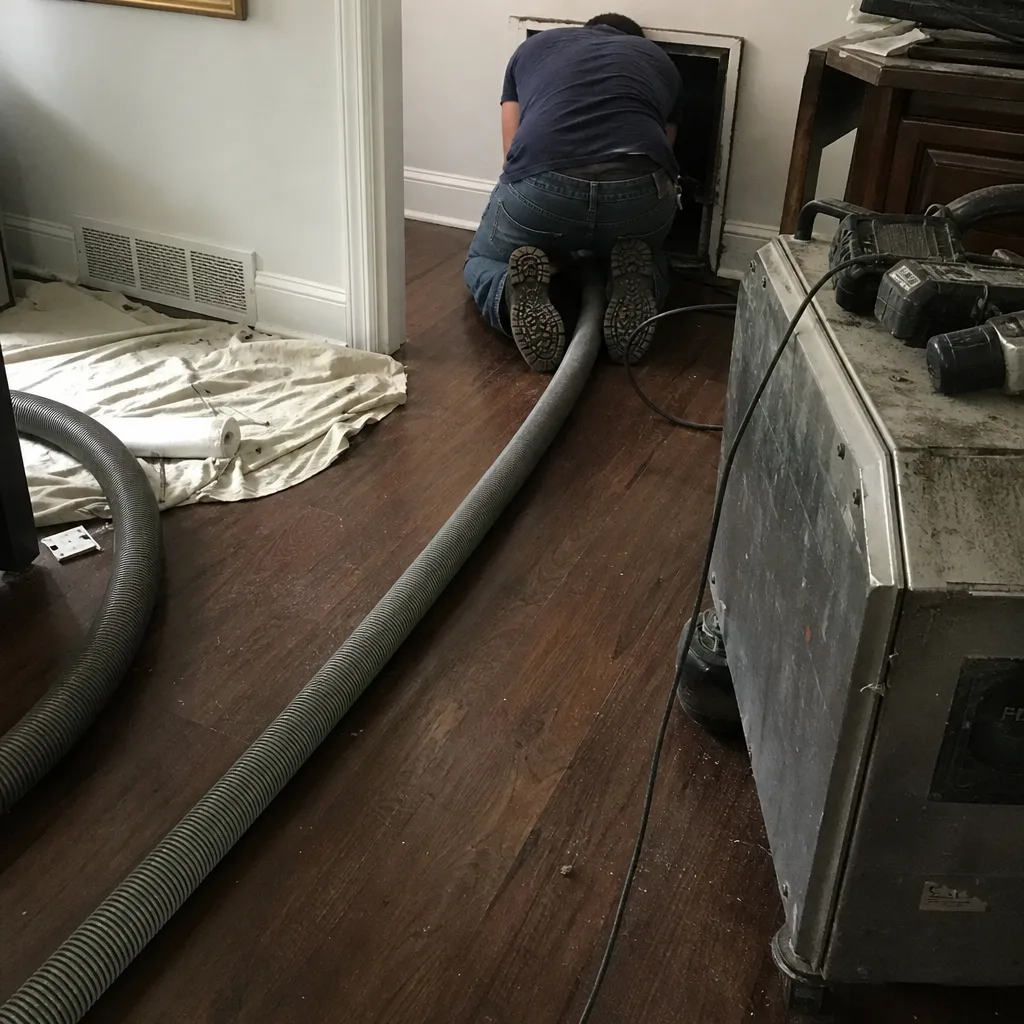 Before
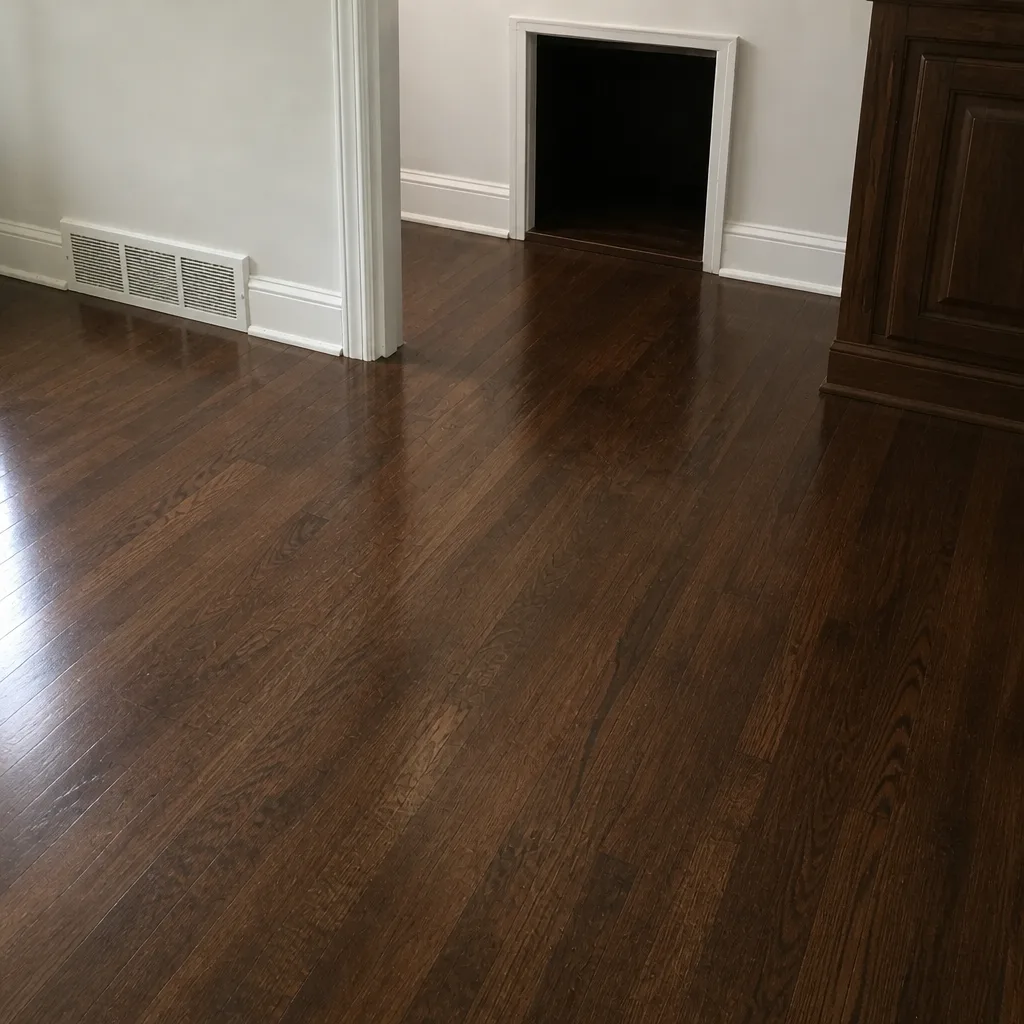 After
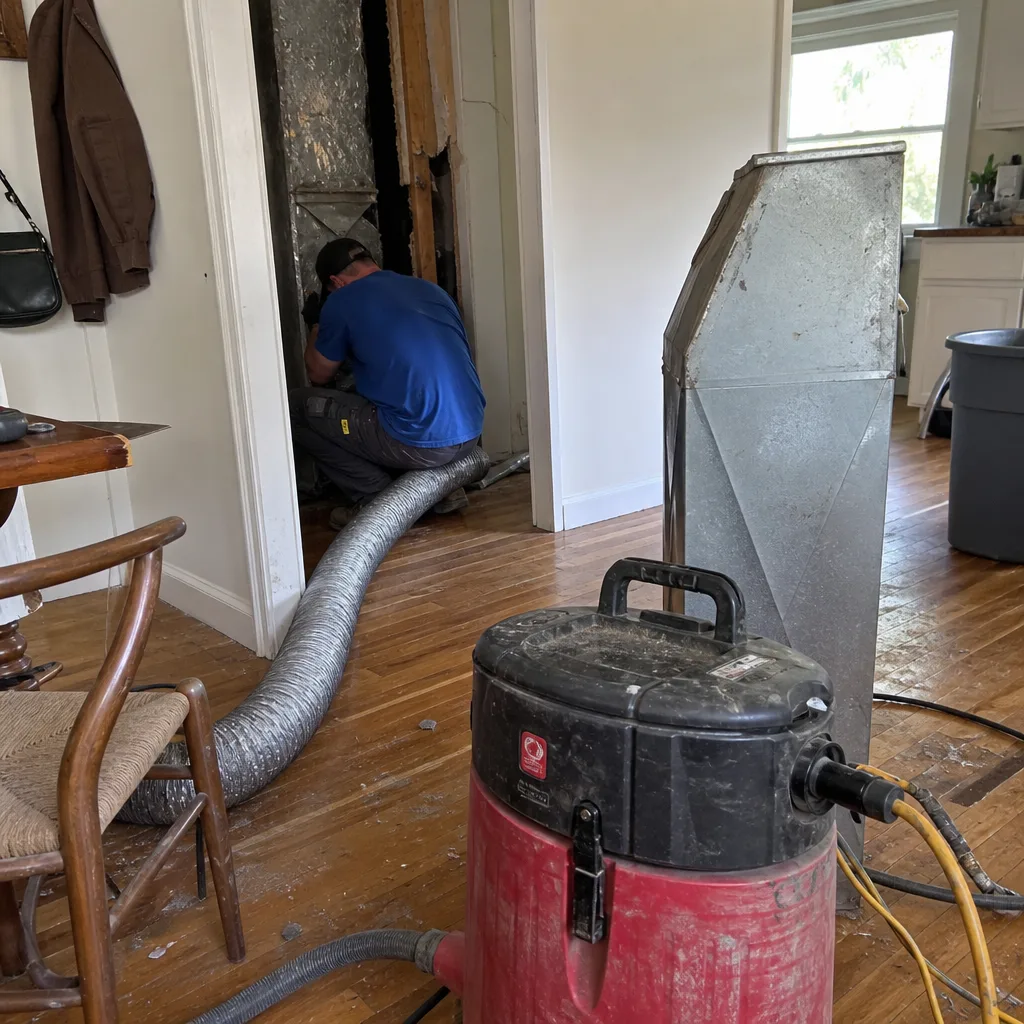 Before
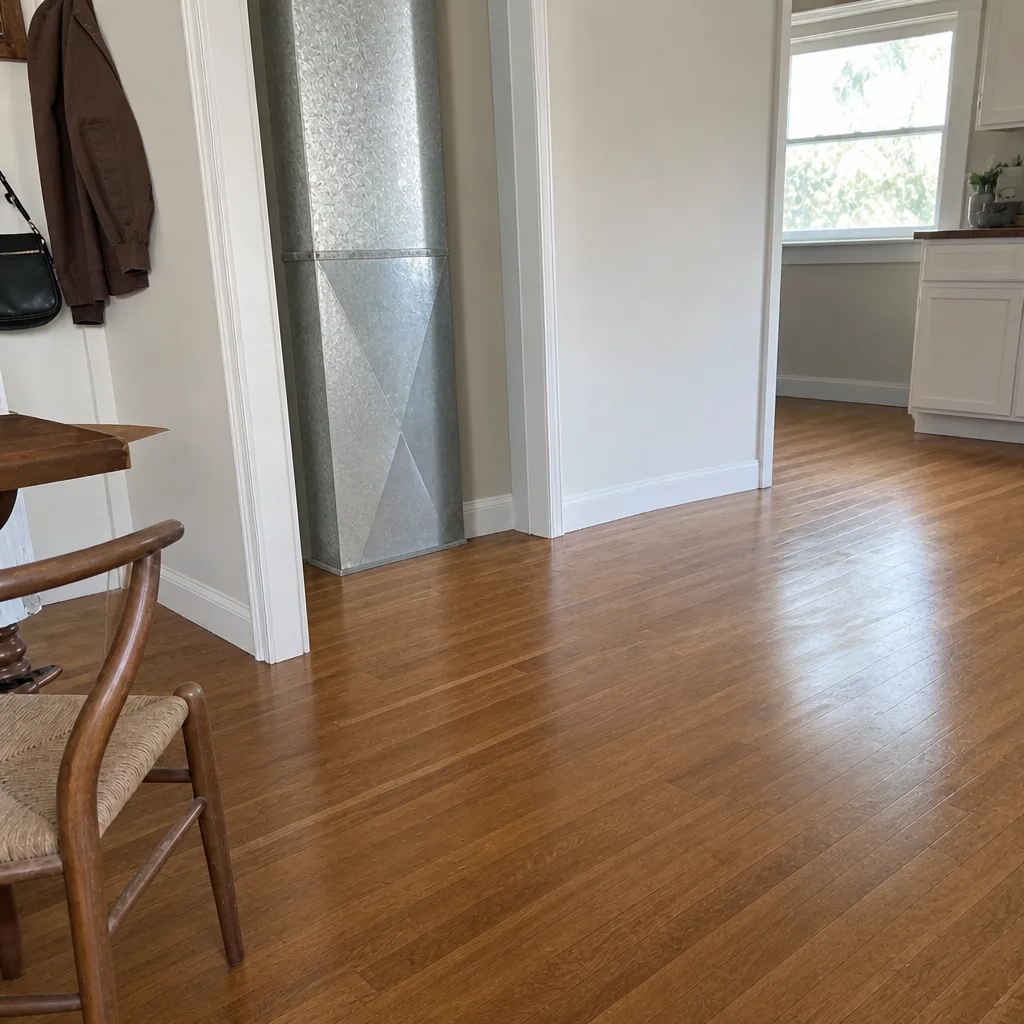 After
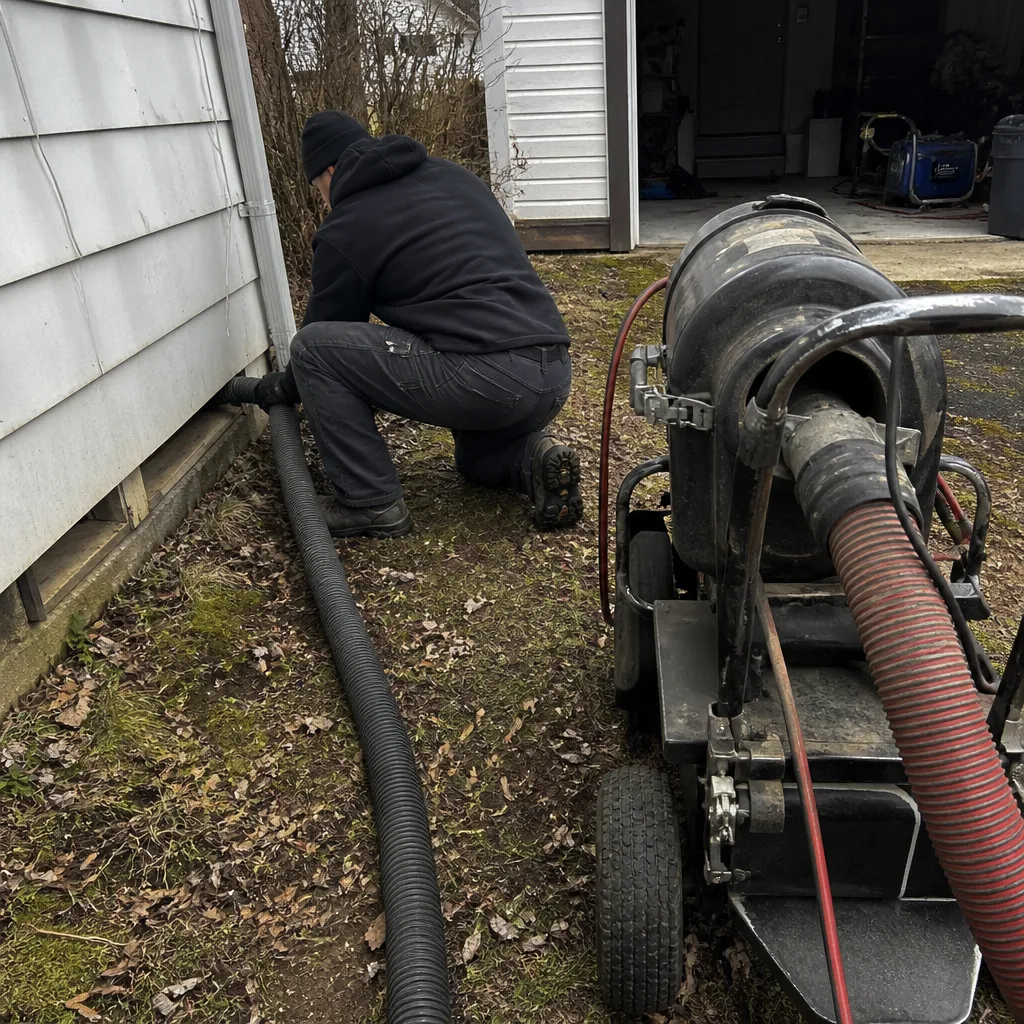 Before
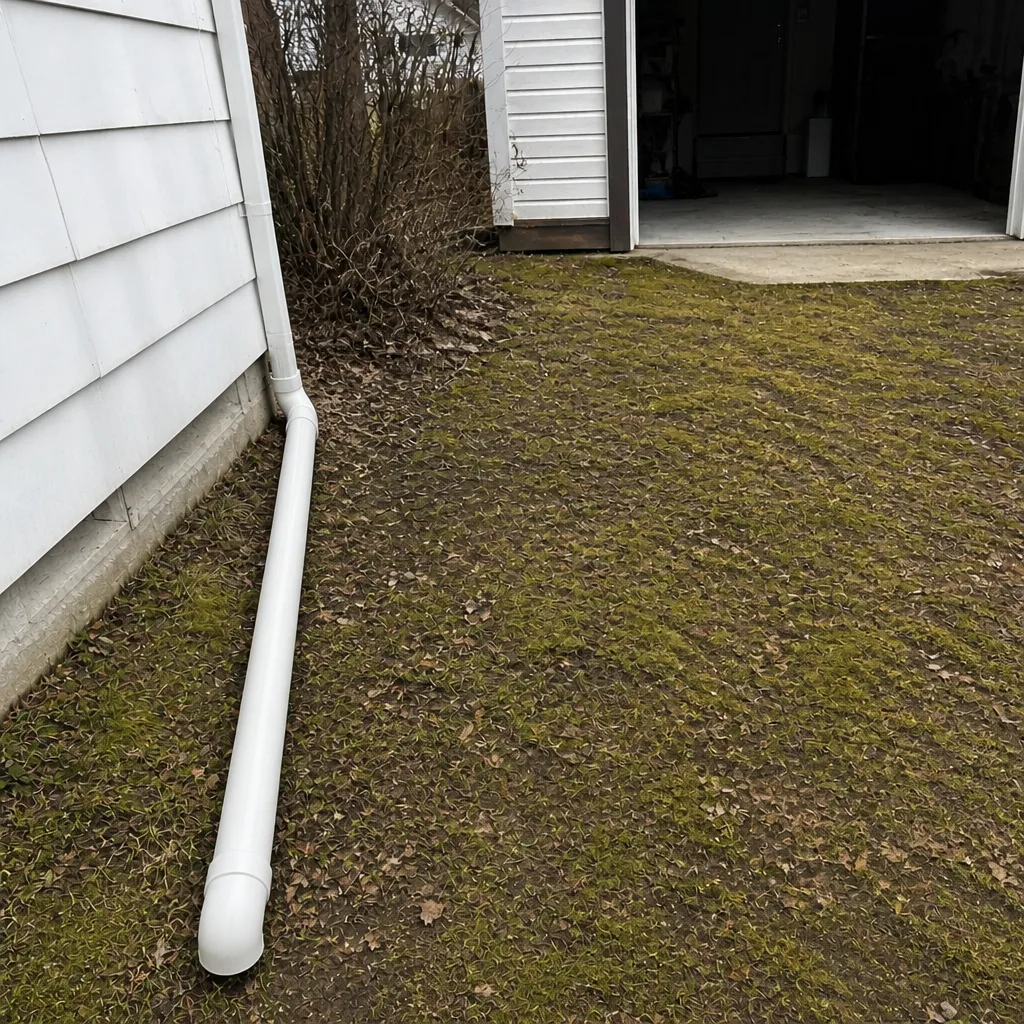 After
Frequently Asked Questions
Every 3 to 5 years is the general default, with the filter checked monthly and changed as it loads. In NoDa’s older housing stock, dense tree canopy, and humid summers, most homes lean closer to every 3 years, and any event – renovation, flooding, a new pet, or an HVAC replacement – resets the clock and calls for an inspection sooner. Call (833) 509-5357 for a free estimate and an inspection that ties your schedule to your home’s actual history.
Yes. Whenever the system is opened up or replaced, inspect the ducts before the new equipment pushes air through them. A new furnace or heat pump moves dust that old equipment may have left settled, and you want to know what’s in the trunks before you rely on the new system.
It usually means inspecting more often. Crawl space ducts sit in a damp environment, their insulation degrades over time, and Charlotte’s summers keep moisture around. Check for musty odor and condensation at every seasonal checkpoint, and lean toward the shorter end of the interval.
You can see dust, streaks, and condensation at the register face and the first inch of duct. The trunk lines, return plenum, attic runs, and air handler interior are where most of the accumulated debris sits – and those need a scope and proper cleaning equipment. A flashlight catches symptoms; a professional scope catches causes.
Yes. NoDa’s spring pollen load can fill a filter in weeks rather than months, and the fine particles that slip past a gapping filter settle in the trunks. If you see heavy filter loading through March, April, and May, note it in your log – the same load is reaching the duct walls.
Filter changes with date and type, what you observed at registers, any events (renovation, pet, water intrusion, HVAC work), symptoms and when they started, and the date of the last professional cleaning. That record lets the next technician diagnose faster and focus on the right parts of the system.
Not when it’s done with proper equipment and containment. Rotary brush systems and professional-grade filtration protect the home during the job. Older or fragile ductwork deserves an inspection before cleaning starts, which is why the estimate comes first – it’s how we plan the job around what’s actually there.
Ask for before-and-after photos of your own ducts, take a look at the registers after the job, and check that the technician scoped the trunk runs and not just the grille faces. The full picture – cleaning, containment, and sealing where needed – is what separates a real job from a shop-vac pass. Call (833) 509-5357 to discuss what your maintenance plan should look like.
The Bottom Line
The 3-to-5-year guideline is a backstop, not a plan. Build your schedule around events – renovation, pets, water, HVAC work – and around NoDa’s actual conditions: heavy pollen in spring, damp air in summer, and older housing stock with crawl space and attic runs that age differently. Inspect the filter monthly, check registers every six months, and log what you find so the next professional visit is sharper. When it’s time for a full cleaning or sealing from a company that brings Rotobrush, Nikro, and Abatement Technologies equipment to the job, call (833) 509-5357 for a free estimate. We answer 24/7. Fast dispatch from 7am to 7pm, Sunday through Friday.
Written by the team at Air Duct Cleaning NoDa.