
Last updated November 23, 2026
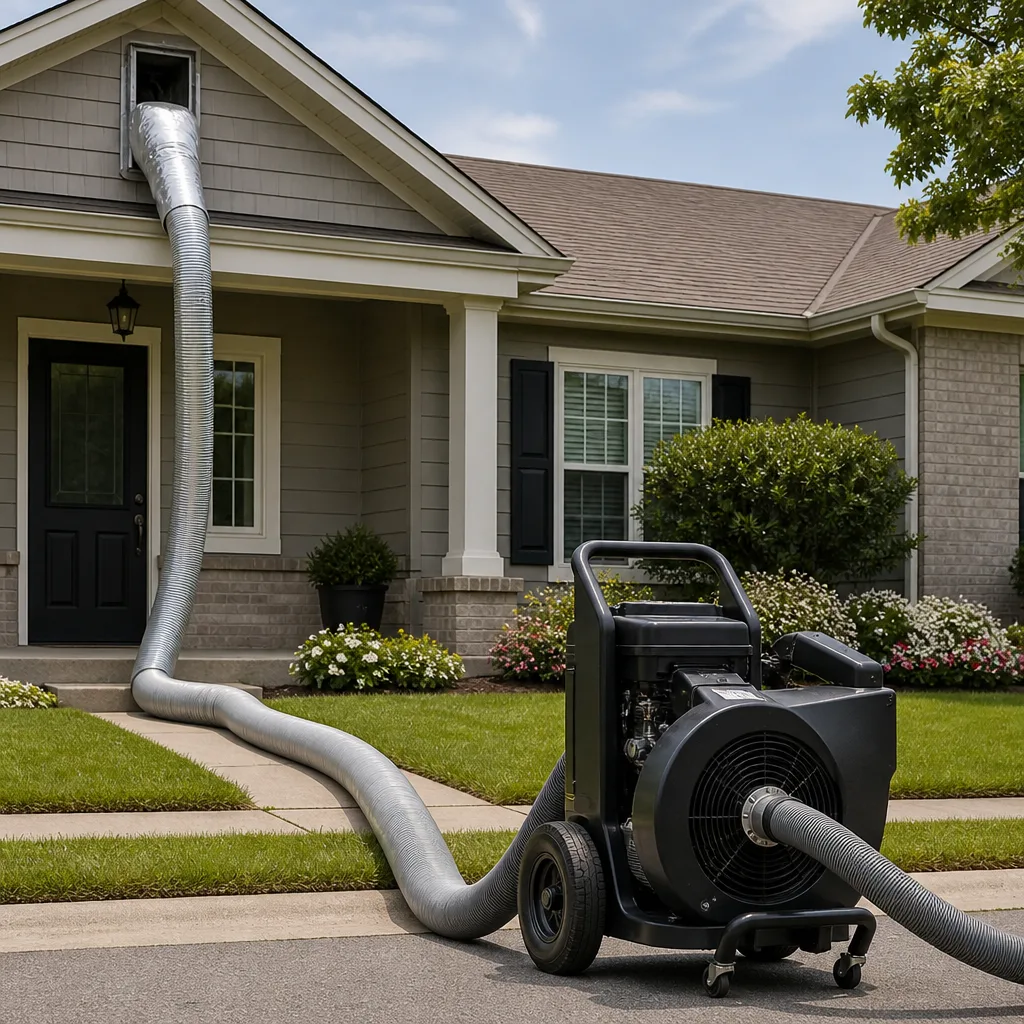 Whole-home duct cleaning
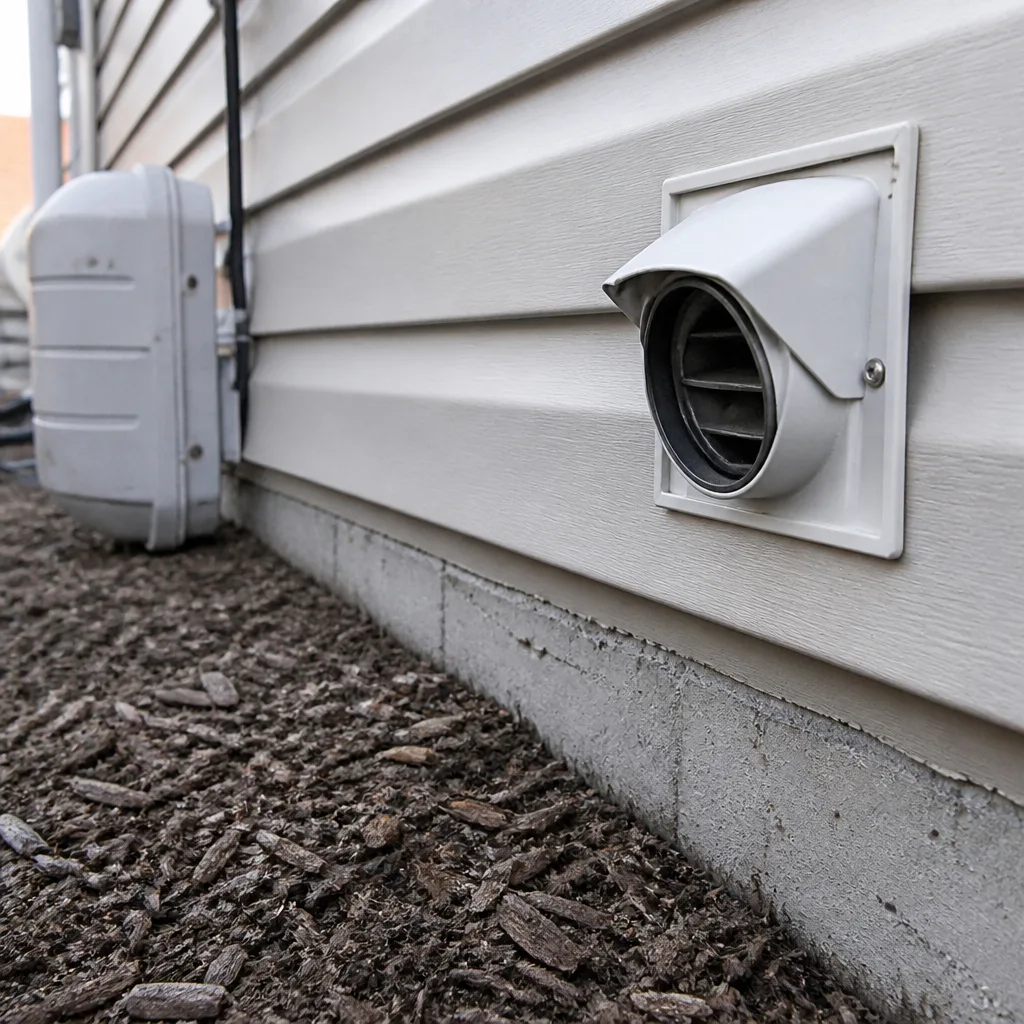 Dryer vent cleaning
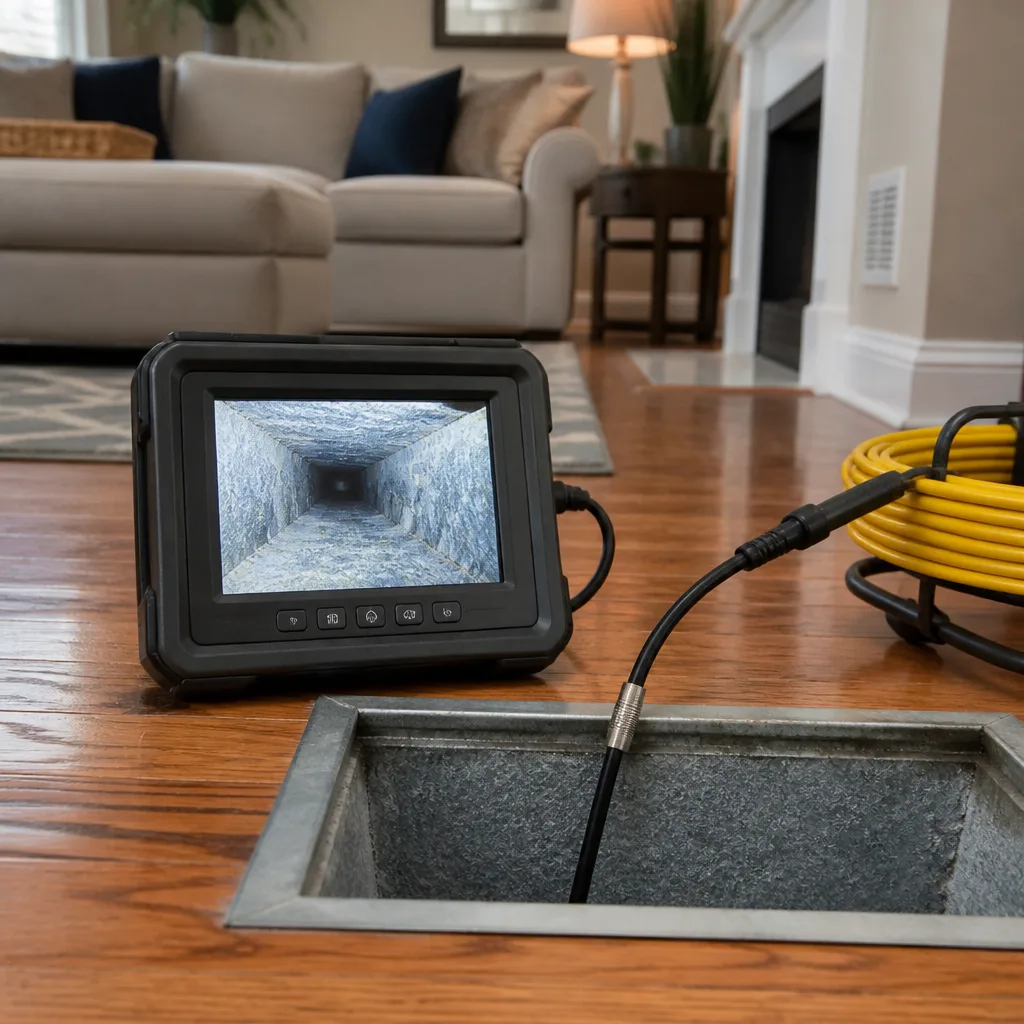 Camera inspection
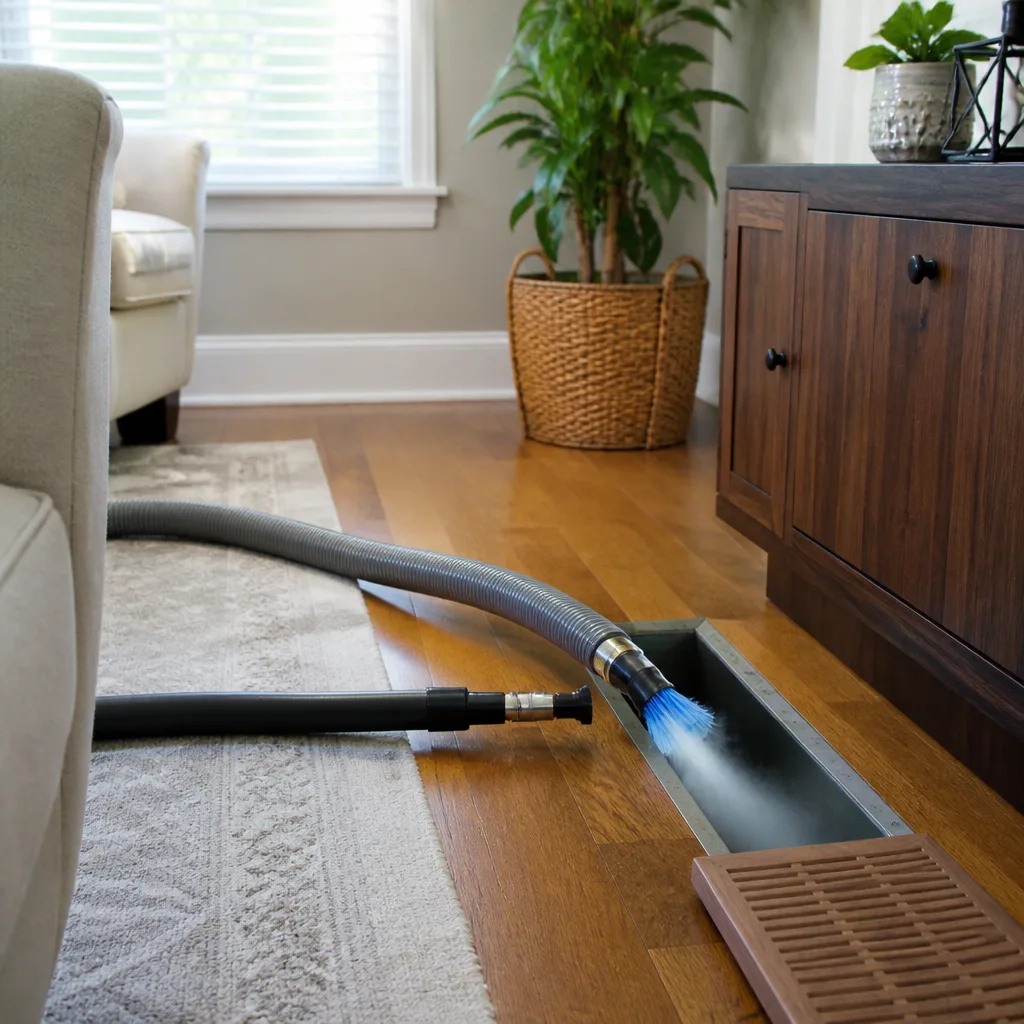 Sanitizing & deodorizing
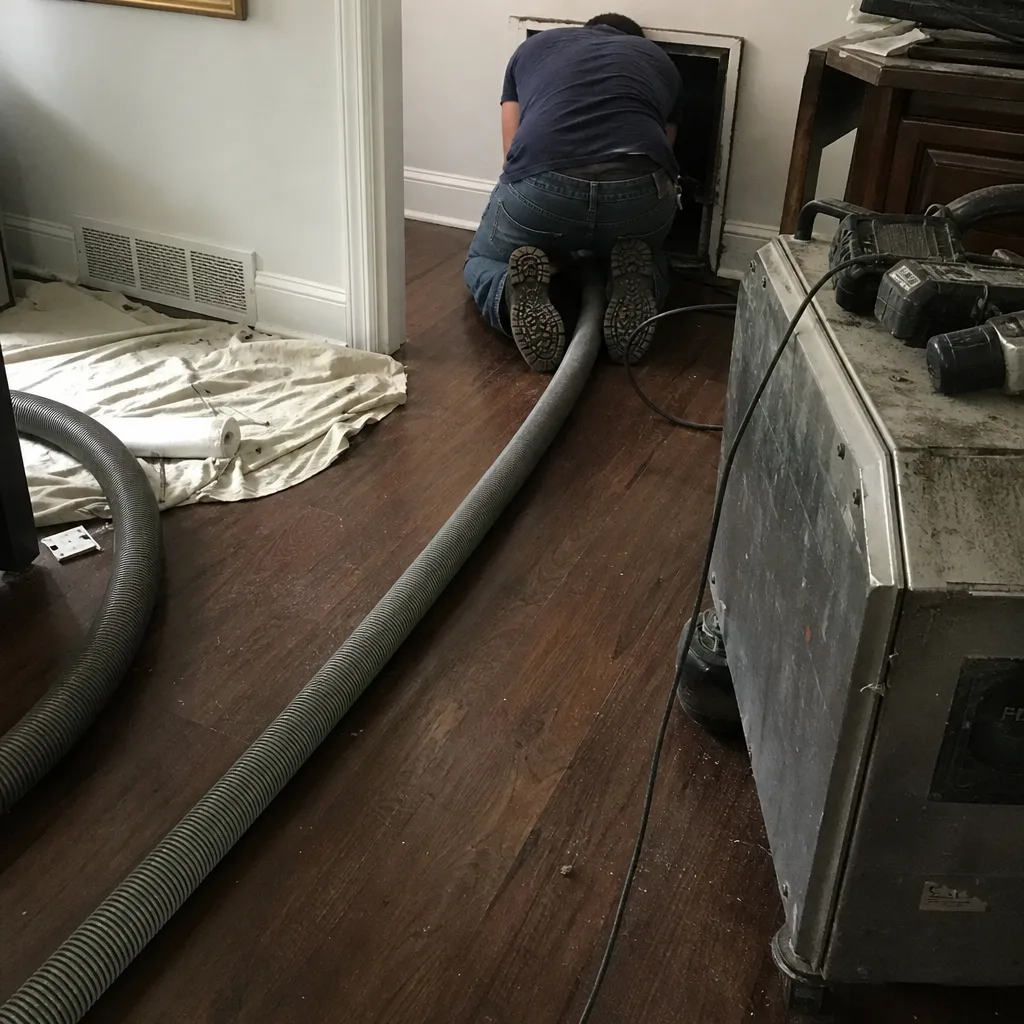
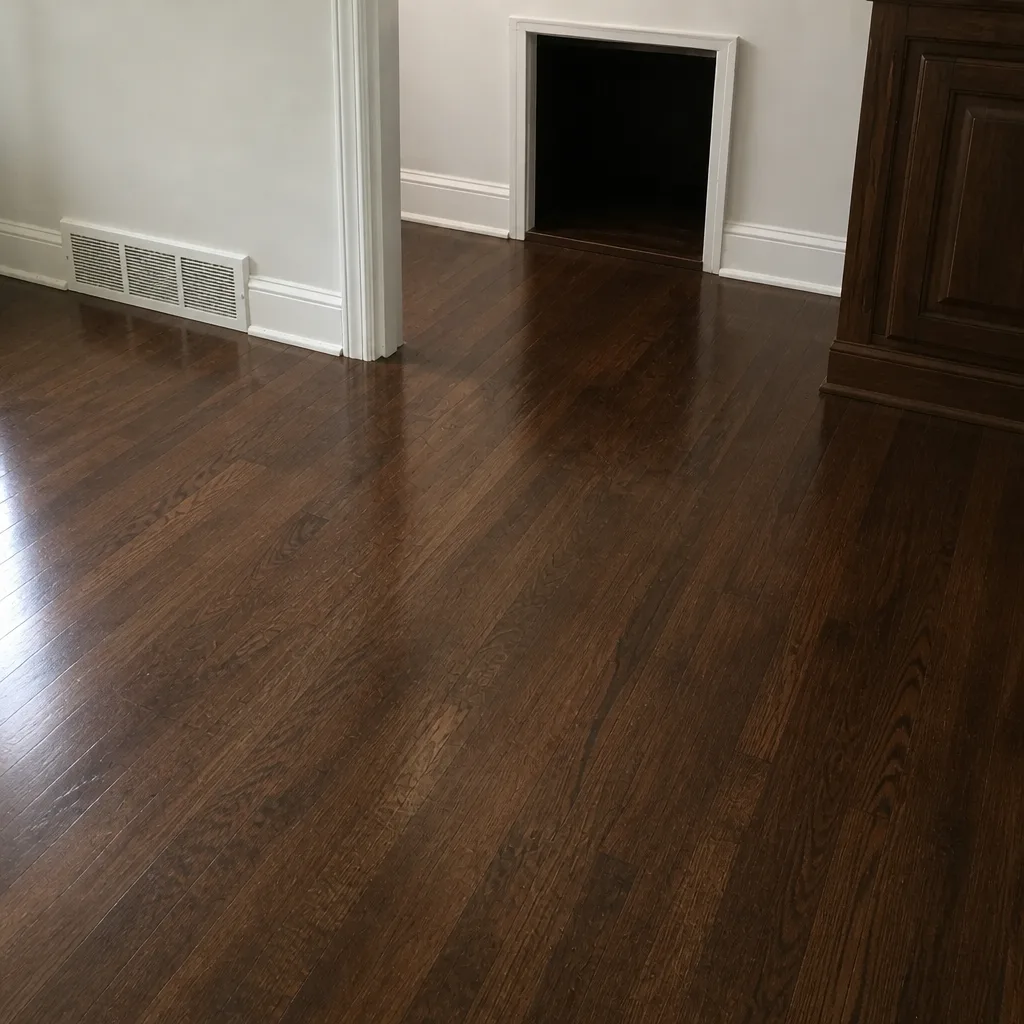
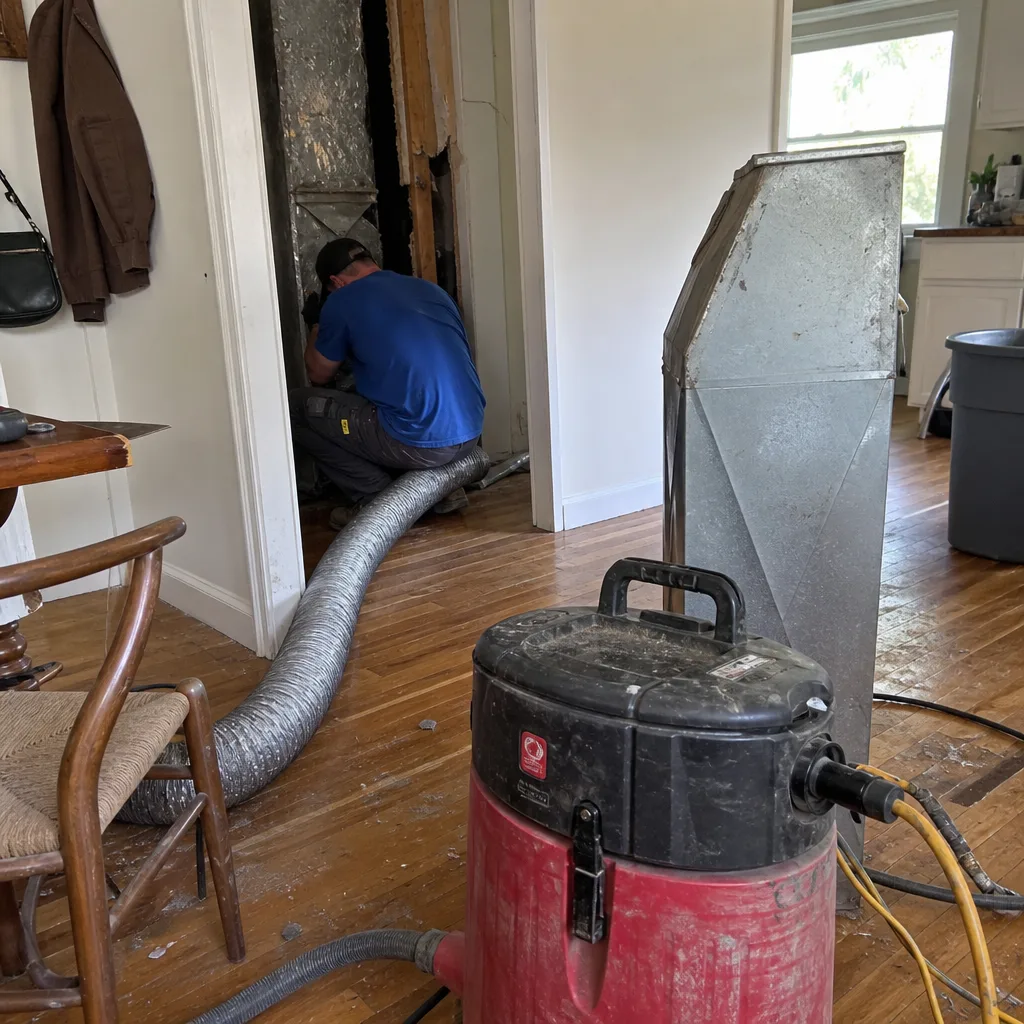
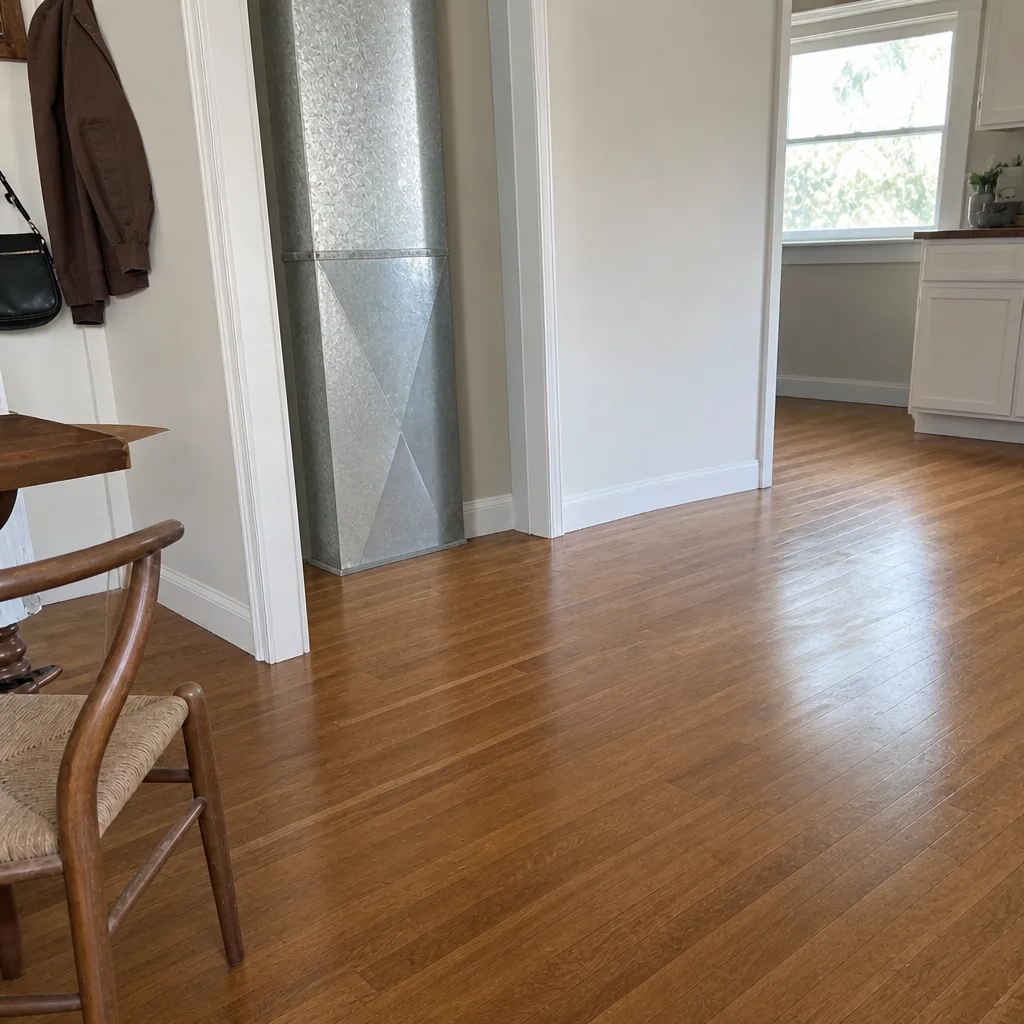
Whole-system duct and dryer vent check with before-and-after photos - you see exactly what came out of your vents
That "$99 whole-house special" is a bait ad - the real number appears once they are in your hallway, or the "clean" is a shop-vac at the register. We photograph the inside of your ducts before and after instead.
The Complete Guide to Air Duct Cleaning in NoDa
Most duct cleaning advice you’ll find online was written for a house that doesn’t exist here. It assumes rigid sheet metal runs, a dry climate, and a system installed to a clean spec. NoDa is full of mill-era bungalows and converted lofts where the ductwork is often original flex from the 1980s and 90s, run through tight chases and patched together over several decades of renovations. That changes how debris collects, what equipment actually reaches it, and what a real cleaning report should show you. This guide walks through the whole picture for NoDa homes.
Quick Answer
Air duct cleaning in NoDa is a full-system process: negative pressure at the air handler, rotary brush agitation through supply and return lines, containment to control what gets airborne, and a documented before-and-after inspection. It matters more here than in drier climates because NoDa’s humid subtropical air keeps debris and biofilm tacky inside flex duct, so it clings instead of drying loose. A legitimate job covers the plenum box and coil too, not just the registers you can see.
Styles & brands we work with
- Whole-home duct cleaning
- Dryer vent cleaning
- Camera inspection
- Sanitizing & deodorizing
Table of Contents
- Why NoDa’s Housing Stock Changes How Ducts Get Cleaned
- How NoDa’s Humid Climate Affects What’s Inside Your Ducts
- What Commercial-Grade Equipment Actually Does That a Shop Vac Can’t
- The Full System Scope: Supply, Return, Plenum, and Coil
- The Cleaning Process, Step by Step
- How to Read a Post-Cleaning Inspection Report
- Red Flags Specific to Older NoDa Construction
- Duct Repair and Sealing: When Cleaning Isn’t Enough
Why NoDa’s Housing Stock Changes How Ducts Get Cleaned
NoDa has two very different housing populations living side by side, and each one behaves differently inside the duct system. The older mill-era bungalows and cottages often rely on original or once-replaced flex duct from the 1980s and 90s, run through crawlspaces and tight interior chases. The newer infill builds and converted lofts tend to use more rigid metal and shorter, more direct runs. Once you’ve worked inside both, the differences are hard to miss.
Flex duct is the big one. Its corrugated inner liner creates ridges that trap dust, pet hair, and lint in a way smooth metal never does. On a humid day that material gets slightly tacky, and debris compacts into the valleys of the corrugation rather than blowing through. The outer insulation sleeve can also fail with age, which means the liner sags and creates low spots where debris settles. A brush-and-vacuum pass doesn’t restore that.
Infill construction brings its own patterns. Tighter building envelopes mean less natural air exchange, so whatever sits in the ducts recirculates more thoroughly. Renovation debris, drywall dust, and construction grit from nearby building work find their way into returns quickly. If your loft was converted from commercial or light-industrial space, the duct layout may be improvised and unsealed in ways a residential build never would be.
- Original 1980s-90s flex duct in bungalows: corrugated liner holds compacted debris
- Converted loft spaces: improvised, often unsealed duct layouts
- Newer infill builds: tighter envelopes, more recirculation, construction grit
- Mixed renovations: mismatched duct materials joined with tape and hope
How NoDa’s Humid Climate Affects What’s Inside Your Ducts
NoDa sits in a humid subtropical climate with long, muggy summers and shoulder seasons that stay damp. Inside a duct system, that means condensation and biofilm rather than dry, powdery dust. The practical result is that debris sticks. It clings to the duct wall and to flex corrugation, it holds moisture, and it supports microbial growth on cooling coils and in the plenum. In a dry climate, the same house might just have loose dust. Here it has a film.
That film is why we treat cleaning as a mechanical job first and a sanitizing job second. Rotary brush agitation breaks the bond between debris and duct wall; powerful negative pressure carries it out of the system and into a contained collection unit. Then a sanitizing application addresses what’s left on the surface. Skipping the mechanical stage and spraying a sanitizer over a dirty duct just wets the dirt down.
Humidity also stresses the hardware. The cooling coil in the air handler stays wet for much of the summer, and that’s exactly where mold and biofilm like to establish. Coil cleaning is a separate, specific step that a register-only vacuum never touches. Deteriorated flex liner holds moisture against the insulation, which compounds the problem over time. When we open up a system in NoDa and find a musty smell, the coil and plenum are usually where it’s coming from.
What Commercial-Grade Equipment Actually Does That a Shop Vac Can’t
A shop vac pulls air. A contractor-grade duct cleaning system pulls air in a controlled way while agitating the duct wall on the other end. That’s the difference, and it’s the reason we build every job around Rotobrush rotary brush systems and Nikro HVAC cleaning units. These are the same tools commercial and restoration contractors rely on, and they exist because the consumer-grade approach genuinely doesn’t complete the job.
Here’s what each piece contributes:
- Rotobrush rotary brush: a rotating brush head on a flexible whip that follows the duct run, scrubbing the full circumference of the wall as it goes. It reaches into the corrugation of flex duct that a straight brush skips.
- Nikro negative pressure unit: a high-volume vacuum connected to the system that keeps the duct under negative pressure while brushing happens, so dislodged debris moves toward the collection unit rather than into your rooms.
- Abatement Technologies filtration and containment: HEPA-grade filtration and containment barriers that control the particulates the process liberates. This is what keeps the job from turning your living room into a dust cloud.
- Post-cleaning inspection camera: lets us document what the duct walls look like after agitation, so the work is verifiable rather than a claim.
We also bring Guardsman-grade protective standards to the surfaces and materials in the home during service, because moving equipment through a tight NoDa bungalow needs care at doorways, floors, and finishes.
The Full System Scope: Supply, Return, Plenum, and Coil
The single most common shortcut in this trade is cleaning only what’s visible. Registers get vacuumed, the register boots get brushed, and the job is declared finished. The dirtiest parts of the system are usually nowhere near a register. A complete scope covers every component that air passes through.
- Supply lines: every branch run from the plenum to the register boot, brushed and vacuumed under negative pressure.
- Return lines: often larger, often neglected, and often where the heaviest debris load sits.
- Plenum box: the distribution box at the air handler. Frequently unsealed in older NoDa homes, which allows attic or crawlspace air to be drawn in.
- Air handler and cooling coil: the evaporator coil is a finned surface that collects dust, biofilm, and moisture. It needs its own cleaning stage.
- Registers and grilles: removed, washed, and reinstalled after the main runs are cleared.
If a quote doesn’t explicitly cover the plenum and the coil, it’s a partial job. On homes in NoDa, where crawlspace and attic connections are common, the plenum and the return trunk are usually where we find the most material. We also check that the whole system is on the same page: cleaning one side and leaving the other is how you end up right back where you started within a season. For the parent service overview, see Air Duct Cleaning NoDa.
The Cleaning Process, Step by Step
A properly run job follows a sequence, and the sequence is what makes it work. Here’s how a full-system cleaning goes from arrival to walkthrough.
- Inspection and layout: we map the duct system, identify materials and access points, and note any disconnected joints or damaged sections before we start.
- Containment setup: Abatement Technologies containment and filtration are put in place to control airborne particulates for the duration of the work.
- Negative pressure connection: the Nikro unit is connected to the system, keeping the ducts under negative pressure throughout.
- Rotary brush agitation: Rotobrush whips run every supply and return line, scrubbing the duct wall and breaking debris loose.
- Plenum and coil cleaning: the plenum box and air handler coil get their own dedicated cleaning.
- Sanitizing application: an air quality sanitizing treatment is applied to the cleaned surfaces to address residual microbial growth.
- Reassembly and verification: registers are reinstalled, joints resealed where needed, and the system is inspected to confirm the outcome.
- Documentation walkthrough: we review before-and-after findings with you, including photos and any issues we flagged for repair.
If your property also has a clothes dryer, that’s a separate concern and a genuine fire-safety one. We handle dryer vent cleaning as its own service, because a lint-clogged dryer vent is a different risk from a dusty supply run. For systems where the furnace or air handler cabinet itself needs attention, HVAC cleaning covers that in depth. And if what you’re after is the core service, air duct cleaning walks through the baseline process.
How to Read a Post-Cleaning Inspection Report
A legitimate cleaning job is documented. That documentation is your evidence that the work happened and that the system is in the condition the contractor claims. When you review a report, here’s what to look for.
- Before-and-after photos of your own ducts. Not stock images, not generic illustrations. Actual photos of the runs we cleaned, with the location noted.
- Component checklist. Supply lines, return lines, plenum, coil, registers, and air handler should each be listed as addressed, not lumped into one “ducts cleaned” line.
- Material notes. Flex versus rigid metal, and any deteriorated liner or damaged section flagged.
- Findings and recommendations. Disconnected joints, unsealed plenums, or failing insulation should be noted with the location, even if repair is a separate decision.
- Sanitizing record. Which product was applied and to what surfaces.
The report is also where a shortcut becomes visible. If it lists only registers, if there are no photos, or if you’re handed a generic form with nothing specific to your system, you’re looking at a shop-vac job with better marketing. Ask to see the documentation before the invoice is settled. We include it because it’s the only real proof.
Red Flags Specific to Older NoDa Construction
Older homes in NoDa have failure modes that newer construction doesn’t share. When we inspect a mill-era bungalow or a converted loft, these are the things we specifically look for.
- Disconnected duct joints. Flex duct sections joined with tape can separate as the tape ages. A disconnected joint in a crawlspace or attic means you’re conditioning and recirculating air from outside the living space.
- Unsealed plenums. The plenum box at the air handler is often the leakiest part of the system. In older NoDa homes, gaps around the plenum draw in attic or crawlspace air on every cycle.
- Deteriorated flex liner. The inner liner of aged flex duct can tear or collapse. Once that happens, the duct is holding debris in a way no cleaning can fully fix, and the section needs replacement.
- Improvised duct runs. Loft conversions and renovations often have duct routing that was never designed as a whole. Mismatched materials and sharp bends cause pressure loss and debris settling.
- Moisture staining on duct insulation. A sign that condensation is getting into the assembly, often around the coil or in a humidified crawlspace.
Finding one of these during cleaning isn’t a surprise bill; it’s the reason we inspect before we brush. Repairing a failed joint or resealing a plenum is what makes the cleaning hold, and it’s work we can schedule as a follow-up.
Duct Repair and Sealing: When Cleaning Isn’t Enough
Cleaning restores a sound system. It cannot fix a broken one. When we find deteriorated flex liner, disconnected joints, or an unsealed plenum during a job, repair and sealing are the next step, and having the same company do both matters because it means no handoff and no waiting on a second vendor.
Sealing closes the leaks that pull unconditioned air into the system. Repair addresses the sections that have physically failed. Combined, they keep the cleaned system clean and reduce the load the equipment carries. That’s why we offer the full scope, from cleaning to sealing, in one place. Once the ductwork is in order, an air quality upgrade may make sense: we work with Honeywell and Aprilaire product lines for filtration, humidification, and air quality controls, because those are the brand names most likely to match what’s already in a NoDa home.
Drapery and surface protection under Guardsman-grade standards applies to repair visits as much as cleaning visits. The point isn’t a sales pitch for repair; it’s that the cleaning you paid for should actually last.
Common Mistakes to Avoid
- Cleaning only the visible registers. A register pass tells you nothing about the supply and return lines behind them. Have the full system covered, including the plenum and coil.
- Choosing a quote that never mentions equipment. If the contractor can’t tell you what they’re using, you don’t know if they have the negative pressure to do the job. Ask for the equipment list before you book.
- Skipping the inspection report. A job without before-and-after documentation is a job you can’t verify. Request the report as part of the service.
- Ignoring moisture and mustiness. In NoDa’s humid climate, a musty smell usually points to the coil or plenum, not just the duct runs. Address the source, not the symptom.
- Accepting an unsealed plenum. If the plenum is drawing in attic or crawlspace air, you’ll be back at square one. Ask that it be checked and sealed.
- Treating the dryer vent as an afterthought. A lint-clogged dryer vent is a fire-safety issue, not a side note. Have it cleaned as a standalone service.
- Hiring on price alone. Two quotes for the same house can differ hugely because one is a register vacuum and one is a full-system cleaning. Compare scope, equipment, and documentation, not just the number.
See the difference
 Before
 After
 Before
 After
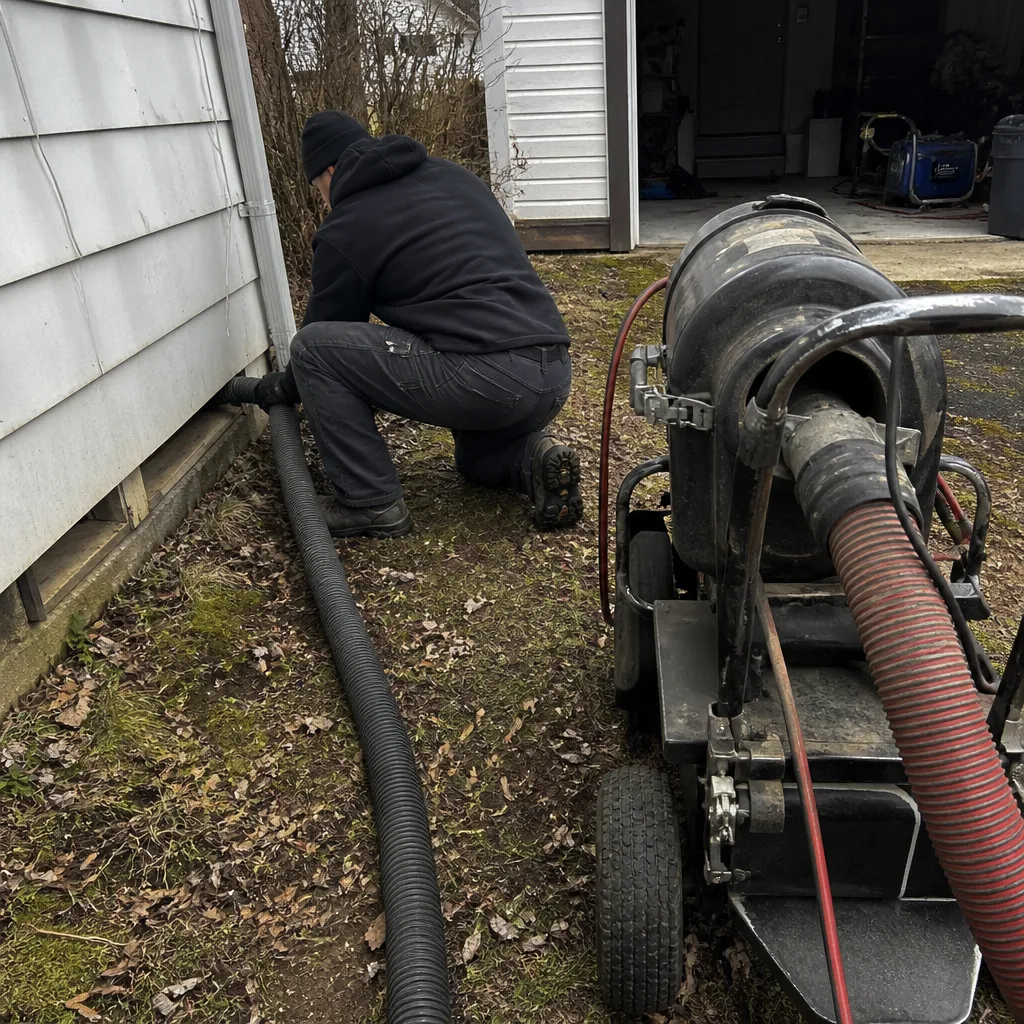 Before
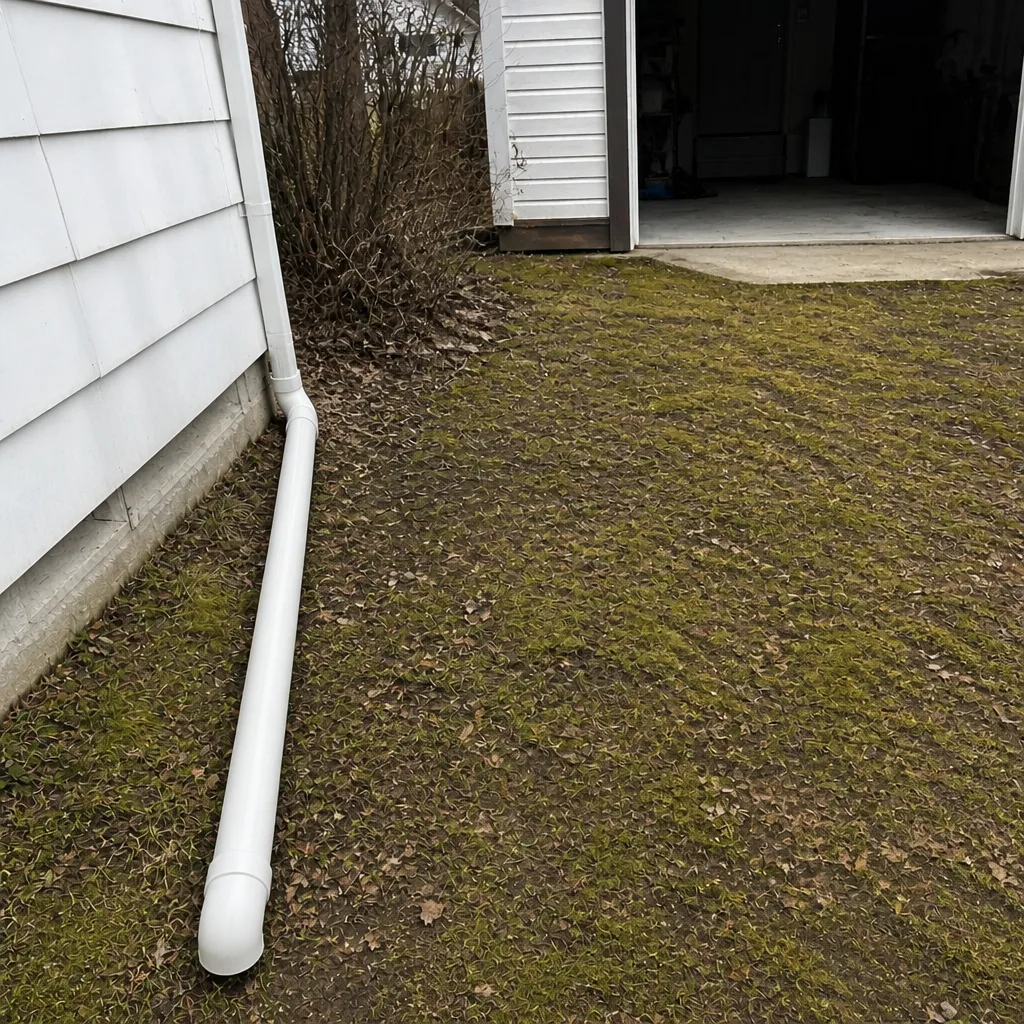 After
When to Call a Professional
There are clear scenarios where a professional cleaning is the right call. You’re seeing dust settling on surfaces shortly after you wipe them down. Allergy or respiratory symptoms flare when the HVAC runs. You notice a musty or stale smell, especially when the cooling kicks on. Your energy bills creep up without an obvious cause. You’ve just finished a renovation and the return lines pulled construction grit. Or you’re moving into an older NoDa home with flex duct of uncertain age and want a baseline inspection and documentation.
We answer 24/7. Fast dispatch from 7am to 7pm, Sunday through Friday, and we’re closed on Saturday. Air Duct Cleaning NoDa offers free estimates in NoDa: call (833) 509-5357. Every price is set per job by a written estimate agreed before work starts, so there’s no surprise invoice.
Frequently Asked Questions
The price is set per job by a written estimate after we assess the system, not by a per-vent rate. Home size, duct material, number of runs, and whether repair is needed all shape the number. Call (833) 509-5357 for an exact quote; estimates are free.
Because they’re usually for a different job: a register vacuum rather than a full-system cleaning with negative pressure, containment, and coil and plenum coverage. Cheap quotes look cheap because the equipment and the scope aren’t there. Call (833) 509-5357 and we’ll explain exactly what’s included in ours.
You get before-and-after photos of your own duct runs, a component-by-component checklist, and a written record of findings. Documentation is part of the job, not an extra. Call (833) 509-5357 to see how that works.
Most homes benefit from a cleaning every few years, with more frequent attention after major renovations, in homes with pets, or in older systems with aged flex duct. NoDa’s humid climate is a reason not to stretch it too far, since moisture holds debris in place. Call (833) 509-5357 for an assessment of your specific system.
Flex duct has a corrugated inner liner with ridges that trap and compact debris, especially in humid air. Rotary brush agitation from a Rotobrush system reaches into that corrugation in a way a straight brush or shop vac cannot. Call (833) 509-5357 if your older NoDa home has original flex runs.
We flag them in the report with the location and discuss repair or sealing as a separate step. Cleaning a system with failed sections only goes so far, and repairing them is what makes the result last. Call (833) 509-5357 to talk through options.
The Bottom Line
Air duct cleaning in NoDa isn’t a register vacuum. It’s a documented, full-system process built around real negative pressure, rotary agitation, containment, and coverage of the supply lines, return lines, plenum, and coil. The housing stock here, with its older flex duct and converted lofts, and the humid subtropical climate both make debris cling and compact in ways that drier regions don’t see. Choose equipment, scope, and documentation over the lowest quote.
Air Duct Cleaning NoDa can cover the whole job, from cleaning and sanitizing to duct repair and sealing, plus dryer vent and HVAC cleaning. Call (833) 509-5357 for a free estimate. We answer 24/7, with fast dispatch from 7am to 7pm, Sunday through Friday, and we’re closed on Saturday.
Written by the team at Air Duct Cleaning NoDa.