
Last updated November 23, 2026
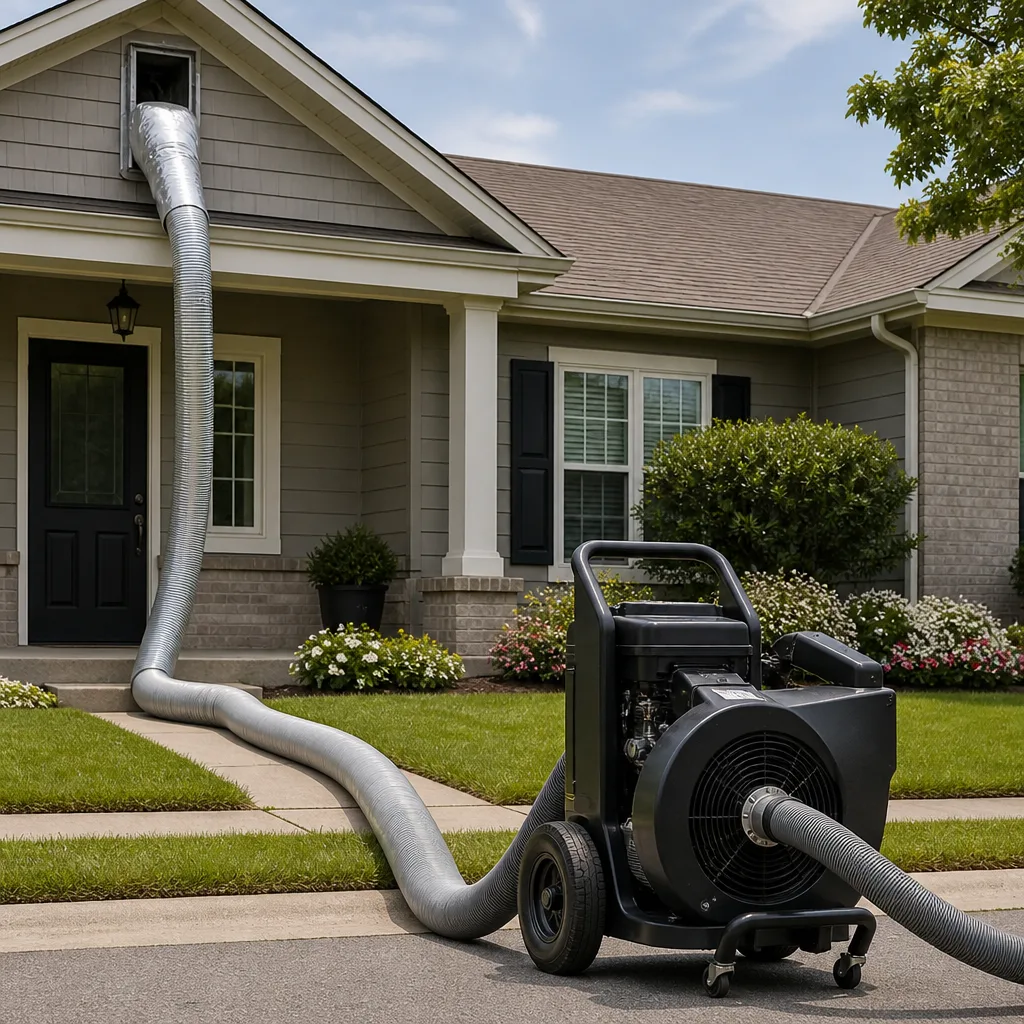 Whole-home duct cleaning
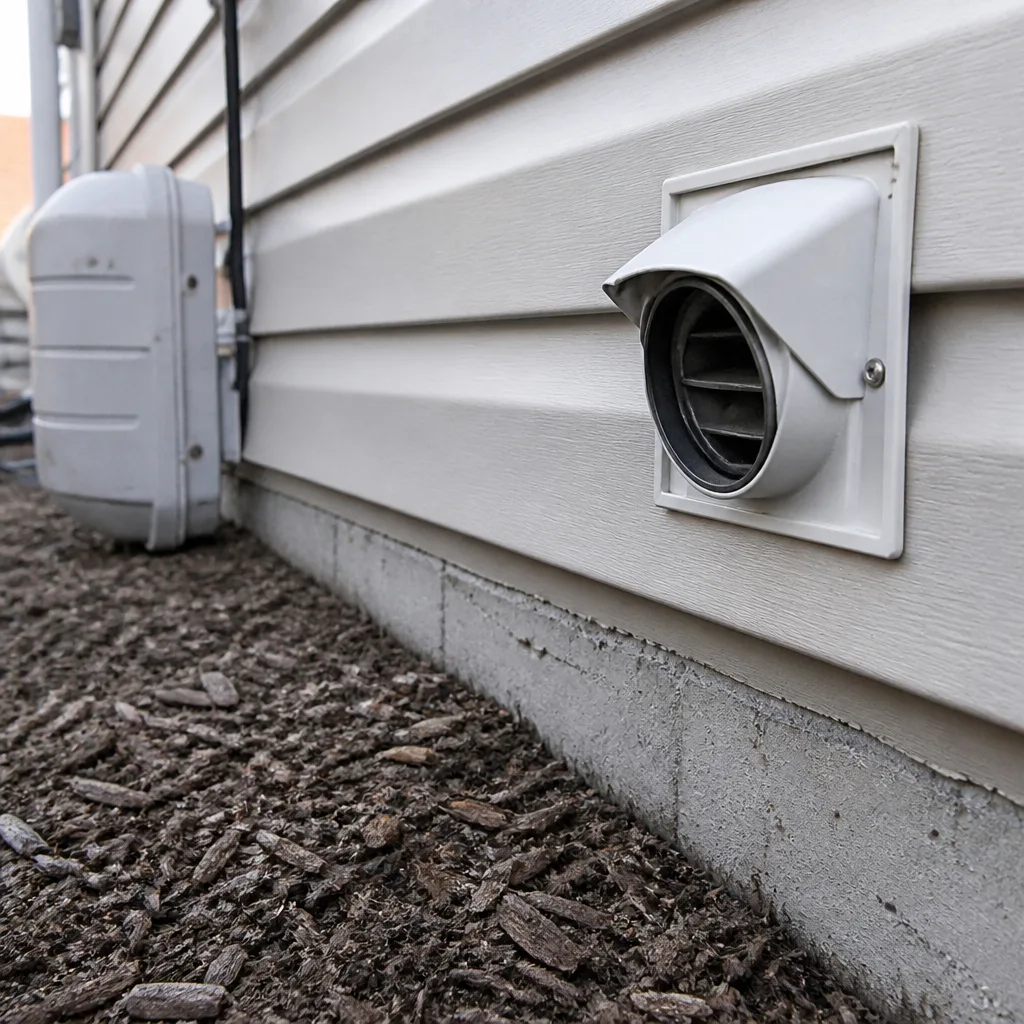 Dryer vent cleaning
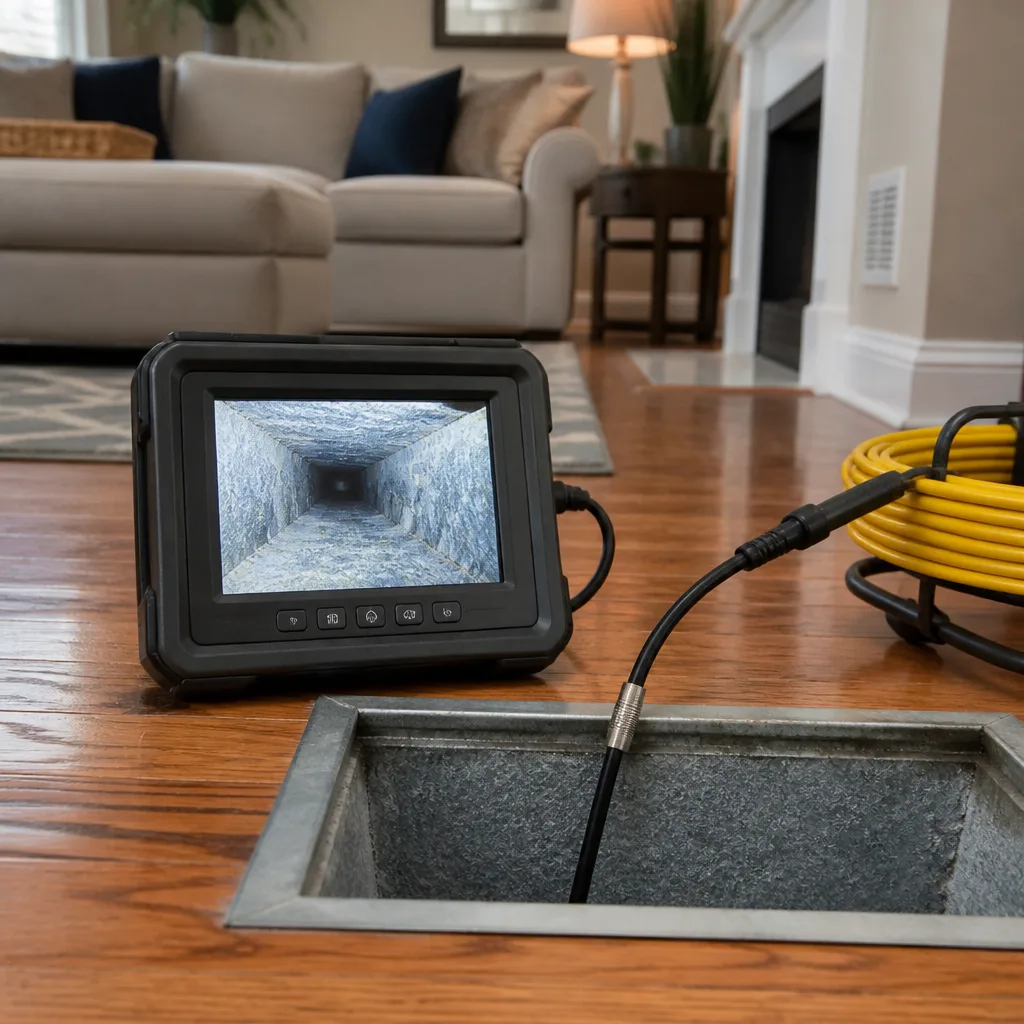 Camera inspection
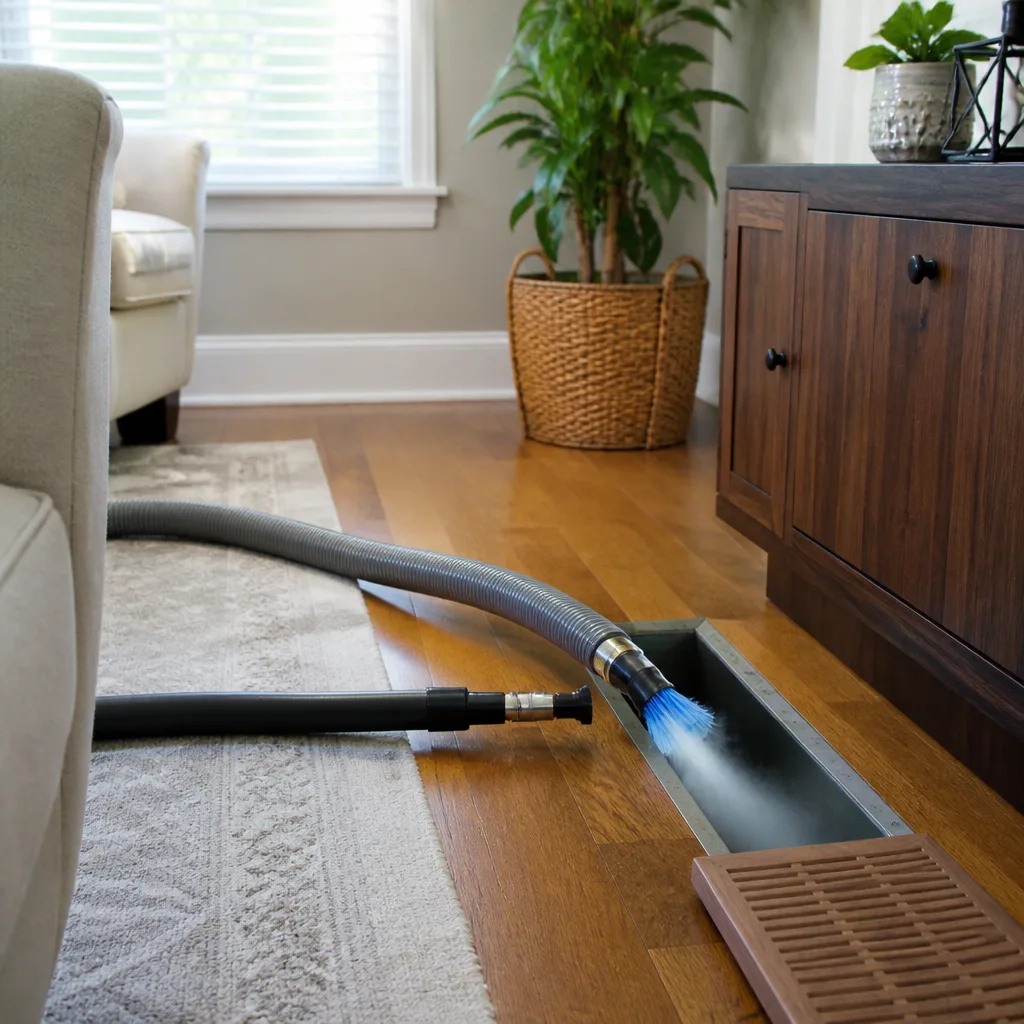 Sanitizing & deodorizing
Whole-system duct and dryer vent check with before-and-after photos - you see exactly what came out of your vents
That "$99 whole-house special" is a bait ad - the real number appears once they are in your hallway, or the "clean" is a shop-vac at the register. We photograph the inside of your ducts before and after instead.
Air Duct Cleaning Emergency Preparedness Guide for NoDa Homes
Most NoDa homeowners think about duct cleaning as routine maintenance, something to schedule when the dust gets visible or the allergies flare up. That’s the wrong frame for the situations that actually matter. When flood water touches ductwork, when smoke from a fire gets pulled through the return, or when a mold remediation crew finishes in the walls and leaves the vents untouched, you’re not dealing with routine dust anymore. You’re dealing with contamination that follows different rules, different timelines, and a different protocol. This guide walks through what an emergency response actually looks like for each of those three scenarios, what your insurance adjuster needs to hear from you, and how to tell a real emergency IAQ crew from a company that just owns a big vacuum.
Quick Answer
Emergency duct cleaning in NoDa is a response protocol, not a faster version of routine cleaning. Flood water intrusion requires moisture mapping and verified drying before any mechanical cleaning begins, because wet insulation inside the duct liner colonizes with mold within days. Fire and smoke contamination requires chemical desorption after mechanical extraction, because soot bonds to duct surfaces. Post-remediation clearance requires cleaning after the mold contractor signs off, followed by air quality testing. The order matters, and getting it wrong costs money you won’t recover.
Styles & brands we work with
- Whole-home duct cleaning
- Dryer vent cleaning
- Camera inspection
- Sanitizing & deodorizing
Table of Contents
- What to do when flood water gets into your ductwork
- How fire and smoke contamination differs from ordinary dust
- The correct sequence for post-mold-remediation duct cleaning
- What to tell your insurance adjuster about duct contamination
- How to find a contractor for emergency IAQ work
- Why NoDa’s weather and housing stock raise the stakes
- What documentation a proper emergency job should produce
- Preparing your ducts before the next event
What to do when flood water gets into your ductwork
When water reaches the supply trunk or a return, the clock starts immediately. The insulated liner inside your duct is the problem, not the metal. Fiberglass or foil-faced insulation holds moisture against the duct wall, and once that layer stays damp, microbial growth establishes itself quickly. A duct that drips dry on the outside can still be saturated inside the liner.
The first phase of a proper response is documentation and moisture mapping, not cleaning. Any responsible crew will spend the first part of the visit measuring, not scrubbing. Here’s what the sequence should look like:
- Stop the system. Running the blower moves moisture and spores through every branch line and into the living space. Shut the air handler down before anything else.
- Photograph everything. Water lines on the ductwork, the air handler interior, any visible standing water. Your adjuster will want these.
- Moisture-map the system. A technician should use a pin or pinless moisture meter on the duct walls and liner at multiple points along the trunk and branch runs. Readings get recorded.
- Dry with HEPA-filtered air movers and dehumidification. This is a controlled drying phase, not a window-open phase.
- Verify with a second round of readings. Cleaning only proceeds once the liner is documented dry to a normal baseline. Without that second reading, you don’t know if the job is finished or paused.
One important distinction for NoDa homes: some duct configurations can’t be salvaged after water intrusion. Flex duct that has been fully submerged, or any section where the liner has delaminated from the outer jacket, is generally a replacement item rather than a cleaning item. Rigid metal duct with intact insulation often can be cleaned and dried, but the liner condition determines which path you’re on. A contractor who says they can save it without opening up a section to look at the liner is guessing.
For the cleaning phase itself, after drying is verified, we bring commercial-grade equipment rather than a shop vac. Our air duct cleaning for water-damaged systems uses Rotobrush rotary brush systems to agitate the liner surface and Nikro extraction units to pull material out of the system, with Abatement Technologies containment running to keep particulates from migrating into your living room during the job.
How fire and smoke contamination differs from ordinary dust
Smoke residue is not dust that settled out of the air. It’s a chemical deposit. When combustion particles cool inside the ductwork, they bond to the metal and to any surface film already present. That bond is why mechanical brushing alone often leaves a smoky smell after a fire, even when the ducts look visibly clean. You’re not removing a loose layer, you’re breaking a chemical attachment.
What that means in practice is a two-stage process:
- Mechanical extraction first. Source removal of loose soot and any charred debris. This is the part that looks like standard duct cleaning, and it’s the part that removes the bulk of the mass but not the smell.
- Chemical desorption second. A chemical agent is applied inside the duct system to break the bond between soot residue and the duct surface, then the treated surfaces are cleaned again. Skipping this step is the most common reason a home still smells like smoke a month after a fire.
There’s also a moisture dimension in fire response. Water from firefighting efforts can sit in low spots, in the air handler condensate pan, and in the liner of any duct that ran below the fire floor. A smoke job that ignores standing water becomes a flood job two weeks later. Anyone doing this work needs to check moisture, not just soot.
If your NoDa home has had a kitchen fire or a garage fire that pulled smoke through the return, don’t wait to see whether the smell fades. It rarely does, because the source is still inside the duct. Once the fire department clears the building and your insurance has opened a claim, the duct system can be addressed. We can come out and assess whether the contamination is surface-level or bonded, and give you a written scope you can hand to your adjuster. That assessment is a service we do at no charge. You can reach us at (833) 509-5357. We answer 24/7. Fast dispatch from 7am to 7pm, Sunday through Friday.
The correct sequence for post-mold-remediation duct cleaning
The order of operations matters more than the equipment in a post-remediation clearance job. The correct sequence is: remediation of the source, then duct cleaning, then air quality verification. Reversing any two of those steps wastes money and can re-contaminate a system you just paid to clean.
- Mold remediation of the source area. This is the wall cavity, the crawlspace, the ceiling assembly, or wherever the growth originated. Duct cleaning can’t fix a source that’s still producing spores.
- Post-remediation verification (PRV). This is the remediator’s clearance step, usually involving moisture readings and sometimes air sampling. You want this documentation in hand before anyone touches the ducts.
- Duct cleaning. Now that the source is gone, mechanical cleaning removes settled spores, debris, and the organic dust that spores feed on inside the duct system.
- Sanitizing. A targeted antimicrobial application inside the duct. This is not a substitute for cleaning. Sanitizer sprayed onto a dirty duct does not reach the material underneath the film.
- Post-cleaning air quality verification. Air sampling or particle counting to confirm the system is clear. If you haven’t done this step, you don’t have closure, you have a hope.
The most common mistake we see is cleaning before remediation finishes, because the homeowner is impatient or the remediator says “the duct guy can start whenever.” That doesn’t work. The remediation process itself generates airborne particulate, which gets pulled into the returns of a running system and re-deposits on surfaces you just cleaned. It’s a genuine waste of the cleaning money.
NoDa has a lot of older bungalows and converted mill housing, and those houses often have duct systems with more turns and standing water traps than newer construction. That geometry matters in a mold job because the duct system can carry spores farther from the source than the homeowner expects. When we handle this kind of work, we use Abatement Technologies HEPA filtration and containment to control particulate in the room during the cleaning phase, and we sanitize the system only after the mechanical work is complete. If you’ve just closed out a remediation and the ducts haven’t been touched, call (833) 509-5357 and we’ll walk you through what your clearance documentation should show before we book the cleaning.
What to tell your insurance adjuster about duct contamination
Duct systems get left out of claims more often than they should, and the reason is almost always that the adjuster wasn’t given a specific reason to include them. Ducts are hidden, the damage isn’t visible in the photos you take of the room, and the adjuster’s scope of work naturally forms around what’s obvious. You have to put the duct system on the radar.
Here’s what to say, and how to say it:
- Name the mechanism of contamination. “Water entered the supply trunk through the return from the basement” is specific. “The ductwork got water in it” is not. Adjusters need to know how the damage reached the system.
- Ask for a moisture reading of the duct liner. Not the room, the duct. A reading on the liner surface establishes that the system is wet, not just near water. If a technician or your own meter gives you a number, put it in writing to the adjuster.
- Request an inspection of the air handler interior. The air handler is part of the duct system in an adjuster’s scope, and it’s the component most likely to have water, corrosion, or microbial growth inside it.
- Distinguish cleaning from replacement. If the liner is compromised, the scope is replacement, not cleaning. Ask the adjuster to authorize a physical inspection of the duct interior so the determination is made with evidence, not from the exterior.
- Get the scope in writing before any work begins. If the adjuster authorizes cleaning but the duct turns out to need replacement, you want the paper trail showing the original scope so the change is an amendment, not a denial.
For NoDa homeowners: many policies have separate line items for “duct cleaning” and “duct replacement,” and the two are authorized differently. Don’t assume the adjuster will fold one into the other. Ask directly which line item your job falls under and get the response by email. Fire and water damage claims handle the duct system in different ways, so the specific phrasing depends on the event. A written scope from a duct contractor that names the contamination mechanism and specifies the required work is the tool that moves the claim. We provide that documentation as part of our assessment, at no charge.
How to find a contractor for emergency IAQ work
Emergency indoor air quality work is a different skillset from routine duct cleaning. A company set up for standard maintenance jobs may not have the moisture metering, the documentation process, or the containment equipment a water or smoke job requires. Here’s how to filter.
- Ask about IICRC or equivalent credentials. The Institute of Inspection, Cleaning and Restoration Certification (IICRC) has specific certifications for water damage restoration and for HVAC system cleaning. A contractor with those credentials has been trained on the standards a claim or clearance job requires. Ask which certifications apply to the specific work (water damage, fire, mold) and ask for the certificate.
- Ask what containment equipment they bring. Professional contractors doing emergency work deploy HEPA-filtered air scrubbers or containment barriers to keep dust and particulate inside the work zone. Our crews bring Abatement Technologies containment and filtration to every emergency job. If a contractor shrugs at the question, they’re not equipped for the work.
- Ask for the documentation package up front. Before-and-after photos of the duct interior, moisture readings with timestamps, a written scope, and a summary of what was done. If they can’t describe their documentation process, they don’t have one.
- Ask about equipment, specifically. Rotobrush and Nikro are standard professional brands for duct cleaning. A company that shows up with a shop vac, a hose, and a promise isn’t equipped for source removal in a contaminated system.
- Ask what testing they do at the end. For mold clearance and fire cleanup, a proper job ends with verification, not with a guy saying “looks good.” That may be a separate environmental testing vendor, but the contractor should tell you who and why.
We’re straightforward about what we do. Air Duct Cleaning NoDa handles HVAC cleaning, duct repair and sealing, air quality sanitizing, and the full-scope duct work that follows a remediation or a fire. We deploy Rotobrush rotary brush systems, Nikro HVAC cleaning units, and Abatement Technologies containment on every job. For air quality upgrades after the fact, we can recommend and install Honeywell and Aprilaire products. We don’t do water mitigation or mold remediation itself, so if you need that first, that’s a separate contractor and we’ll tell you so.
Why NoDa’s weather and housing stock raise the stakes
NoDa’s typical storm pattern – heavy summer downpours, occasional tropical remnants, and winters with freeze-thaw cycles – puts real water pressure on older housing. The neighborhood has a lot of bungalows and mill-era homes with crawlspaces, original framing, and duct systems that were retrofitted rather than designed in. When a storm drops three inches in an hour (not rare here), crawlspace moisture and roof-driven intrusion find their way into returns that were never meant to see water.
The building stock matters too. Older NoDa homes often have flexible duct runs in the crawlspace or basement that sit closer to the ground than they should. Water doesn’t have to flood the living room to reach them; a wet crawlspace after a storm is enough. If you’ve had a crawlspace that stays damp for more than a day or two after rain, ask a duct contractor to check the returns while they’re there.
Air quality in NoDa also means dealing with pollen and construction dust, especially in areas near active renovation. That’s the routine-dust portion of duct cleaning, and it’s a real need, but it’s not the same job as a fire or water response. Keeping those two kinds of work straight is what saves you from paying emergency-adjacent prices for a routine clean.
For routine maintenance as well, Air Duct Cleaning NoDa can schedule a cleaning visit and give you an honest read on whether your system needs more than that. And note separately: if your dryer vent is the concern, dryer vent cleaning is a standalone fire-safety service that most homeowners ignore until something goes wrong.
What documentation a proper emergency job should produce
An emergency duct job without documentation is a job you can’t verify, can’t claim on insurance, and can’t revisit if something goes wrong later. Here’s what the paper should look like when the job closes.
- A written scope before work starts. What’s being cleaned, what’s being replaced, what’s being sanitized, and what’s being left alone. The scope should name the contamination type (water intrusion, smoke, mold clearance) because the work plan depends on it.
- Pre-work photographs. Duct interior before cleaning, taken with a light and a camera small enough to get in the run. For fire and water jobs, these are the photos your adjuster needs.
- Moisture readings or pre-cleaning air samples. Numbers with dates and locations. Not “was wet.”
- Post-cleaning photographs. Same locations as the pre-work shots, for comparison.
- A signed completion summary. What was done, what wasn’t, what remains, and any follow-up needed. If the job was part of an insurance claim, the summary becomes part of the claim file.
For fire and mold jobs, an air quality verification step should be included or explicitly referenced in the completion summary. If it’s not, ask why, and ask who does it. In our experience, the contractors who skip this step are usually the ones who don’t want to be compared to what a proper clearance test would show. We always document and photograph what we do so the homeowner has a complete record of the job.
Preparing your ducts before the next event
You can’t prevent a fire or a flood. You can make the recovery cheaper and faster by knowing your system now, before something happens. A few simple things go a long way.
- Know where your return and supply trunks run. If a pipe bursts or water comes in from a storm, you’ll know immediately whether the duct system is in the path. Write it down and keep it where you’d grab it in an emergency.
- Get a routine cleaning done while everything is normal. A clean duct system recovers faster from contamination than a dirty one, because there’s less organic material for spores and soot to bind to. It also gives you a baseline photo record of what “clean” looks like.
- Verify your duct liner condition. If you have flex duct in a damp crawlspace, have a technician look at the liner condition. Delaminated or soggy liner is a replacement item, not a cleaning item, and knowing that before a water event means you won’t argue with your adjuster about it under pressure.
- Keep your air handler accessible. If the unit is walled in or blocked by storage, the emergency response takes longer. Clear access saves hours when it matters.
- Get your duct system in your homeowner policy’s schedule. Ask your agent whether duct cleaning and duct replacement are separately scheduled. If not, ask what the standard line item covers before you need it.
Guardsman-grade protective standards are something we apply on every job – covering floors and surfaces, protecting what’s around the work area – because an emergency response shouldn’t leave your home in worse shape than the event did. That’s a small thing compared to the ductwork, but it’s part of what separates a professional operation from a fast one.
Common Mistakes to Avoid
- Cleaning wet ductwork. Running brushes and extraction through a wet system spreads moisture and spores into the branch lines and into your living space. Dry first, verify, then clean. Anything else is worse than waiting a day.
- Starting duct cleaning before mold remediation is finished. The remediation process generates airborne particulate, and a running HVAC system will pull it into the returns you just paid to clean. Wait for the remediator’s clearance documentation, then clean.
- Treating smoke as dust. Mechanical extraction alone leaves the smell behind because soot is chemically bonded. Chemical desorption is a required step, not an upsell, and you should ask specifically whether it’s included in the scope.
- Showing the adjuster photos of the room instead of the duct. The duct damage is invisible in a room photo. Get photos inside the duct and moisture readings to hand over. Without them, the adjuster will scope the visible damage and leave the duct system out.
- Hiring on the strength of a shop vac and a promise. Emergency IAQ work requires containment equipment, moisture metering, and a documentation process. Ask what equipment and certifications the company brings before you book, especially in a claim situation.
- Reversing the cleanup order. Cleaning before remediation, sanitizing before cleaning, or testing before both are done all waste money on the same job. The order is remediation, then cleaning, then verification.
- Assuming flex duct is salvageable after water intrusion. Flex duct with a wet, delaminated, or compressed liner is generally a replacement item, not a cleaning item. The liner has to be physically inspected to know which path you’re on, so ask a technician to open up a section before settling the scope with your adjuster.
See the difference
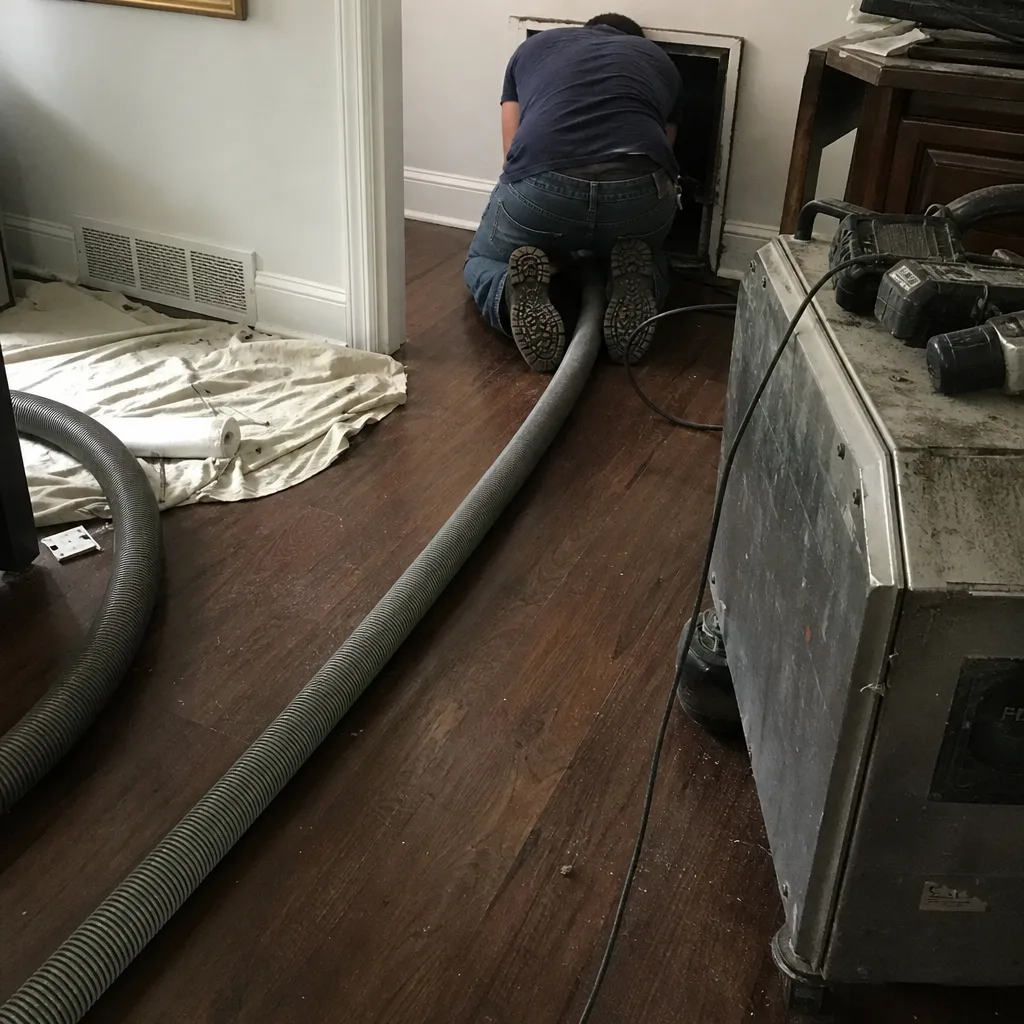 Before
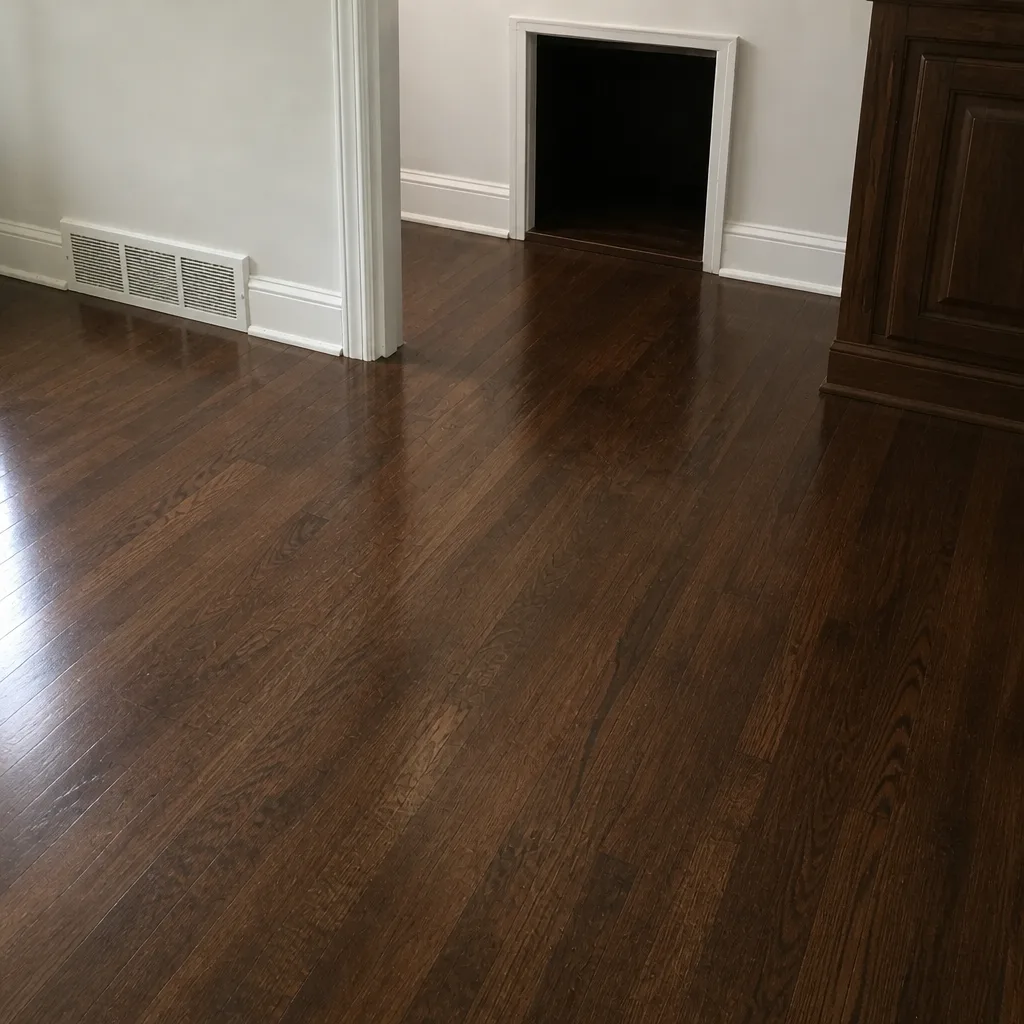 After
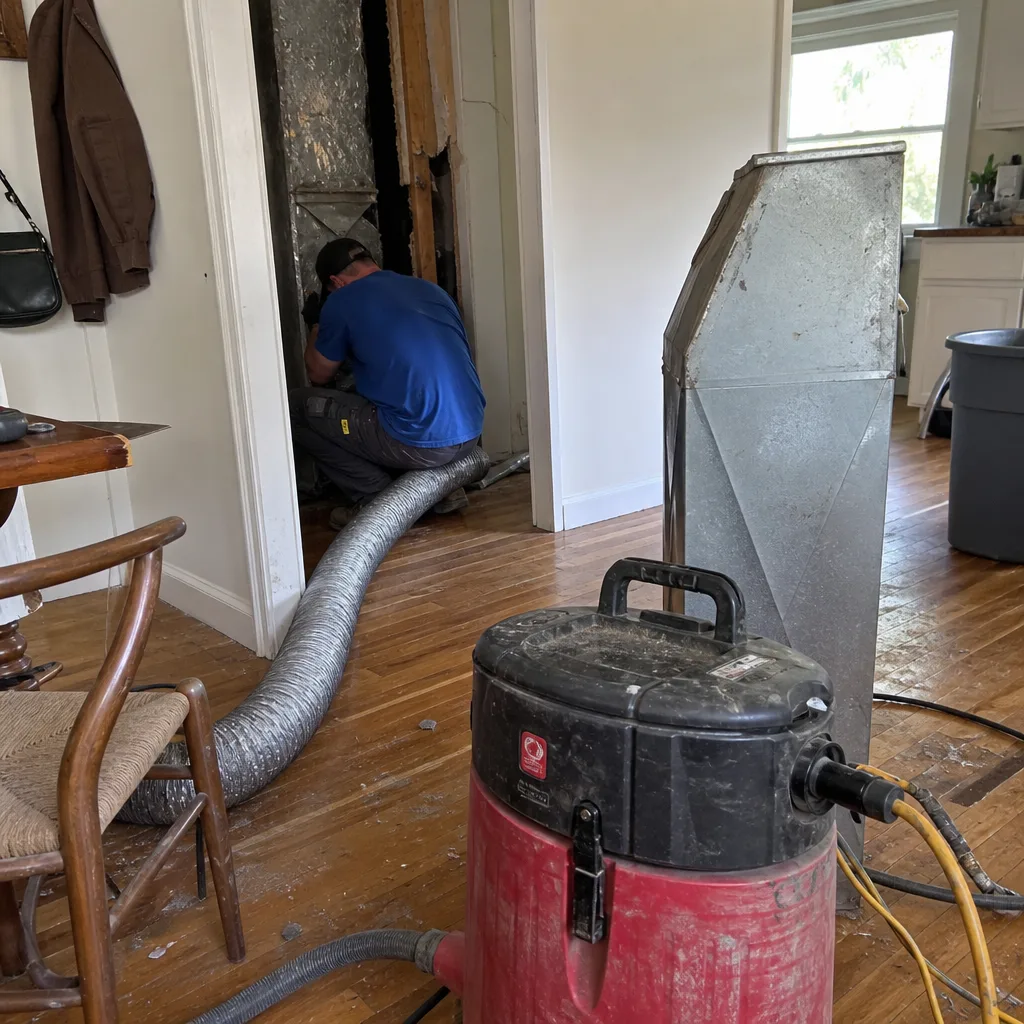 Before
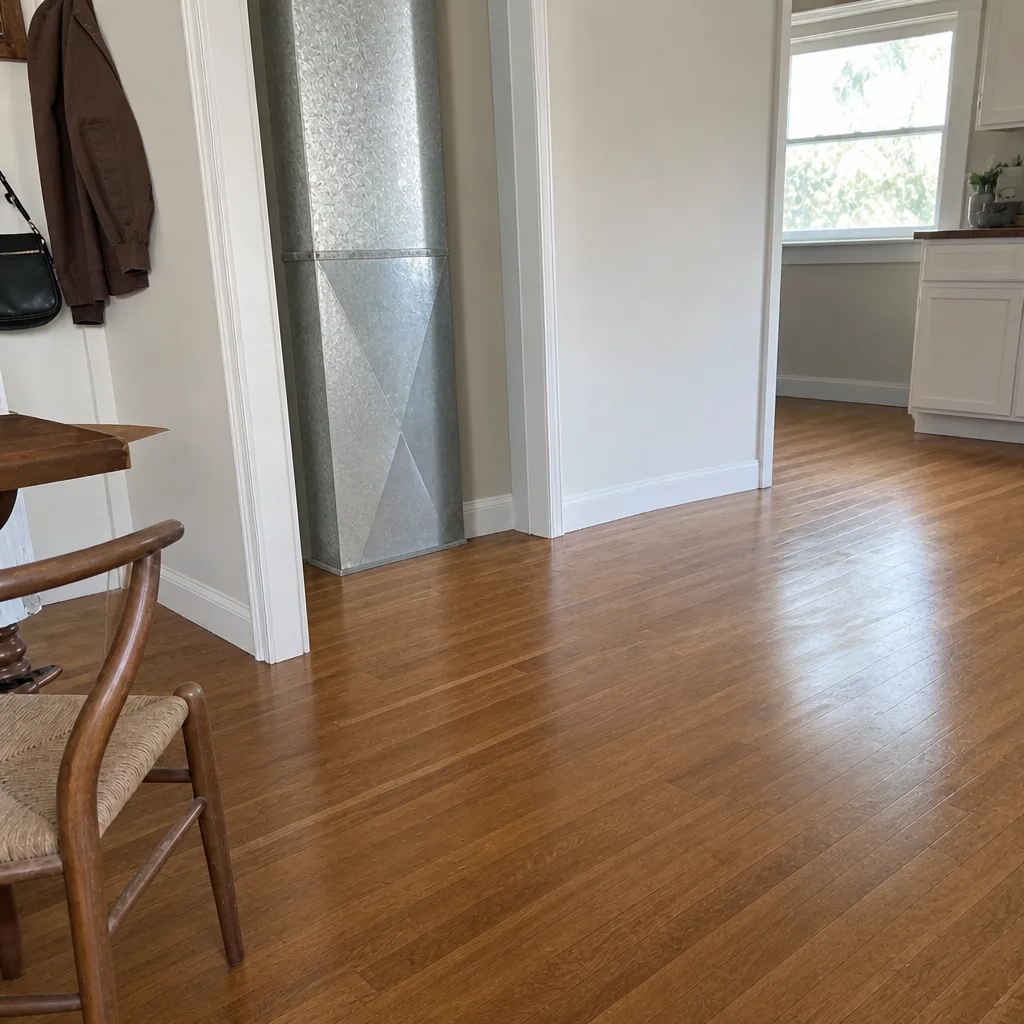 After
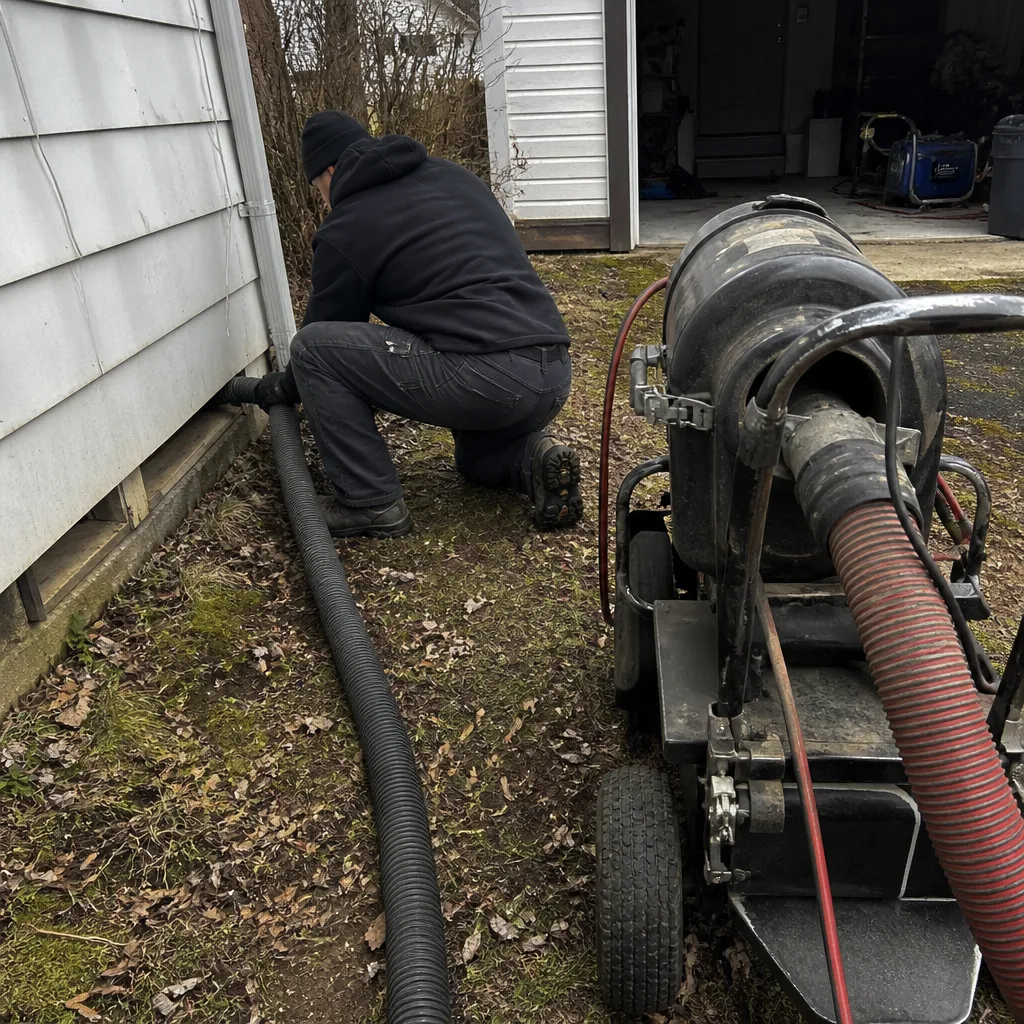 Before
 After
When to Call a Professional
Call a duct professional when water has reached the supply trunk or a return, when fire smoke has been pulled through the system, when a mold remediation is finishing but the ducts haven’t been addressed, or when your HVAC efficiency has dropped after an event and you suspect the duct interior. Don’t wait for a smell. The most reliable indicator of a problem is a moisture reading or a documented contamination event, not a nose. Air Duct Cleaning NoDa offers free estimates in NoDa and we can assess a system after a flood, fire, or remediation and give you a written scope you can hand to your adjuster. Call (833) 509-5357. We answer 24/7. Fast dispatch from 7am to 7pm, Sunday through Friday.
Frequently Asked Questions
Yes, in many cases rigid metal duct with intact insulation can be dried, verified, and then cleaned. Flex duct or any run where the liner has delaminated or become saturated is generally a replacement item rather than a cleaning item. The only way to know which category a run falls into is a physical inspection of the liner, not a look at the outside of the duct.
Microbial colonization can begin within days of water contact, especially in a warm, humid climate. That’s why drying verification is the first step in the response protocol, not an afterthought once cleaning is scheduled. The exact timeline depends on the duct material, the amount of water, and how quickly the system was shut down.
Because soot is chemically bonded to duct surfaces, not just settled as dust. Mechanical extraction removes the loose material but not the bond. A proper smoke remediation job includes a chemical desorption step after mechanical cleaning to remove the bonded residue. If your contractor didn’t do that step, the smell is likely to return.
After. Duct cleaning following a remediation produces the best result, because the remediation process itself generates airborne particulate that would re-contaminate a freshly cleaned system. The correct sequence is source remediation, remediation clearance (POST-remediation verification), duct cleaning, then air quality verification.
Often yes, but only if you give the adjuster a specific reason to include the duct system. That means documentation of the contamination mechanism (photos inside the duct, moisture readings on the liner) and a written scope from a duct contractor specifying the required work. Policies handle duct cleaning and duct replacement as separate line items, so ask which one applies to your job and get the answer in writing.
IICRC or equivalent certification for the specific type of work (water damage, fire, mold), professional containment and air filtration equipment, a documented moisture verification process, before-and-after photos of the duct interior, and a written scope before work begins. Air Duct Cleaning NoDa can come out and assess a NoDa home after a flood, fire, or remediation at no charge. Call (833) 509-5357 for an exact quote – estimates are free.
The Bottom Line
Emergency duct cleaning is a protocol, not a faster version of routine service. Water intrusion into ducts starts the clock on liner colonization, and drying verification comes before any cleaning. Fire and smoke contamination requires chemical desorption because soot bonds to duct surfaces where mechanical extraction alone won’t reach. Post-remediation work happens after the remediator’s clearance, not before, and it ends with air quality verification, not with a clean photo. For NoDa homeowners, the two things that matter most in a claim situation are documentation and order of operations. Get both right and the recovery is faster and cheaper. The team at Air Duct Cleaning NoDa offers free estimates in NoDa and can assess a system after any of these events. Call (833) 509-5357. We answer 24/7. Fast dispatch from 7am to 7pm, Sunday through Friday.
Written by the team at Air Duct Cleaning NoDa.