
Last updated November 23, 2026
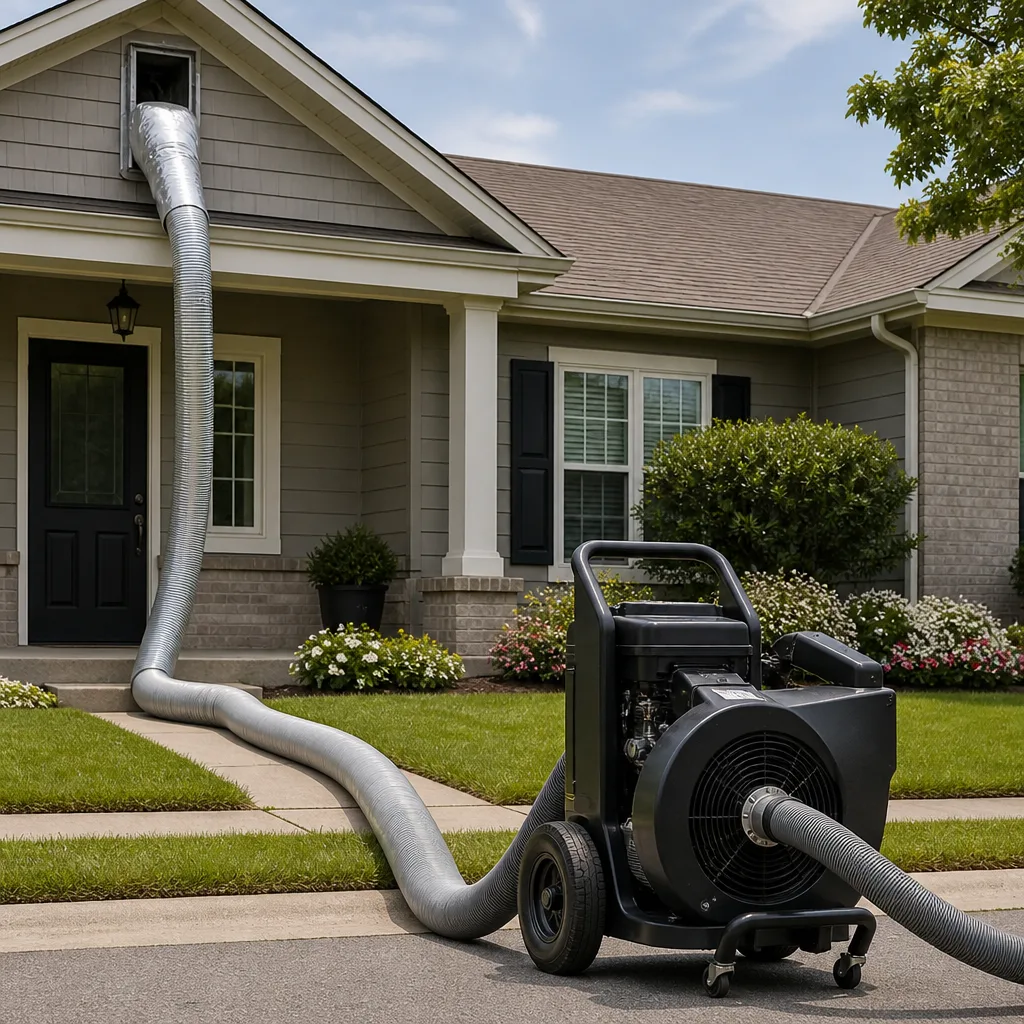 Whole-home duct cleaning
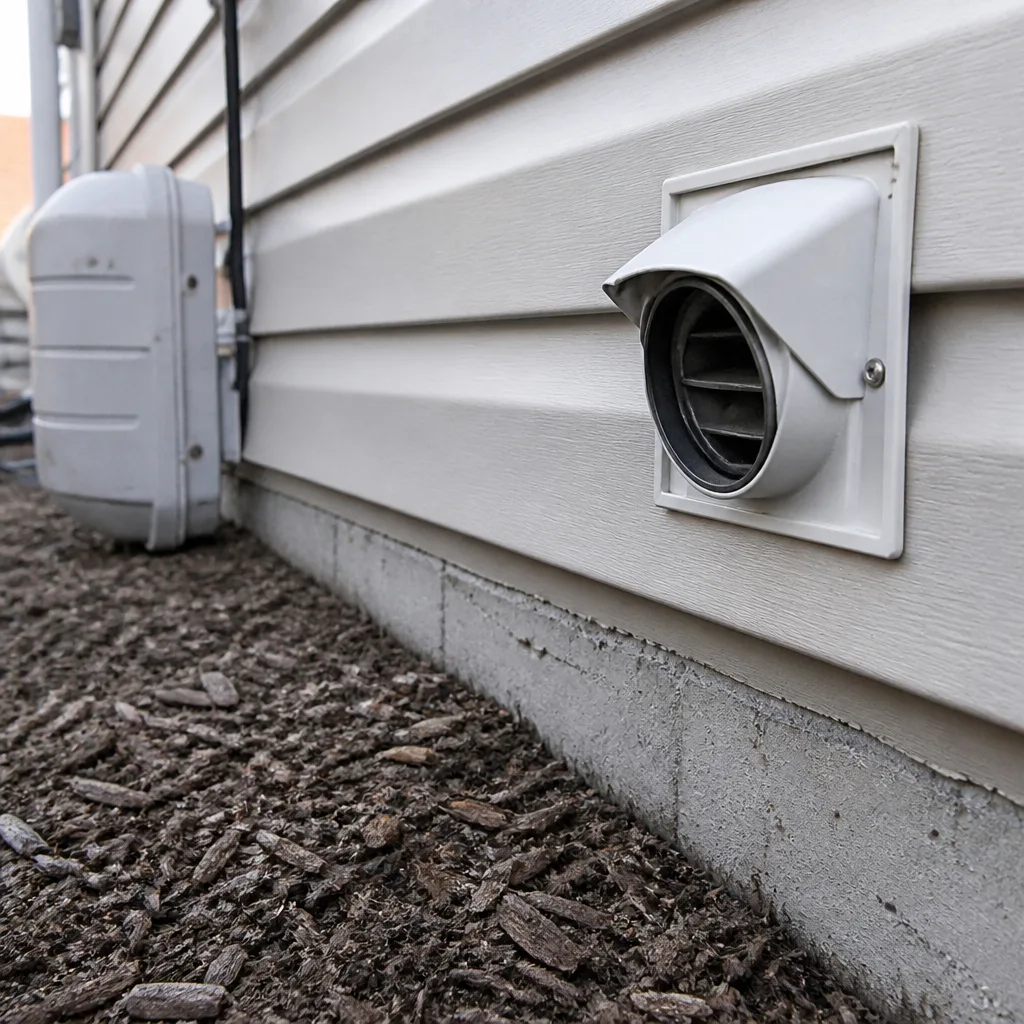 Dryer vent cleaning
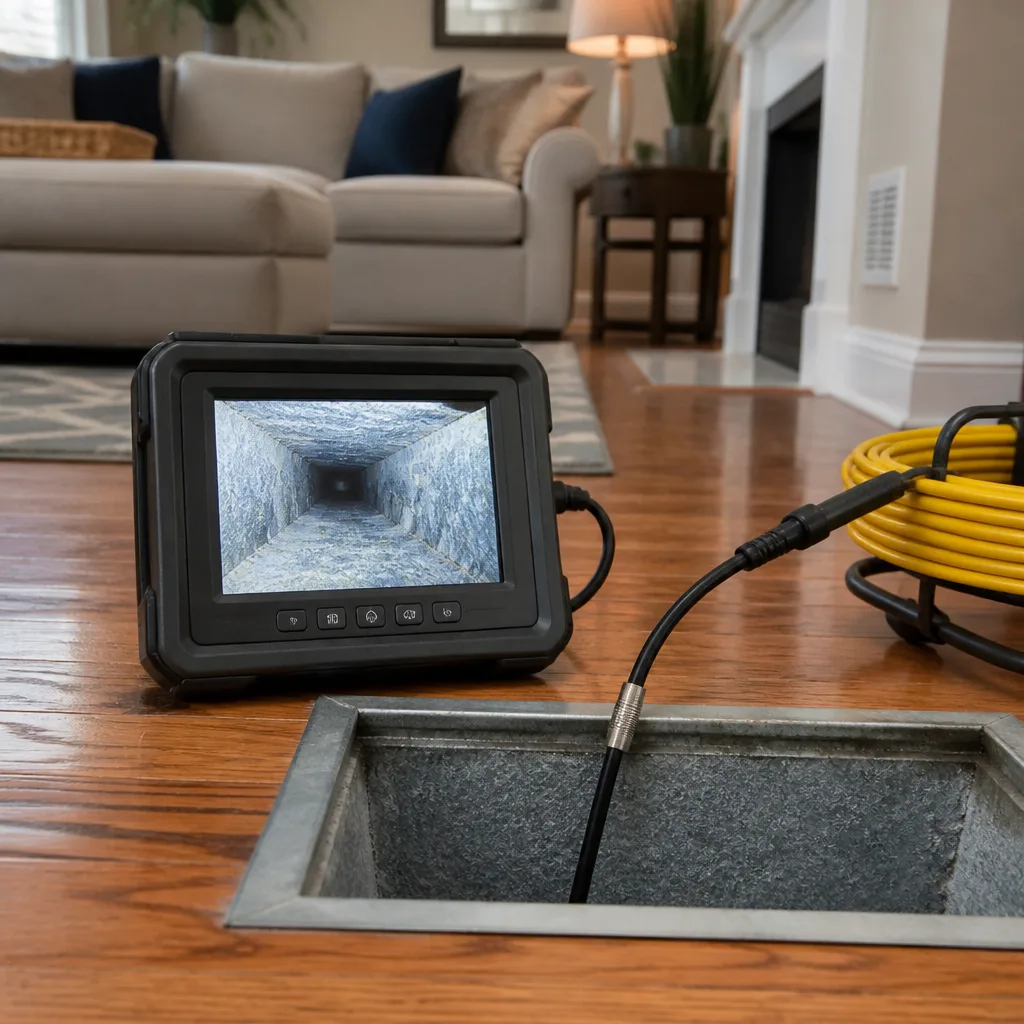 Camera inspection
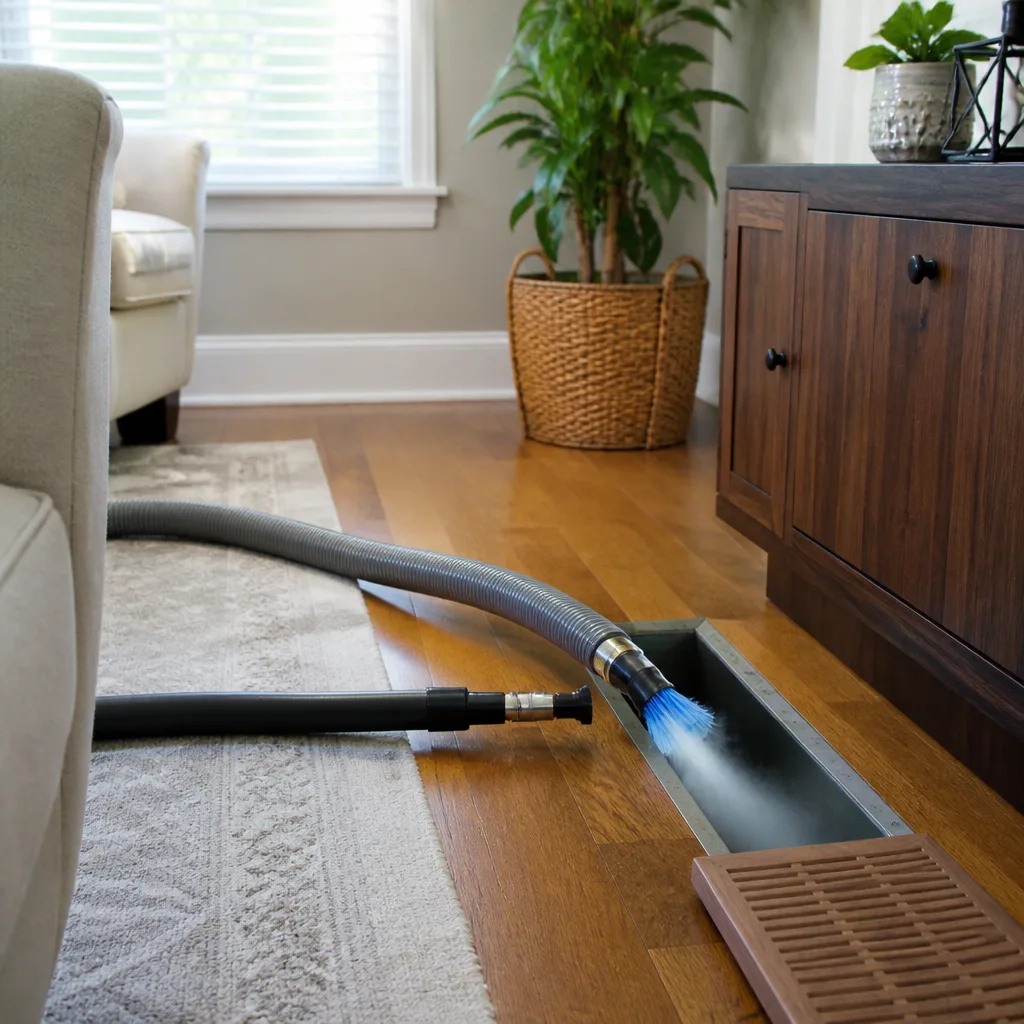 Sanitizing & deodorizing
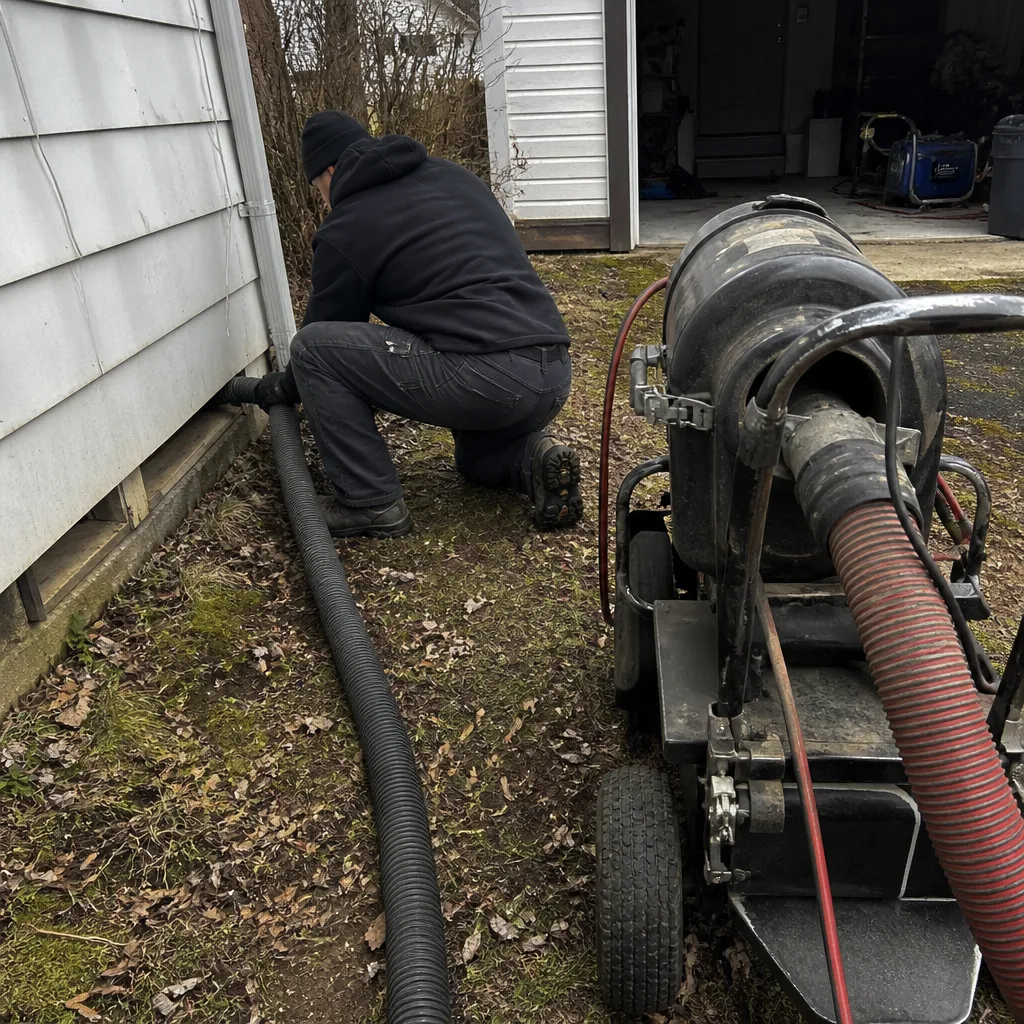
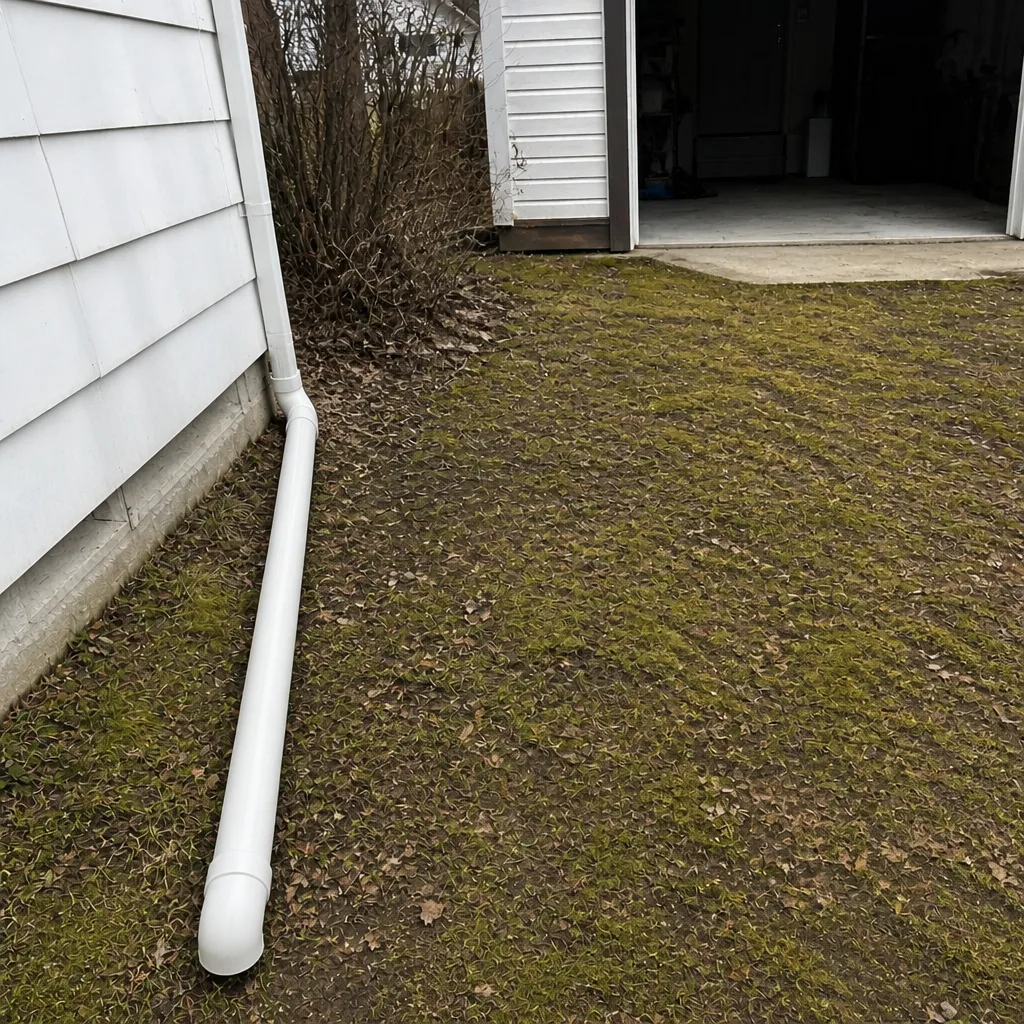
Whole-system duct and dryer vent check with before-and-after photos - you see exactly what came out of your vents
That "$99 whole-house special" is a bait ad - the real number appears once they are in your hallway, or the "clean" is a shop-vac at the register. We photograph the inside of your ducts before and after instead.
Air Duct Cleaning Cost Breakdown: The NoDa Homeowner’s Reference for 2026
A $149 quote and a $649 quote for the same house aren’t two prices for the same service. They’re usually two completely different scopes of work, and the gap almost always comes down to one question: is the contractor cleaning the duct system, or just the registers you can see from the hallway? Most homeowners in NoDa never get told which one they bought until the invoice arrives. This reference breaks duct cleaning down into its actual components – trunk lines, returns, plenum, coil, sanitizing – so you can price each part yourself and judge a quote against what it really delivers in 2026.
Styles & brands we work with
- Whole-home duct cleaning
- Dryer vent cleaning
- Camera inspection
- Sanitizing & deodorizing
Quick Answer
Air duct cleaning in NoDa typically runs $350 to $800 for a whole-house system in 2026, with most single-family bungalows landing near the middle of that range. Return-system cleaning, coil cleaning and sanitizing are separate line items that add real cost, and the final price should be set by a written estimate after someone actually looks at your ductwork. A quote far below that range usually means registers only, not the full system.
Table of Contents
- Why Duct Cleaning Quotes Vary So Much in NoDa
- What Each Component of the Job Actually Costs
- How NoDa’s Housing Mix Changes the Price
- Equipment Tiers: What Your Money Should Buy
- Add-Ons Worth Paying For vs. Upsells to Question
- Using Cost-Per-Linear-Foot to Compare Quotes
- How to Read a Duct Cleaning Quote Line by Line
- Common Mistakes to Avoid
- When to Call a Professional
- Frequently Asked Questions
- The Bottom Line
Why Duct Cleaning Quotes Vary So Much in NoDa
Two companies can hand you wildly different numbers for what sounds like the same job, and neither one is necessarily lying. They’re pricing different amounts of work. A register vacuuming – pulling the grilles off, running a shop vac into the boot, putting the grille back – is a short visit with minimal equipment. Cleaning the supply trunk lines, the return system, the plenum box at the air handler and the coil behind it is a different day entirely, with containment, negative pressure and rotary tooling.
The variation is compounded in NoDa because the neighborhood’s housing stock is so mixed. A 1930s bungalow off North Davidson Street was built before anyone thought about sealed, insulated flex duct. A 2015 townhome near the light rail has a tight mechanical closet and short, rigid runs. Those two systems take very different amounts of labor to clean properly, and a fair quote should reflect that.
Here’s what actually drives the number from job to job:
- Linear footage of ductwork. More pipe means more time. A long single-story crawlspace run is not the same as a compact two-story.
- Access. Ducts buried behind finished drywall, cramped closets and low attics all add labor. NoDa bungalows often have tight attic access that slows a crew down.
- Contamination level. Decades of dust, pet hair, rodent debris or renovation dust take longer and more passes than a lightly soiled system.
- Equipment brought to the house. A rotary brush system and a commercial HEPA vacuum cost far more to own and run than a portable shop vac.
- Scope of components. Registers only, or registers plus trunks plus returns plus coil. This is the single biggest swing factor in price.
- Add-on services. Sealing, sanitizing and dryer vent work are quoted separately or folded in, which can make two quotes look incompatible when they aren’t.
Once you understand that these six variables are what a contractor is actually pricing, the $149-vs-$649 gap stops looking mysterious. One quote covers three of these; the other covers all six.
What Each Component of the Job Actually Costs
Pricing duct cleaning as one lump sum hides everything useful. Priced as components, though, you can see exactly what a contractor is including and what they’re skipping. Here are typical 2026 ranges for the Charlotte market, broken out so you can compare apples to apples. Treat these as estimates only – the written estimate after an inspection sets the final price for your house.
- Supply trunk line cleaning: $180-$350. The main supply runs feeding each room. This is the bulk of most jobs; rotary brushing and negative-pressure vacuuming together take real time.
- Return system cleaning: $120-$250. Return ducts pull air back to the air handler and collect the most dust. Frequently left out of cheap quotes because returns are often bigger and harder to reach.
- Plenum box cleaning: $75-$150. The box at the air handler where the trunk connects. Gets heavily loaded with dust and is a common miss.
- Air handler coil cleaning: $150-$300. The evaporator coil sits behind the filter and catches everything the filter misses. Dirty coils steal efficiency; cleaning them is a genuine value add.
- Sanitizing application: $100-$200. A fogging or spray application after cleaning. Worth it if there’s musty odor, microbial growth or recent water intrusion. Otherwise optional.
- Whole-house package (all of the above): $350-$800 typical. A well-scoped full-system job in NoDa usually lands in this band.
Notice how the pieces add up. If you’re quoted $149 for a “full duct cleaning,” the math only works if most of those line items aren’t happening. That doesn’t automatically mean the contractor is dishonest; sometimes $149 genuinely means registers only, and the fine print says so. The point is to read what’s included before assuming the bottom line tells the story.
What a Proper Full-System Job Includes
When we scope a full-system job, here’s the sequence that should happen inside your home:
- Inspection and photos. Before any work starts, the system is inspected and the scope is confirmed. Ask to see the before photos.
- Containment setup. The work area is protected and dust is controlled with negative-pressure HEPA filtration – Abatement Technologies-grade equipment in our case – so the house doesn’t get a dust cloud as payment.
- Register and boot cleaning. Grilles come off, boots get vacuumed and brushed.
- Trunk and return cleaning. Rotary brush tooling (Rotobrush-class equipment) runs the length of the ducts, dislodging debris into a commercial vacuum.
- Plenum and coil cleaning. The air handler area and coil get cleaned as a separate step.
- Sanitizing, if selected. Applied after cleaning, never instead of it.
- After photos. You should get documentation that the work was actually done – photos of the inside of your ducts, before and after.
If your quote doesn’t mention steps 1, 2 and 7, that tells you something about how the contractor treats the job. Before-and-after photos are the cheapest trust signal in this trade and something a serious operation should offer as a matter of course.
How NoDa’s Housing Mix Changes the Price
NoDa is not a uniform neighborhood, and that matters for what a fair quote looks like. The housing stock splits into several distinct buckets, and each one changes the labor involved in a legitimate way.
1920s-1940s Bungalows
The older bungalows around North Davidson and East 36th streets often have original or partially updated ductwork. That means potential issues a newer house won’t have: unsealed joints that leak air into the attic, rigid metal duct that has been patched over the years, tight crawlspace and attic access, and duct runs that follow the original house footprint rather than a modern layout. Cleaning these takes more time, more sealing afterward, and more careful containment. A quote that treats a 1935 bungalow like a 2015 townhome is a quote written without looking.
2010s Townhomes and Infill
The newer townhomes and infill construction closer to the light rail usually have flex duct in tight mechanical closets and shorter runs. Cleaning is faster, but access can be awkward – a cramped closet means the technician is working in a small space with limited room to maneuver. Flex duct also requires gentler tooling than rigid metal, because aggressive brushing can tear the liner. A company that uses the same tool on every material isn’t calibrating to the house.
Renovated and Flipped Homes
NoDa has had plenty of renovation activity, and a flipped house often has ductwork that was modified during the project. New runs tie into old, and construction dust – drywall, sawdust, insulation fibers – gets pulled into the system during finishing. A house that was gutted and rebuilt two years ago can have duct contamination more like a new build than an old one, but the dust composition is different. This is where sanitizing after cleaning actually earns its cost.
The practical takeaway: legitimate price variation in NoDa tracks the house, not the mood of the contractor. If two quotes differ by hundreds of dollars, ask each one how they’re accounting for your specific ductwork – the age, the material, the access. The answer will tell you whether the difference is earned or whether one of them priced a job they never inspected.
Equipment Tiers: What Your Money Should Buy
Price tier and equipment tier should line up. When they don’t, you’re either overpaying or getting a service that can’t deliver what was promised. Here’s how to match what you’re paying to what should show up at the door.
Consumer-Grade (the $99-$199 Tier)
Shop vacs, hand brushes, portable wands. This equipment can brush the inside of a register boot and vacuum a short duct run, but it can’t generate the airflow or agitation to properly clean a whole trunk line. It also can’t contain dust during the job, so the work area gets a light coating of whatever comes loose. This tier is fine for register-only service and not much else. If a company’s quote is in this band, confirm they’re not claiming full-system cleaning.
Portable Industrial (the $300-$600 Tier)
Portable HEPA vacuums and rotary brush systems like Rotobrush are the honest workhorse tier for residential duct cleaning. They generate strong negative pressure, allow rotary brushing of trunk lines, and pair with containment equipment to keep dust out of the living space. This is the tier most professional residential jobs should fall in, and it’s where a typical NoDa whole-house quote belongs.
Truck-Mount or Contractor-Class (the $500-$800+ Tier)
Large truck-mounted vacuums or commercial-grade portable units – the Nikro-class equipment used by commercial and restoration contractors – pull far more air and handle heavier contamination. For a heavily loaded 1930s bungalow, a home with pet debris or a system recovering from a renovation, this tier is worth the cost. For a lightly soiled modern townhome, it may be more than the job needs.
Here’s the question to ask every contractor: what equipment will you actually use on my job, and can you show me photos of it in use in a home? A company that uses professional-grade brands like Rotobrush and Nikro on every job will tell you plainly. A company renting a shop vac for the day will change the subject.
The reason this matters isn’t brand loyalty to the equipment manufacturers – it’s that the equipment is the entire reason professional duct cleaning costs more than a vacuum rental. If the price reflects professional equipment but the service doesn’t, you paid for something you didn’t get.
Add-Ons Worth Paying For vs. Upsells to Question
Every duct cleaning quote has a menu attached, and some items on it are genuinely worth the money. Others are priced for the contractor’s margin, not your system. Here’s a straight read on the common add-ons.
Add-Ons With Real Value
- Duct sealing: $200-$500 typical. Sealing leaks in the trunk and return system stops air loss into the attic or crawlspace. In older NoDa bungalows with original ductwork, this is often the single highest-value item on the list. It directly affects HVAC efficiency, which is a number you’ll feel in your bills.
- Dryer vent cleaning: $100-$250 typical. This one is a safety item, not a comfort upgrade. Lint accumulation in a dryer vent restricts airflow and creates a fire risk that most homeowners don’t think about. It’s worth doing on its own schedule, separate from duct cleaning. See dryer vent cleaning for what that job involves in a NoDa home.
- HVAC cleaning (air handler, blower, coil): $150-$350 typical. A dirty blower wheel and coil reduce airflow and system efficiency. Cleaning them at the same time as the ducts makes sense because the system is already open. HVAC cleaning is a distinct service worth understanding before you bundle it.
- Air quality upgrades: Whole-home filtration and humidification products (Honeywell and Aprilaire are the common names) are worth considering after the system is clean, not before. Clean first, then upgrade. Installing a filter on a dirty system just loads it faster.
Add-Ons to Question
- Repeated sanitizing on every visit: Sanitizing after a thorough cleaning is reasonable. Where there’s no odor, no microbial growth and no recent water event, it’s optional. Treat it as a choice, not a requirement.
- “Antimicrobial coatings” sold as permanent protection: These don’t replace cleaning. If the ducts are clean, the coating is a nice-to-have. If they’re dirty, no coating fixes that.
- Duct repair quoted sight-unseen: If a company quotes repair without having looked inside your ducts, the number is a guess. Repair should be diagnosed after inspection, not bundled into a phone quote.
The pattern is this: things that improve system performance or reduce risk are worth paying for. Things that sound like health insurance for your air are usually margin.
Using Cost-Per-Linear-Foot to Compare Quotes
Two quotes for $500 each can cover wildly different amounts of ductwork. To normalize them, calculate cost per linear foot of duct cleaned. It’s the single best way to compare proposals that were scoped differently.
How to Calculate It
- Ask each contractor for the linear footage they’ll clean. A serious proposal states this. If they won’t tell you, that’s an answer in itself.
- Confirm the footage includes both supply and return. Some quotes count supply only. Ask specifically.
- Take the total quote amount (excluding add-ons like sealing or dryer vent) and divide by the total footage. A $600 quote for 150 feet of supply-plus-return duct is $4 per foot. A $149 quote for 40 feet of registers only is $3.73 per foot but covers a fraction of the system.
- Compare the resulting numbers. In the Charlotte market, full-system professional cleaning typically normalizes to roughly $3 to $6 per linear foot, depending on contamination, access and equipment. A per-foot number well below that usually means less duct is being cleaned, not that you got a deal.
The math isn’t perfect – a heavily contaminated system legitimately costs more per foot – but it makes the invisible visible. If you can’t get the footage, ask why. A contractor doing real work knows how much duct they’re cleaning because they had to price the time.
You can also ask for the report in a different way: how many vents, how many returns, how many trunk runs. Multiply out to a rough total. Different contractors will describe it differently, but the total is the total.
How to Read a Duct Cleaning Quote Line by Line
A quote is a promise about scope, and the scope is where the value lives. Before you sign anything, read the proposal against this checklist. A strong quote will answer most of it directly; a weak one will leave gaps you can ask about before committing.
- Does it list the components separately? Supply, return, plenum, coil, sanitizing. If it’s one lump line, you don’t know what you’re buying.
- Does it state the linear footage? This is the anchor for the cost-per-foot comparison above.
- Does it name the equipment? Not “professional equipment” as a phrase – the actual system.
- Does it promise before-and-after photos? This is the proof-of-work that separates documentation from a claim. Ask to see an example.
- Is the price flat per system? One price for the whole system, agreed before work starts, is the honest structure. Per-vent pricing is where a low opener quietly becomes a much larger invoice.
- Does it say what’s excluded? Sealing, repair, dryer vent – if they’re not on the quote, they’re not in the price.
- Does it state the written estimate as the final price? It should. Everything else is a phone estimate.
A quote that survives all seven questions is worth comparing fairly on price. A quote that fails several is worth comparing on scope before you compare on the total. If you’re not sure where to start, our air duct cleaning page walks through the process end to end, and the Air Duct Cleaning NoDa home page covers the full range of services we handle.
Common Mistakes to Avoid
- Comparing bottom-line numbers without comparing scope. A cheaper quote for fewer components isn’t cheaper, it’s different. Ask each contractor what they’re cleaning, then compare the amounts.
- Accepting a phone quote as a firm price. Prices should be set per job by a written estimate after inspection. A number given before anyone looks at your ductwork is a starting point, not a commitment.
- Skipping a look at the equipment. If the crew arrives with a shop vac and a hand brush, you’re getting register cleaning at full-system prices. Confirm the equipment during the quote conversation.
- Bundling sealing and duct repair into the initial quote before inspection. In older NoDa bungalows, leaks and repairs are common, but they should be diagnosed after cleaning, not guessed at beforehand.
- Dismissing the dryer vent as a minor matter. It’s a fire risk, not a nuisance. Worth having checked on its own schedule regardless of whether you do duct cleaning this year.
- Letting a contractor skip the documentation. No before-and-after photos means no verifiable proof the work happened. This is the cheapest accountability in the trade and there’s no reason to accept less.
- Believing that a fresh scent means clean air. A fogger can mask odor for a week. Photos of clean duct interiors last longer.
When to Call a Professional
Not every home needs duct cleaning, and we’d rather tell a NoDa homeowner they can wait than sell a service that won’t help. Most homes do fine on a schedule of every three to five years, sooner if you smoke indoors, have pets, have had a renovation or water event, or notice dust buildup returning faster than it should. Call us when the signals are specific: visible dust clouds from registers when the system kicks on, musty odor that persists after a filter change, allergy symptoms that worsen indoors, or an HVAC system that’s running harder than it used to for the same comfort. Call us also when a dryer is taking two cycles to dry a load – that’s a dryer vent matter worth checking and not something to defer. Air Duct Cleaning NoDa offers free estimates in NoDa – call (833) 509-5357. We answer 24/7. Fast dispatch from 7am to 7pm, Sunday through Friday.
Frequently Asked Questions
Whole-house air duct cleaning in NoDa typically runs $350 to $800 in 2026, with most single-family bungalows landing mid-range and smaller townhomes landing lower. Add-ons like duct sealing, dryer vent cleaning or sanitizing are separate line items and can raise the total. The final price should be set by a written estimate after inspection. Call (833) 509-5357 for an exact quote – estimates are free.
Cheap quotes are usually a different service: register-only cleaning, no return system, no plenum or coil, minimal equipment and no documentation. That’s legitimate work at a legitimate price if it’s what you want – but it isn’t full-system cleaning, and it shouldn’t be compared against quotes that are. Ask each contractor what components they’re cleaning and which equipment they’ll use. The gap will usually explain itself. Call (833) 509-5357 if you’d like us to price your system honestly per component.
Ask for before-and-after photos of the inside of your ducts, plus a written report of which components were cleaned. A contractor with nothing to hide will offer the photos without being asked. We take them on every job because they’re the only verifiable proof of work in this trade. Call (833) 509-5357 to see an example before you book.
Every three to five years is a reasonable general schedule for most homes, and many homes go longer without problems. Shorten the interval if you have pets, smoke indoors, have had a renovation or water damage, or notice dust returning faster than expected. Clean air and a working system are the goal, not cleaning on a calendar. Call (833) 509-5357 for a free assessment of whether your system is due.
Yes, legitimately. A 1930s bungalow typically costs more than a 2015 townhome to clean because of duct material, access and contamination level – tight attic access, older rigid metal duct with patched joints and heavier dust loads all add labor. A quote that ignores the house isn’t a quote for your house. Call (833) 509-5357 for a NoDa-specific estimate based on your actual system.
Dryer vent cleaning is worth doing on its own schedule because lint buildup is a fire risk, not a comfort issue. Bundling it with duct cleaning saves a separate visit, but the two are independent services with independent value. If your dryer takes longer than it used to, the vent is the first item to check. Call (833) 509-5357 to book it as a standalone or alongside duct cleaning.
The Bottom Line
Duct cleaning prices in NoDa vary because scope varies, and the component breakdown is what makes that visible. A fair quote lists what’s being cleaned (supply, return, plenum, coil, sanitizing), states the linear footage, names the equipment, and sets a flat price per system in writing before work starts. When you compare quotes on cost-per-linear-foot rather than bottom line, the cheap ones usually reveal themselves as register-only, and the mid-range ones reveal themselves as honest. Pay for the equipment and the scope, expect before-and-after photos, and don’t buy upgrades that add margin without adding value. The written estimate is the price, and no coupon should change that.
If you’d like a straightforward price for your NoDa home – broken down by component, with the equipment and scope spelled out – call Air Duct Cleaning NoDa at (833) 509-5357 for a free estimate. We answer 24/7. Fast dispatch from 7am to 7pm, Sunday through Friday. Our technicians have up to 8 years of experience, and every job includes before-and-after photos along with a satisfaction guarantee. We bring professional-grade Rotobrush rotary brush systems, Nikro HVAC cleaning equipment and Abatement Technologies containment to residential jobs, and we can recommend air quality upgrades from Honeywell and Aprilaire once the system is actually clean. Call (833) 509-5357 or send us a message to book an estimate in NoDa.
Written by the team at Air Duct Cleaning NoDa.
See the difference
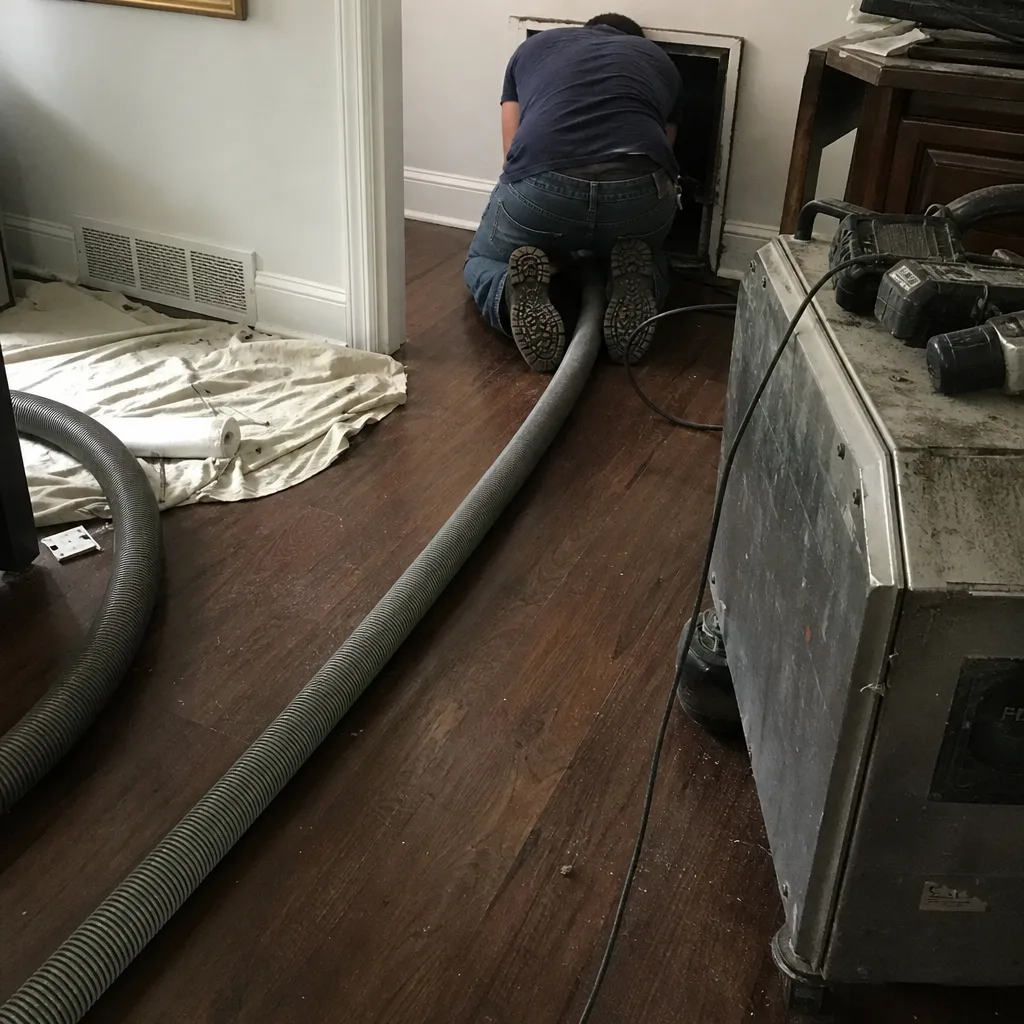 Before
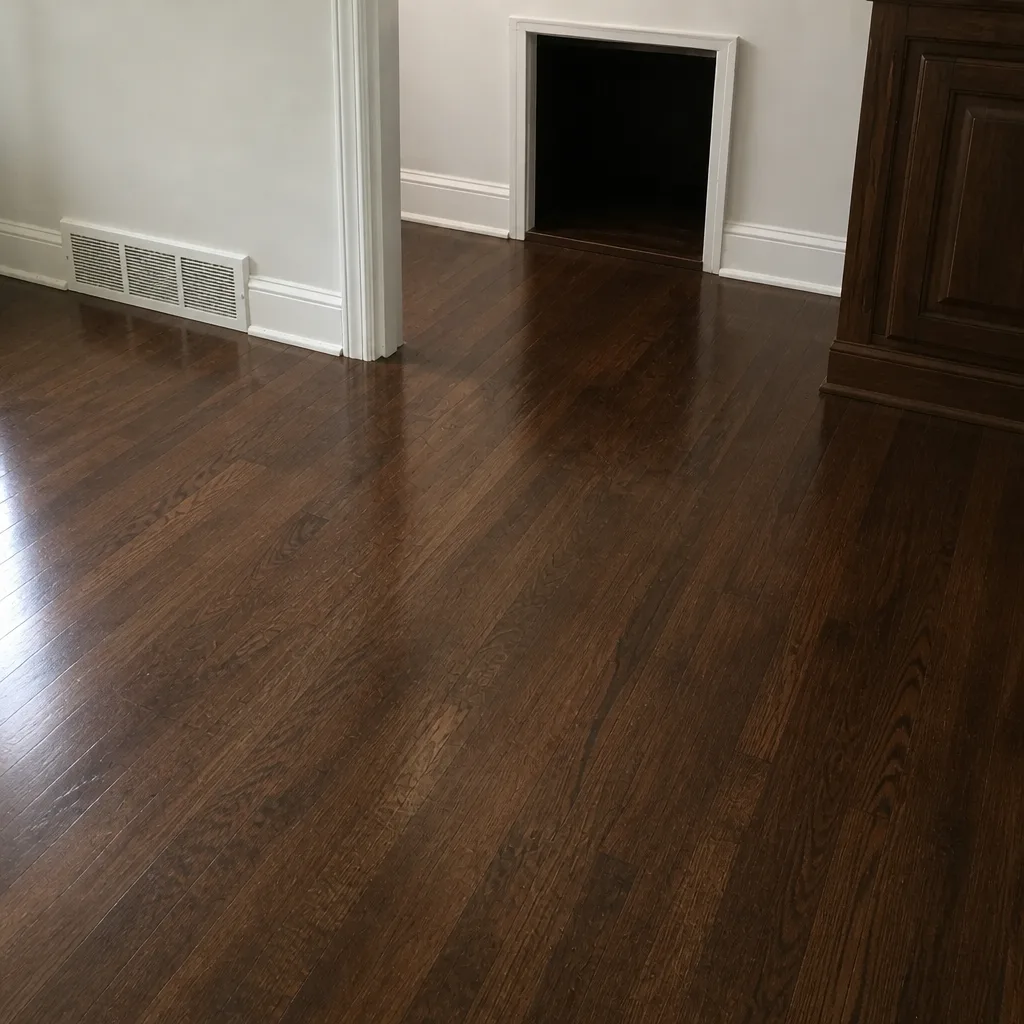 After
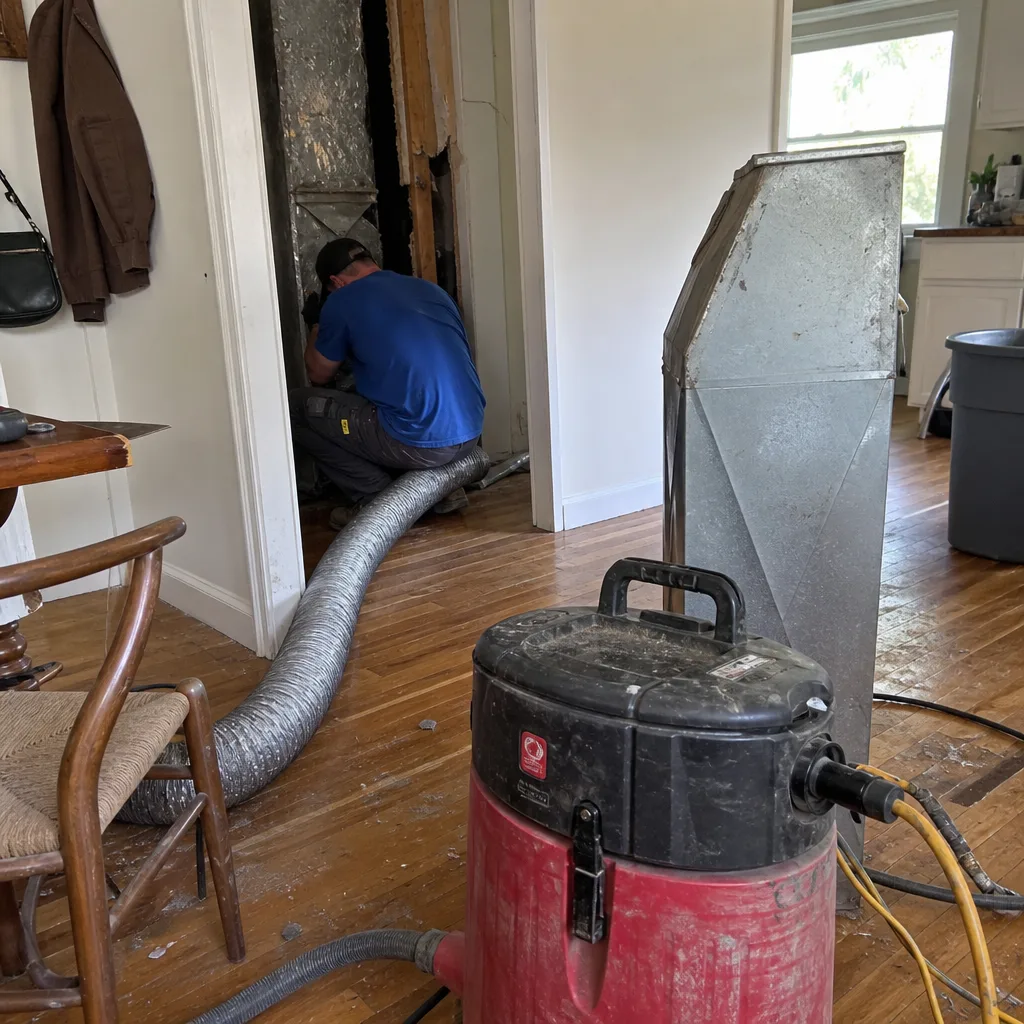 Before
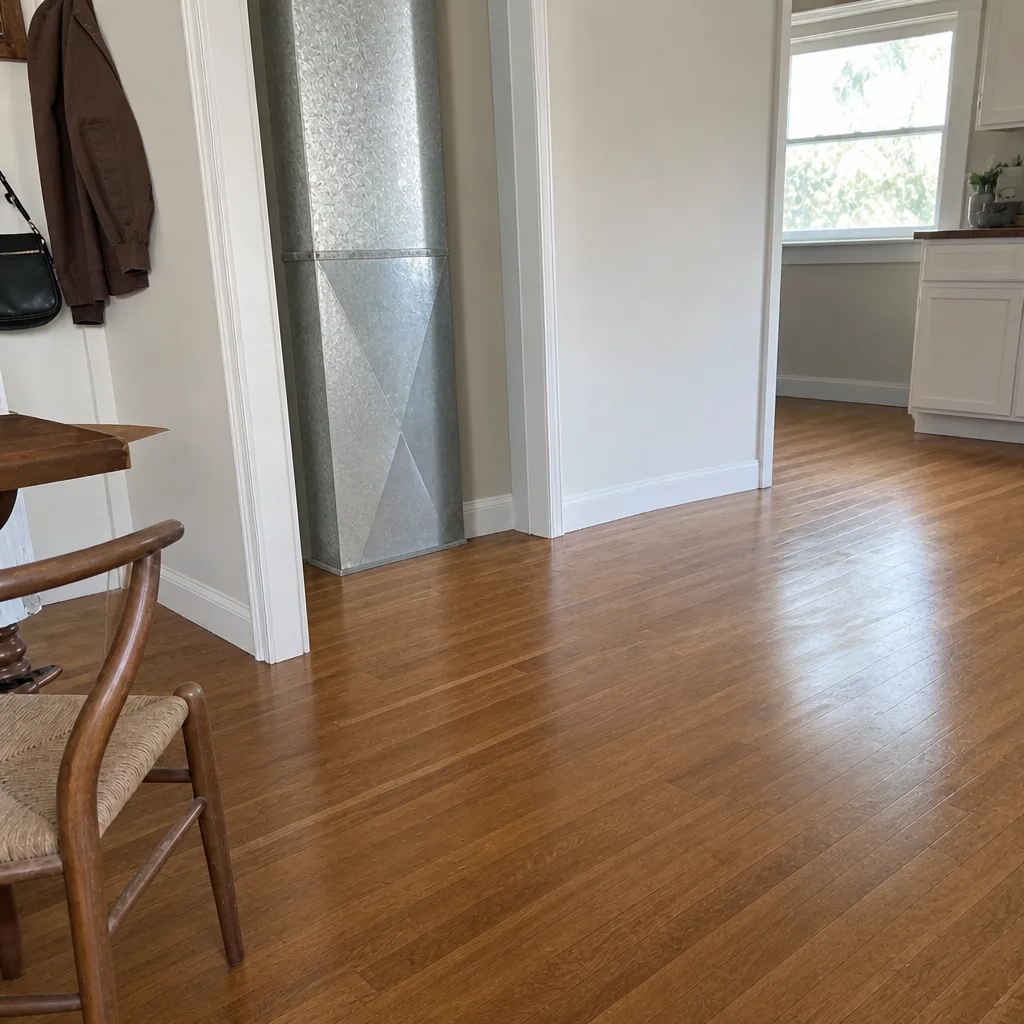 After
 Before
 After