
Last updated November 23, 2026
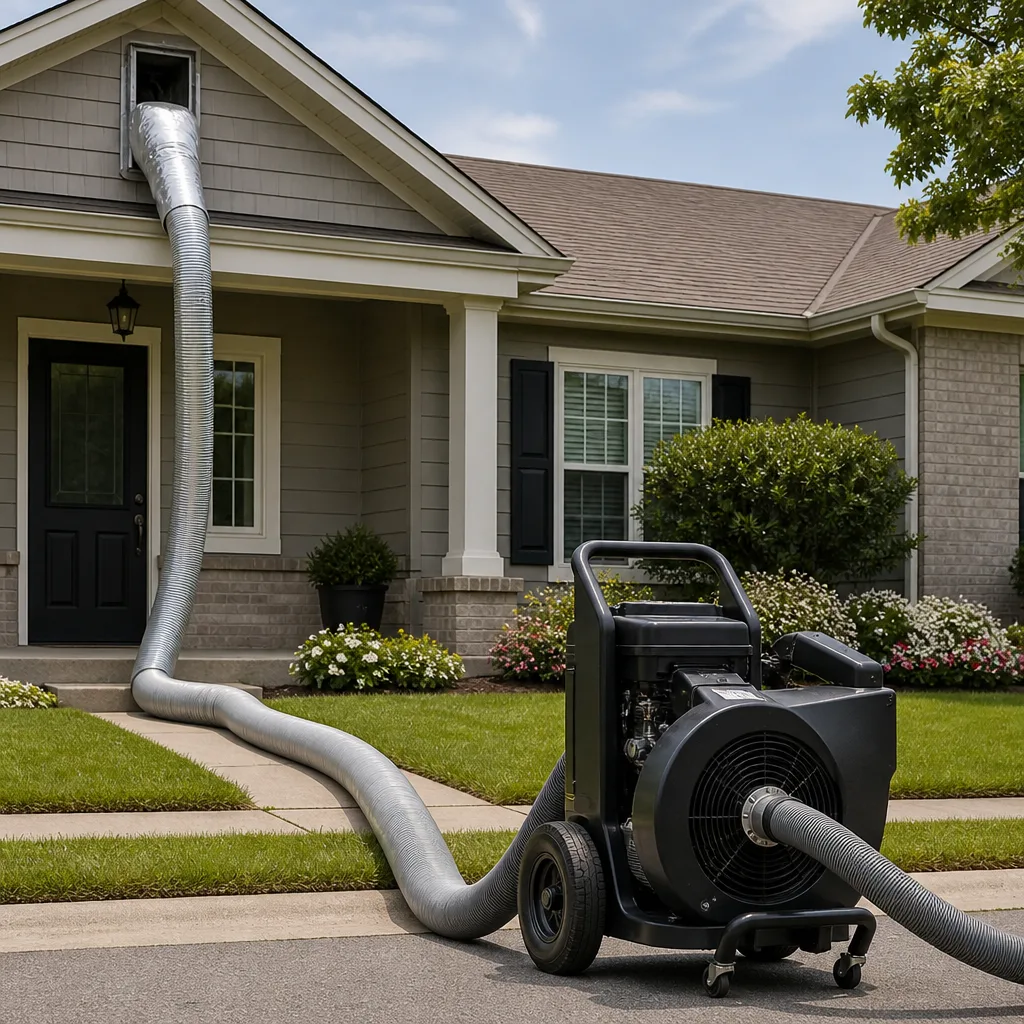 Whole-home duct cleaning
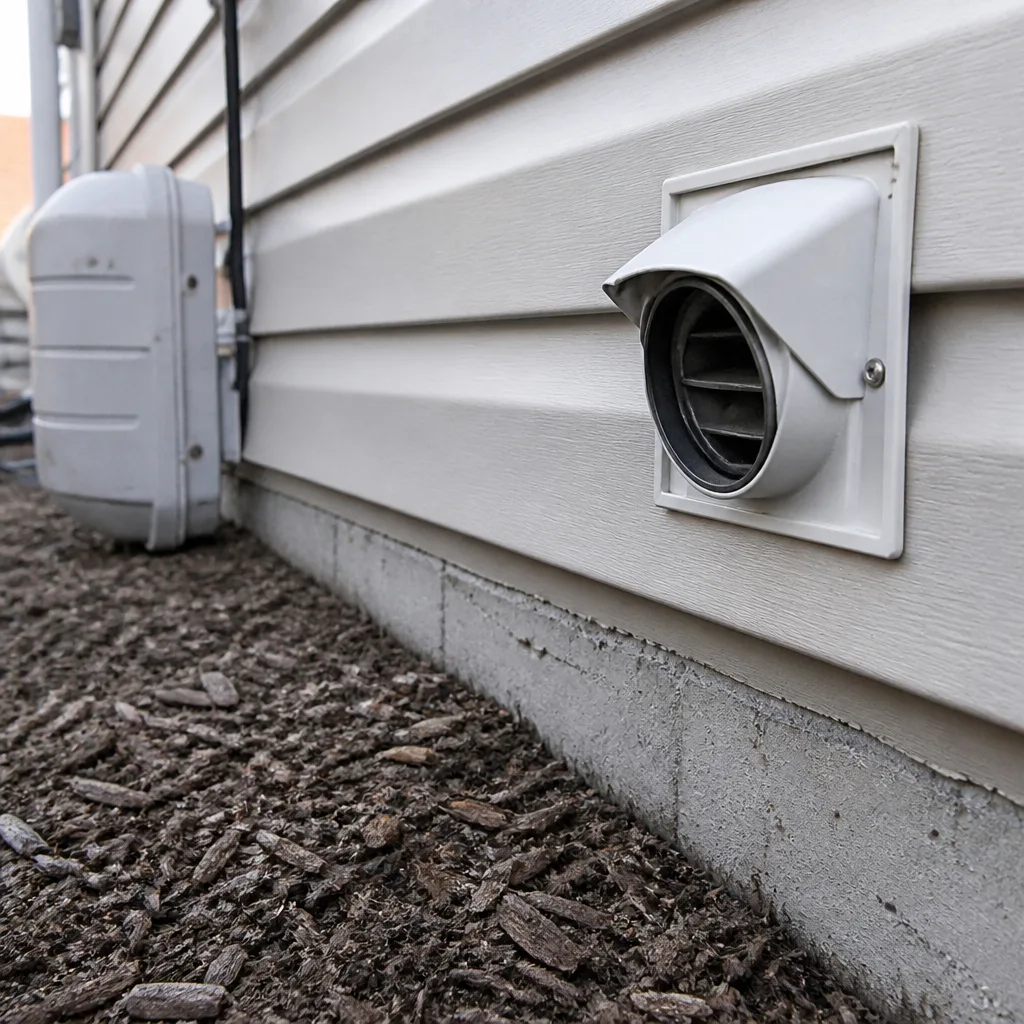 Dryer vent cleaning
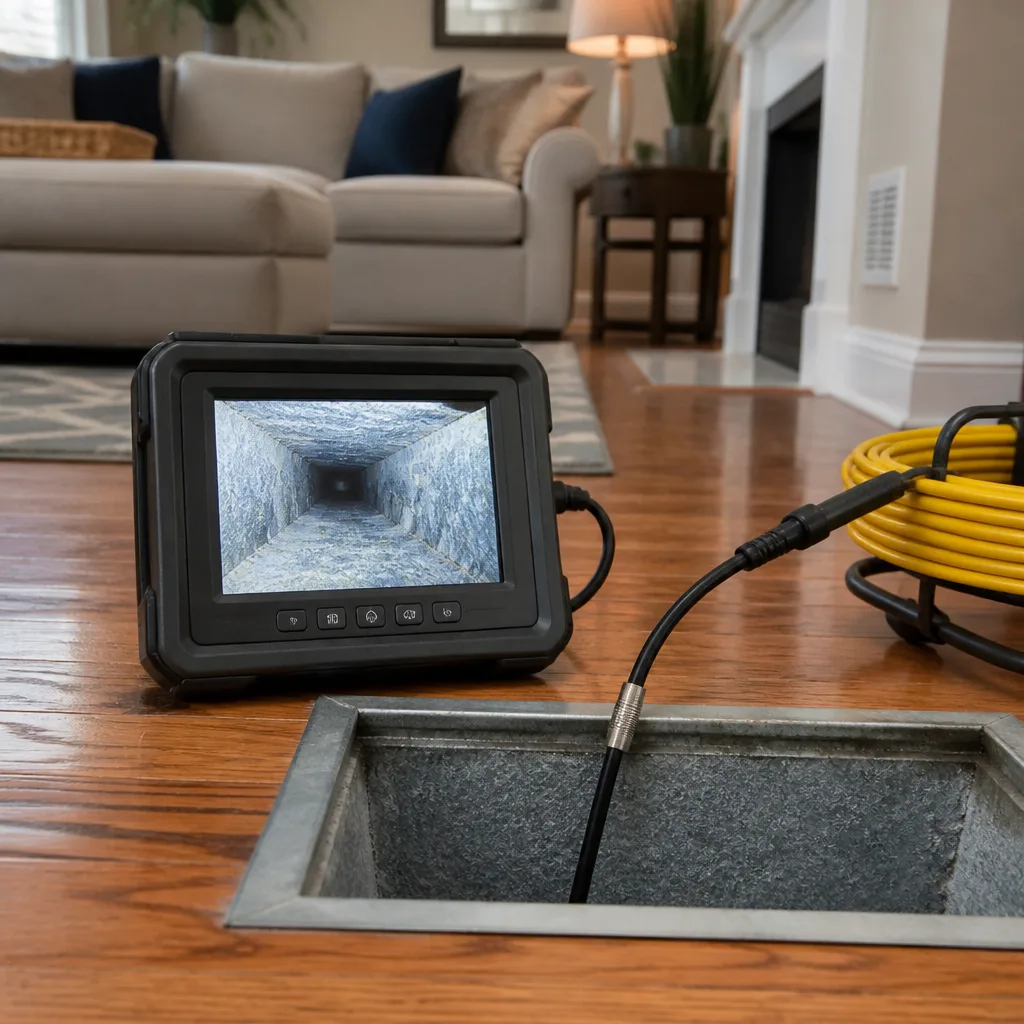 Camera inspection
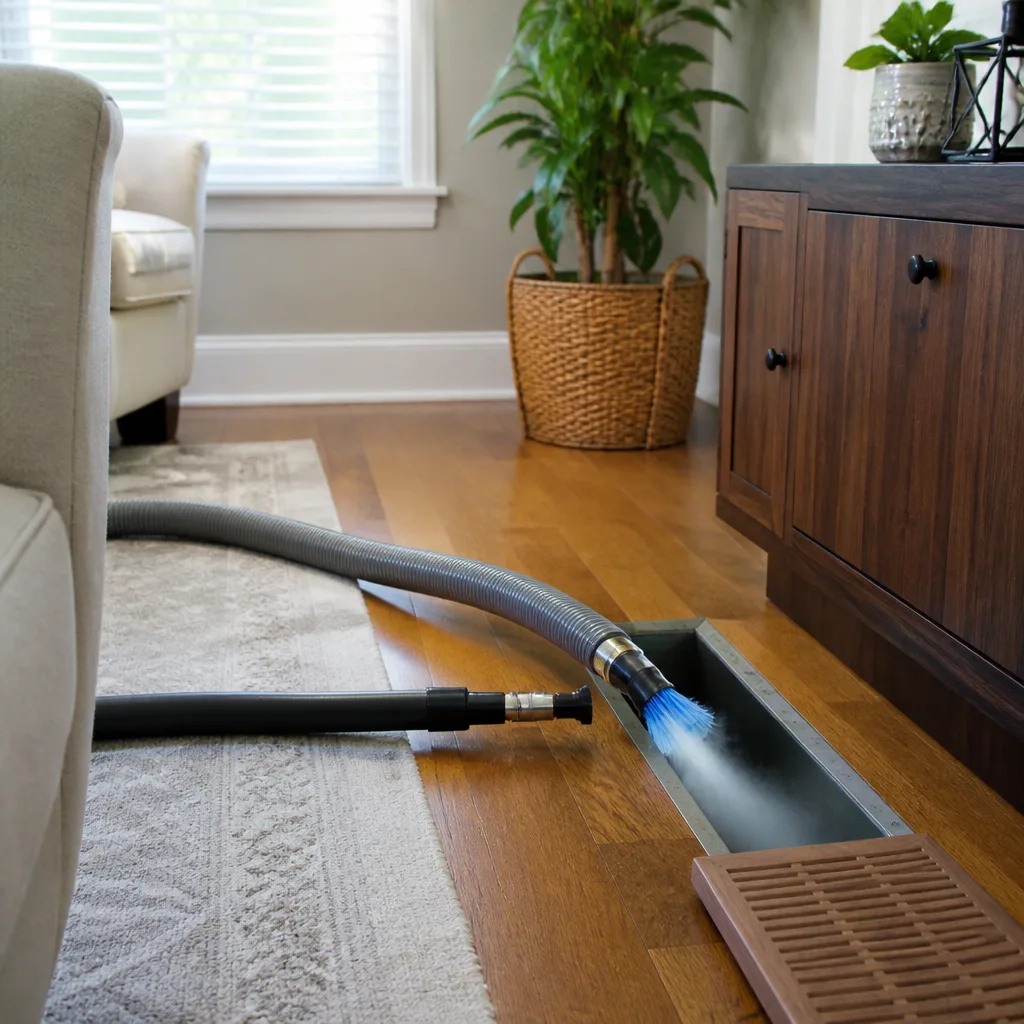 Sanitizing & deodorizing
Whole-system duct and dryer vent check with before-and-after photos - you see exactly what came out of your vents
That "$99 whole-house special" is a bait ad - the real number appears once they are in your hallway, or the "clean" is a shop-vac at the register. We photograph the inside of your ducts before and after instead.
How to Hire an Air Duct Cleaning Contractor in NoDa: A Step-by-Step Guide
The $99 “whole-house special” that lands on doorsteps around Charlotte relies on a fact most homeowners never learn: a portable box vacuum moves a fraction of the air that a truck-mounted or industrial unit does. Negative pressure is the whole game. If the machine can’t pull hard enough to drag debris out of the trunk lines and returns, the crew is really just wiping registers and stirring dust back into your living room. Hiring the wrong contractor in NoDa isn’t just a wasted invoice. It can scar older ductboard, put stress on the air handler, and leave loosened debris sealed in a system you can’t see. This guide walks through the technical questions, quote-reading, and red flags that separate a real cleaning from a cosmetic one.
Quick Answer
To hire an air duct cleaning contractor in NoDa, verify three things before you book: the equipment (a rotary brush system like Rotobrush plus an industrial negative-pressure unit, not a shop vac), the contractor’s North Carolina licensing and liability coverage for HVAC-adjacent work, and the written scope, which must name supply trunks, return plenums, and air handler access rather than just registers. Ask for before-and-after photos of your own system and a list of any sanitizing agents used. A quote that answers all of those is usually the right hire.
Styles & brands we work with
- Whole-home duct cleaning
- Dryer vent cleaning
- Camera inspection
- Sanitizing & deodorizing
Table of Contents
- Why the equipment matters more than the price
- Equipment questions to ask before you book
- What licensing and insurance a North Carolina contractor should carry
- How to read a quote: scope, not sticker
- Red flags in contractor communication
- Questions about sanitizing agents and mold treatment
- Working with a vetted local professional in NoDa
- Common mistakes to avoid
Why the Equipment Matters More Than the Price
Air duct cleaning is a physics problem before it’s a service problem. You’re trying to remove settled particulate from a closed network of sheet metal and flexible duct, and the only way to do that without redistributing it is to pull continuous negative pressure at the source while mechanically agitating the walls. A rotary brush system like Rotobrush does the agitation. A high-CFM vacuum unit like a Nikro HVAC cleaning unit does the extraction. Neither one alone gets it done.
We’ve seen what happens when a crew shows up with a portable canister vacuum and a shop-vac mentality. The bristles free debris from the duct walls, but the vacuum can’t move enough air volume to carry it away, so it settles in the next joint or blows out the nearest register. The homeowner sees a clean vent cover and assumes the system was cleaned. It wasn’t. It was shuffled.
In NoDa, the housing stock adds a wrinkle. Many homes here sit in renovated mill-era buildings or older bungalows where the original ductwork has been reworked, patched, or transitioned to flex. That kind of system needs gentler brush control and more careful pressure management than a straight-shoe metal trunk. Without it, a rotary brush can abrade flex liner or pop a taped joint. Professional-grade tools with adjustable speed and a containment setup like Abatement Technologies filtration keep that risk contained.
The negative-pressure test
Ask any contractor what generates negative pressure on their job and what its CFM rating is. A box vacuum typically moves well under a hundred CFM; industrial duct cleaning units move several times that. If the number is vague or they change the subject, you have your answer. On a proper air duct cleaning job, the negative pressure source is the foundation everything else is built on.
Equipment Questions to Ask Before You Book
You don’t need to be a technician to vet a contractor’s setup, but you do need to ask the right questions and listen for specificity. Good contractors will answer these without hesitation because they’re proud of their tools. Poor ones deflect or turn the conversation back to price. Here’s the list we recommend for anyone in NoDa setting up a quote:
- What’s the CFM rating of your negative-pressure unit? If they can’t tell you or won’t, the machine is probably a box vacuum. Ask for a model number if you want to verify.
- Is the agitation manual or powered? Rotary brush systems (Rotobrush is the industry standard) rotate at controlled speed to scrub all four sides of the duct. Manual whips and blowers work on some duct types but are slower and less consistent.
- Do you use containment filtration while cleaning? Professional crews run a HEPA-grade containment unit like Abatement Technologies during the job to capture airborne particulate that escapes the vacuum. That protects your home, not just the ducts.
- How do you access the air handler and plenums? A legitimate job accesses the supply and return plenums, the air handler, and the trunk lines through sealed cut-in ports, not just register openings.
- Do you take before-and-after photos of the interior of my ductwork? A camera-equipped crew can show you what was actually removed. Insist on seeing your own system, not a stock gallery.
- Will you inspect, or will you just upsell? A proper contractor inspects first, then recommends. Anyone quoting mold treatment before they’ve looked inside is selling, not diagnosing.
Those six questions will eliminate most of the cut-rate competitors in the Charlotte market within a single phone call. Not because they’ll fail, but because they’ll show you what they don’t have.
What Licensing and Insurance a North Carolina Contractor Should Carry
Air duct cleaning itself isn’t a separately licensed trade in North Carolina, but the work touches HVAC systems, which are regulated. When the job involves opening the air handler, resealing plenums, reconnecting flex runs, or working on components that affect HVAC efficiency, most contractors carry a North Carolina HVAC or mechanical license or work under one. Ask the question directly: “What’s your North Carolina license classification, and who is the qualifier on it?” A serious contractor knows the answer without looking it up.
Liability insurance matters just as much. Any crew working inside your home, on your equipment, and around your electrical system should carry general liability coverage and workers’ compensation for their employees. Ask for a certificate of insurance. Any professional with real coverage will send it without friction; defensiveness is a data point.
Beyond the paper side, ask about protective standards during the job. Contractors who use Guardsman-grade protective materials on floors, doorways, and furnishings are telling you something about how they treat the rest of the work. In densely built NoDa homes where a hallway connects to a finished basement and a home office, protecting surfaces isn’t a courtesy, it’s part of the scope.
What to verify about who actually shows up
If you’re working through an air quality or restoration contractor, ask whether the technicians on site are employees or subcontractors. The crews doing the work should be trained in the specific equipment on the job, not day-of hires handed a brush. Our technicians have up to 8 years of experience with this class of equipment, and we always expect the same standard from any independent local professional we connect homeowners to.
How to Read a Quote: Scope, Not Sticker
The most common mistake in NoDa is comparing two quotes by looking only at the bottom line. Price means nothing if the scope is different. A legitimate duct cleaning scope describes exactly what will be cleaned, how it will be accessed, and what will be documented. Two quotes can differ by a factor of three and still represent the same quality of work; two identical prices can represent entirely different jobs.
Here’s what a real scope includes, in our experience, and what to look for line by line:
- Supply trunks and branch runs: the main horizontal ducts that carry conditioned air to each room.
- Return plenums and branch returns: the return side is where most of the settled debris accumulates, and it’s the side most often skipped.
- Air handler access and cabinet cleaning: the coil-facing side of the air handler, blower wheel area, and internal cabinet surfaces.
- Register and grille removal: covers should be taken off, cleaned off-site or outdoors, and reseated – not wiped in place.
- Containment and filtration: HEPA-grade positive or negative pressure during the job.
- Before-and-after documentation: photographs of the interior of your ducts, labeled by location.
- Post-cleaning sealing: resealing cut-in access ports and any joints opened during the job.
If the quote says “whole-house cleaning” without listing those, ask for the detail. If it says “registers only”, that’s not a duct cleaning – that’s a wipe-down. The full-system lifecycle includes cleaning, sanitizing if needed, and in many NoDa homes duct repair and sealing to close the leaks that let debris in the first place. A single contractor who can handle all of that avoids the finger-pointing you get when two vendors own two pieces of the job.
When you’re ready to talk scope with a vetted local professional, the estimate is free and the price is set per job by the written agreement, not by a coupon. Call (833) 509-5357 to walk through your system.
Red Flags in Contractor Communication
Most bad hires announce themselves before the job starts. The tell isn’t a bad review or a missing credential; it’s how the contractor talks. In a city where duct cleaning demand spikes in spring and fall, the companies that book on volume rather than process reveal themselves in a handful of ways. Watch for these:
- Vague scope language. “Full cleaning” and “complete service” without listing supply, return, and air handler access is a hedge. Ask them to put it in writing; a good contractor will.
- Refusal to provide before-and-after photos. Any contractor who won’t take photos of your own system is asking you to trust a result you can’t verify. Insist on seeing them.
- Upselling mold treatment before inspection. Mold remediation is a specific scope of work that requires visible contamination. If the upsell comes before the look, the recommendation isn’t about your ducts.
- Door-to-door “today only” pricing. Pressure to book on the spot suggests the price is set by urgency, not scope.
- No interest in your HVAC system. A contractor who doesn’t ask about equipment age, filter changes, or system configuration isn’t cleaning for efficiency – they’re cleaning for a check.
- Cash-only or unmarked invoices. Real businesses document the job in writing. If there’s no written estimate and no paper trail, there’s no way to hold anyone accountable.
- Sanitizing before cleaning. Sanitizers do nothing useful on a dirty duct wall. The order of operations is always clean, then treat if needed.
None of those red flags require technical knowledge to spot. They’re communication patterns, and they show up in the first phone call.
Questions About Sanitizing Agents and Mold Treatment
Sanitizing after a cleaning can be a useful step, but only when it’s done correctly. The safest and most defensible approach uses an EPA-registered sanitizing product applied according to label directions, focused on the surfaces that were just mechanically cleaned. A fogger that mists an unverified chemical through the whole house is a different thing, and homeowners deserve to ask about it before agreeing.
Here are the questions to put to any contractor proposing sanitizing or “mold treatment” as part of the job:
- What product do you use, and is it EPA-registered for use in HVAC systems? Ask to see the label. If they can’t produce it, don’t agree to the application.
- What’s the active ingredient, and how long does it need to stay in contact with surfaces? Contact time matters – a mist that evaporates in thirty seconds doesn’t do much.
- Will the sanitizing be applied after the cleaning is complete, or instead of cleaning? Order of operations is not negotiable.
- Does anyone in the home have asthma, chemical sensitivity, or an infant in the house? Honest contractors flag this themselves and adjust.
- Is the recommendation based on visible evidence, or is it a standard upcharge? Real recommendations come from inspection.
Sanitizing is one piece of the indoor air quality picture. The rest includes making sure the sanitizer is safe, the ducts are actually clean first, and any follow-on air quality upgrades – filtration or media cabinets from trusted brands like Aprilaire or Honeywell – are recommended because they fit your system, not because they’re on the menu that day.
Working With a Vetted Local Professional in NoDa
If you’ve read this far, the pattern should be clear: hiring the right contractor in NoDa comes down to verifying equipment, credentials, and scope. The problem most homeowners face is that verifying those things takes time and technical familiarity they don’t have. That’s where the connecting model helps. A homeowner gets matched with an independent local professional who’s already been screened on the criteria in this guide, and that professional handles the full scope from cleaning through HVAC cleaning and any sealing or repair the system needs.
What a homeowner should expect from a vetted local professional, regardless of who they hire:
- Written estimate before work begins, with line items for supply, return, and air handler scope.
- Confirmation of licensing and insurance in writing.
- Professional-grade equipment named by model, not a generic description.
- Containment filtration during the job.
- Before-and-after photos of the actual duct interior.
- A clear recommendation on whether dryer vent cleaning is warranted as a separate fire-safety service – most contractors skip it, and the failure mode is not something you want to find out about the hard way.
If you’re not sure whether your system even needs the full scope, ask for the inspection first. A legitimate contractor will tell you if it doesn’t. That’s the test, in the end. Anyone who can talk you out of a job you don’t need is usually the one to trust with the one you do.
Common Mistakes to Avoid
- Picking on price alone. The lowest quote in NoDa is usually the one with the lightest equipment. Price is the last thing to compare, not the first.
- Letting the contractor run the vacuum while you can’t see the work. Ask to see the containment setup and the before-and-after photos of your own ducts. If the crew resists, that’s the answer.
- Assuming “whole house” means the whole system. Read the scope. If returns and the air handler aren’t named, they’re probably not in it.
- Skipping the air handler and plenums. That’s where most of the settled debris lives, and skipping it means the rest of the job redecorates the problem.
- Agreeing to mold treatment without inspection. A fogger in the ducts is not a diagnosis. Any chemical application should follow a documented inspection, an EPA-registered product, and label-directed contact time.
- Booking a contractor without verifying insurance. Duct cleaning happens inside your home, in tight spaces, near electrical equipment. A crew without liability coverage leaves you holding the risk.
- Overlooking the dryer vent. Dryer vents accumulate lint the same way ducts accumulate dust, and the difference is the fire risk. Ask whether vent cleaning is offered separately – many NoDa contractors don’t offer it at all.
Notice that almost none of those require a technical background to avoid. They require reading the scope and asking the question.
See the difference
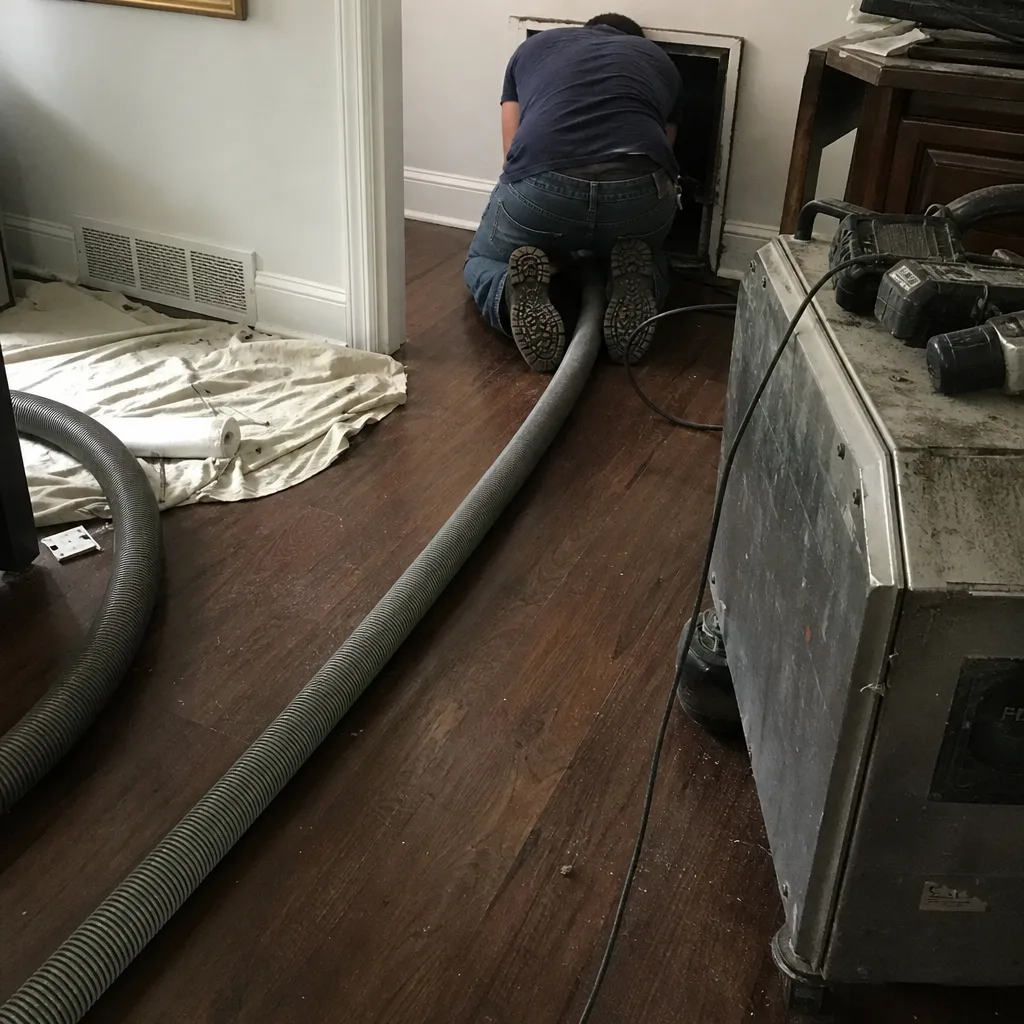 Before
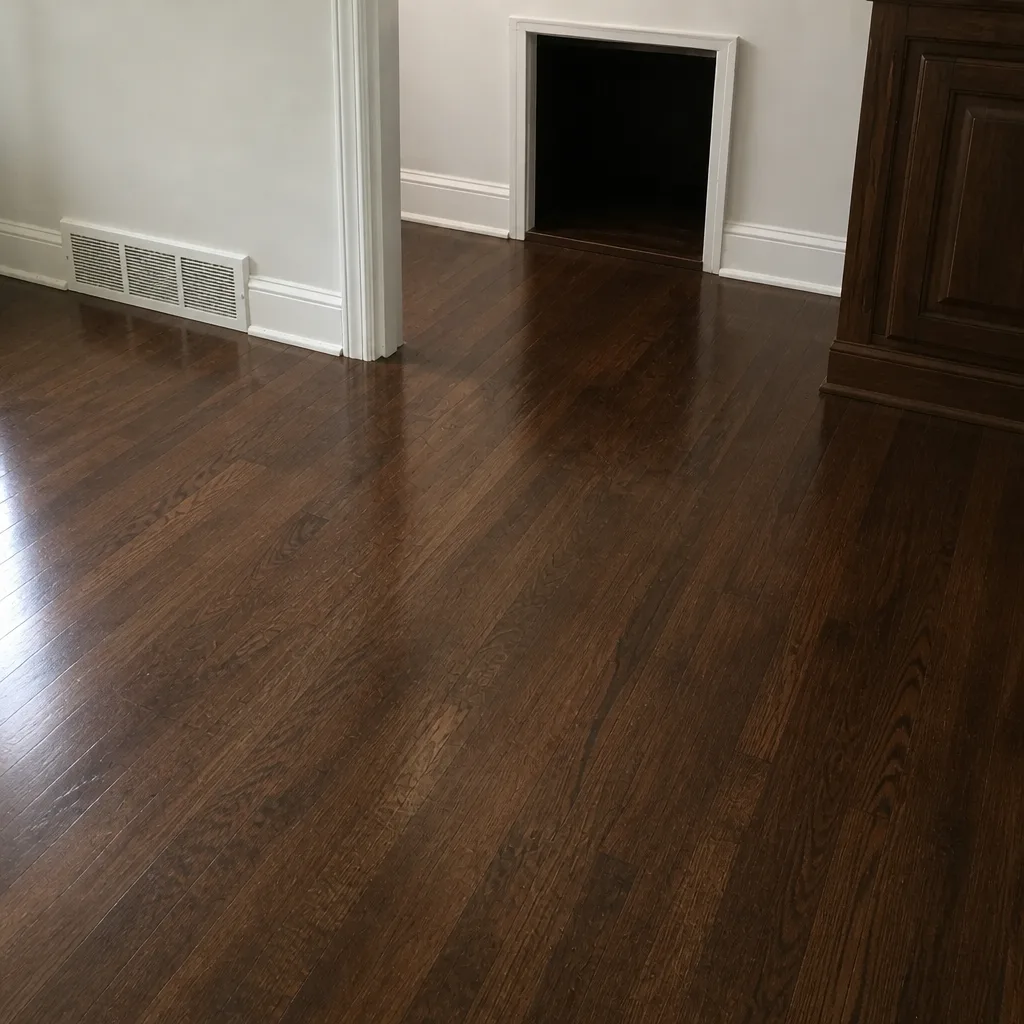 After
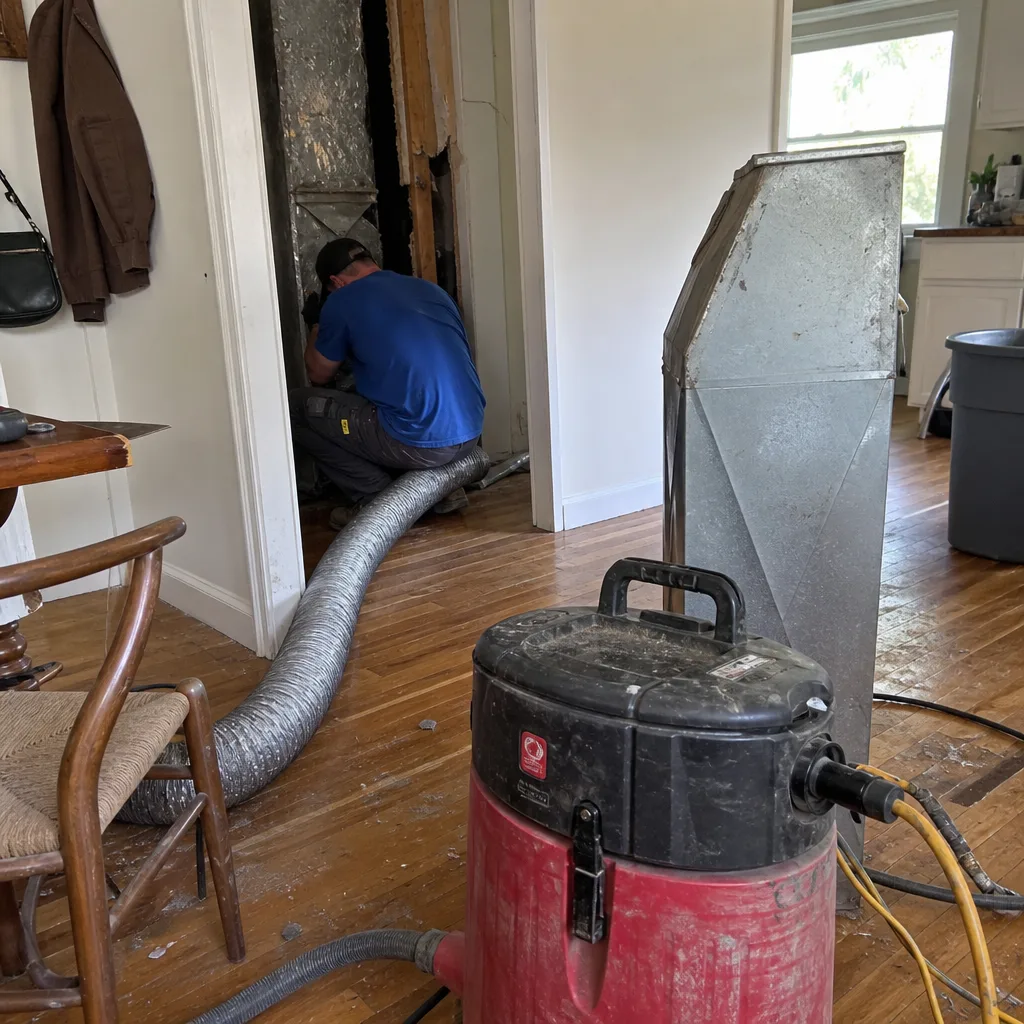 Before
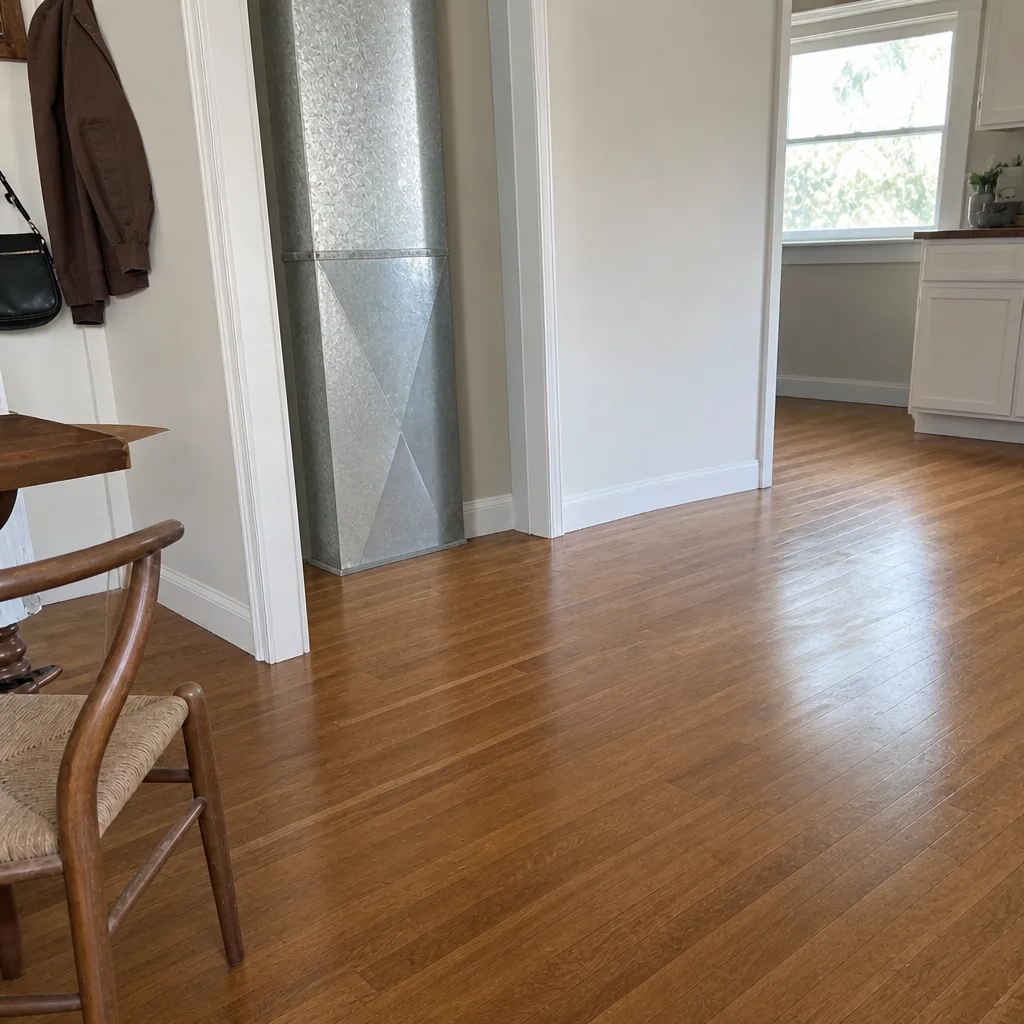 After
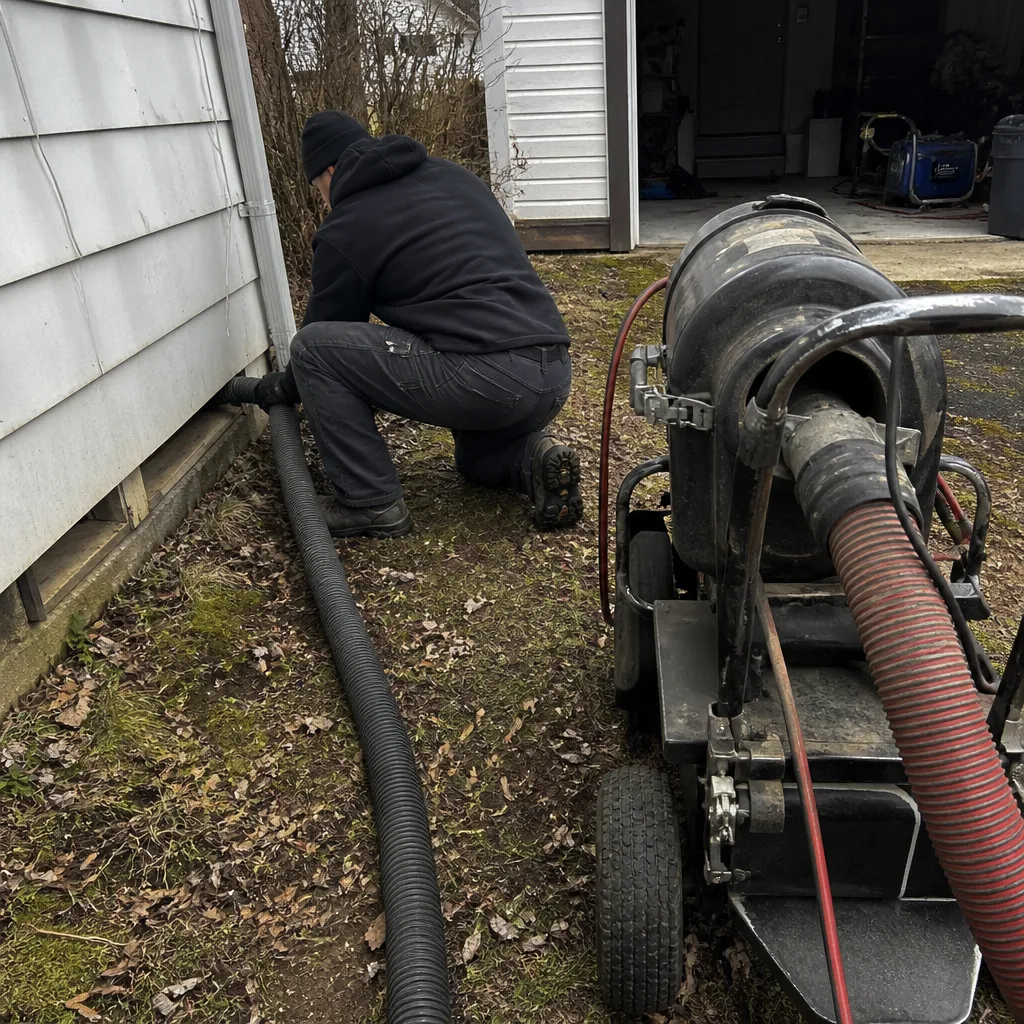 Before
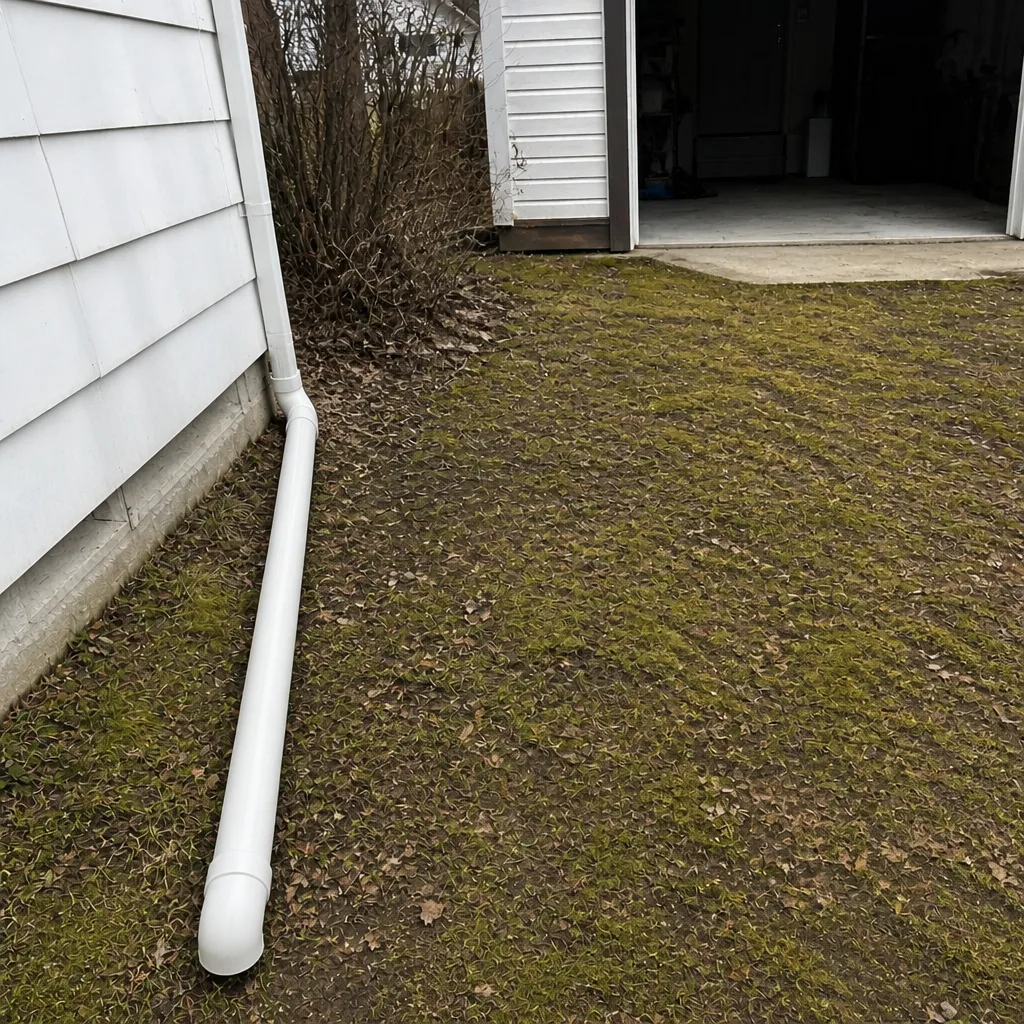 After
When to Call a Professional
Not every dusty home needs a full duct cleaning. If your HVAC is still moving air well, your filters are changed on schedule, and you don’t notice a pattern of symptoms, wait. When it’s time to call is when one or more of these show up: visible dust streaking from the registers, a musty smell that appears only when the system runs, a recent remodel that spread construction dust through the house, a new-to-you home with unknown service history, or an unexplained jump in energy use that filter changes haven’t touched. Those are signals worth an inspection. Air Duct Cleaning NoDa offers free estimates in NoDa – call (833) 509-5357. We answer 24/7. Fast dispatch from 7am to 7pm, Sunday through Friday. The estimate is free and the price for the work is set per job in writing before anything starts.
Frequently Asked Questions
Cost depends on the size and configuration of the system, the number of trunks and returns, and whether the air handler is included. There’s no useful per-vent number because the work isn’t priced per vent – the whole system is the job. The reliable path is a written estimate that names the scope. Call (833) 509-5357 for a free estimate; the price is set per job by the written quote, not by a coupon.
Professional-grade equipment: a rotary brush system like Rotobrush to mechanically scrub the duct walls, an industrial vacuum unit like a Nikro HVAC cleaning unit for negative-pressure extraction, and containment filtration like Abatement Technologies to control airborne particulate during the job. If a contractor is using a portable box vacuum with a shop-vac lineage, the job won’t reach the trunk lines and returns. Ask for equipment model names before you book.
Yes. Duct cleaning isn’t separately licensed in North Carolina, but the HVAC-adjacent work – air handler access, plenum resealing, flex reconnection – usually requires an HVAC or mechanical license through the state. Ask for the license classification and the qualifier’s name, and ask for a certificate of liability insurance. A legitimate contractor provides both without hesitation. Any independent local professional we connect you with is licensed and insured as the state requires.
A cheap quote is usually a smaller scope: registers only, no returns, no air handler, and no containment. That’s a wipe-down, not a duct cleaning. Compare quotes by scope, not by price. If one quote is a third of another and it doesn’t list supply trunks, return plenums, and air handler access, you’re not comparing the same job. Call (833) 509-5357 if you want a scope-first quote – the estimate is free.
Ask for before-and-after photographs of your own duct interior, labeled by location. A professional contractor with a camera-equipped setup can document the inside of your supply and return runs. If a contractor won’t provide photos of your system, they’re asking you to trust an outcome you can’t see. Insist on it.
Most homes don’t have a fixed schedule. In our experience, three to five years is a reasonable starting window for a typical home, but it shifts with remodeling, pets, smokers, filter habits, and any past water intrusion. If your system has never been cleaned and the home has changed hands, start with an inspection. Call (833) 509-5357 to talk through what your home actually needs.
The Bottom Line
Hiring an air duct cleaning contractor in NoDa comes down to three verifiable things: what equipment they bring, what credentials they carry, and what their written scope actually covers. Get those in writing before you book, ask for before-and-after photos of your own system, and don’t let price be the deciding factor. The right pro will talk about CFM, brush control, containment, and air handler access; the wrong one will talk about discounts. Our technicians have up to 8 years of experience working inside systems like yours. We connect NoDa homeowners with independent local professionals who carry professional-grade equipment and document what they do. For a free estimate, call (833) 509-5357. We answer 24/7. Fast dispatch from 7am to 7pm, Sunday through Friday.
Air Duct Cleaning NoDa handles air duct cleaning inquiries for NoDa homes and property managers, and connects homeowners to local professionals for the full lifecycle of the system: cleaning, sanitizing, dryer vent service, and duct repair and sealing. See the full range of service on the site, or call with the specifics of your home and get pointed in the right direction.
Written by the team at Air Duct Cleaning NoDa.