
Last updated November 23, 2026
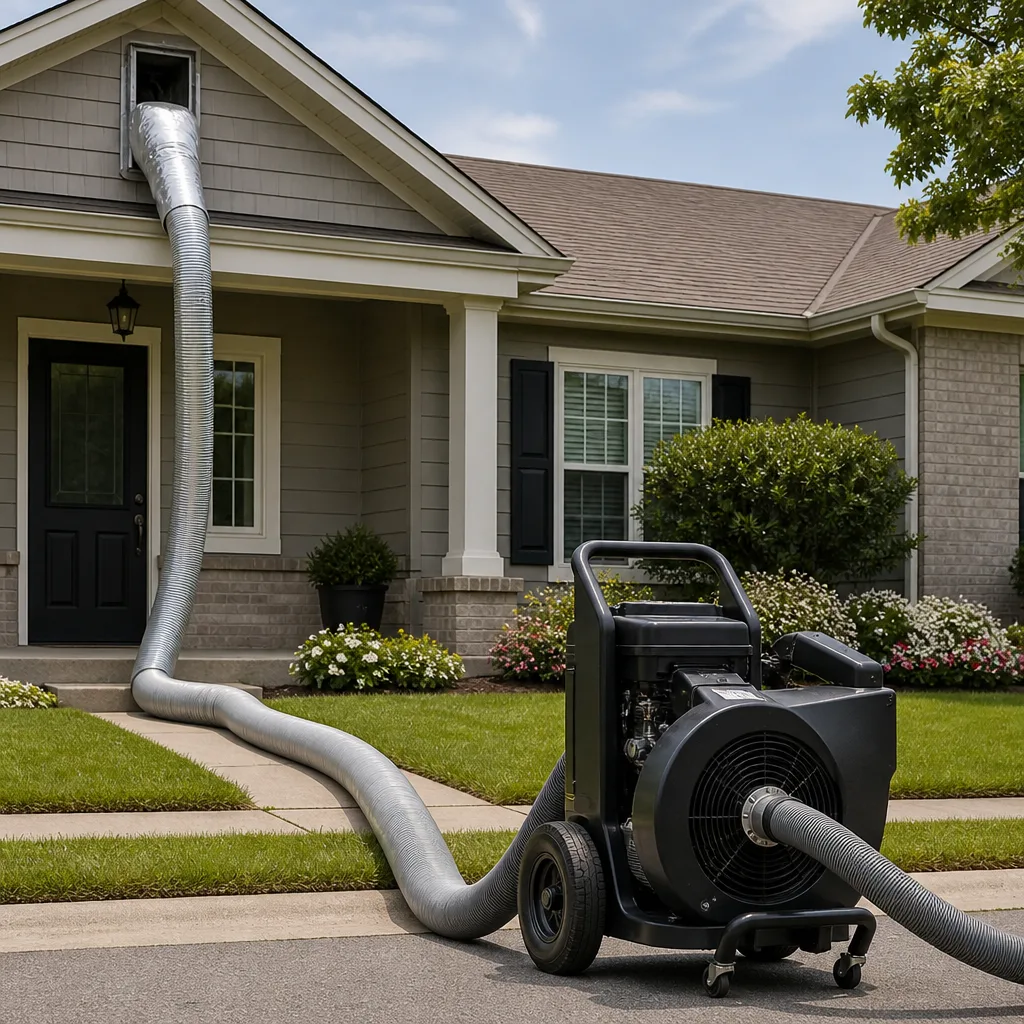 Whole-home duct cleaning
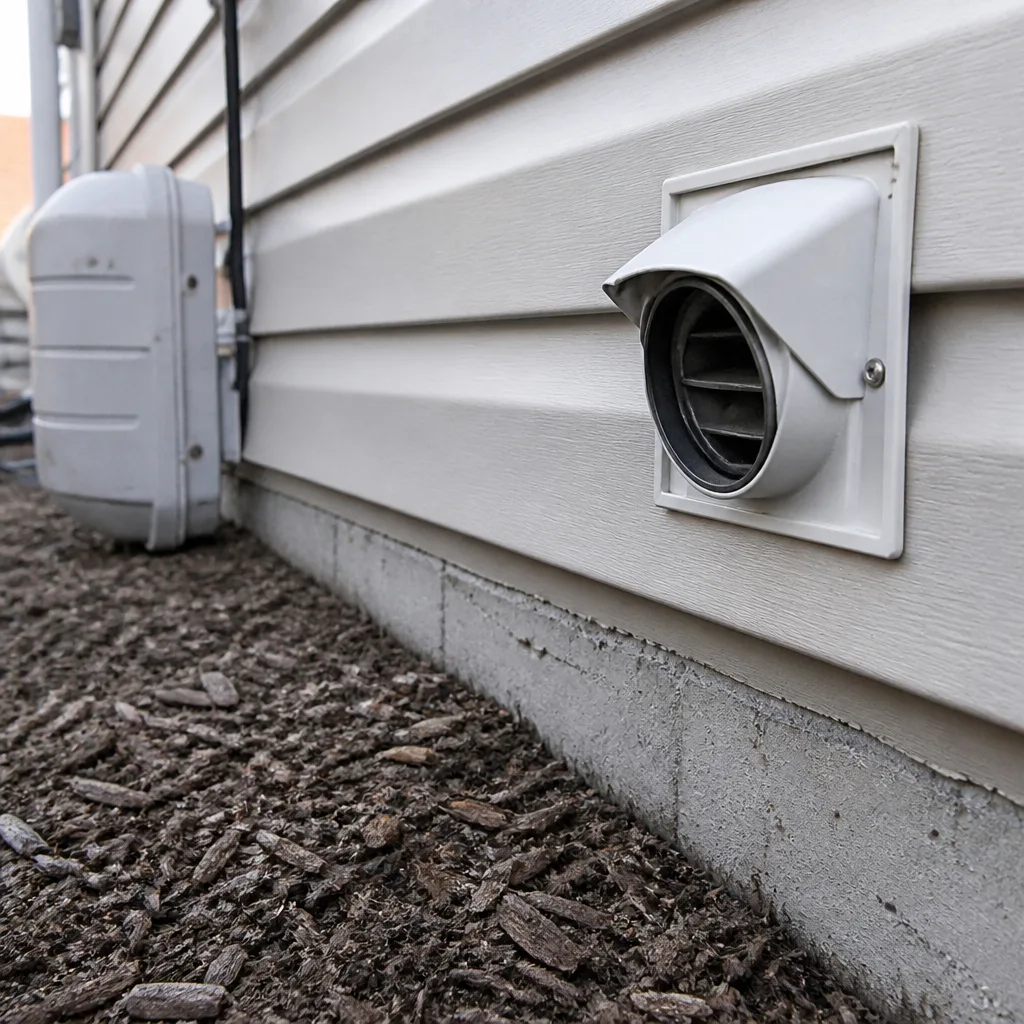 Dryer vent cleaning
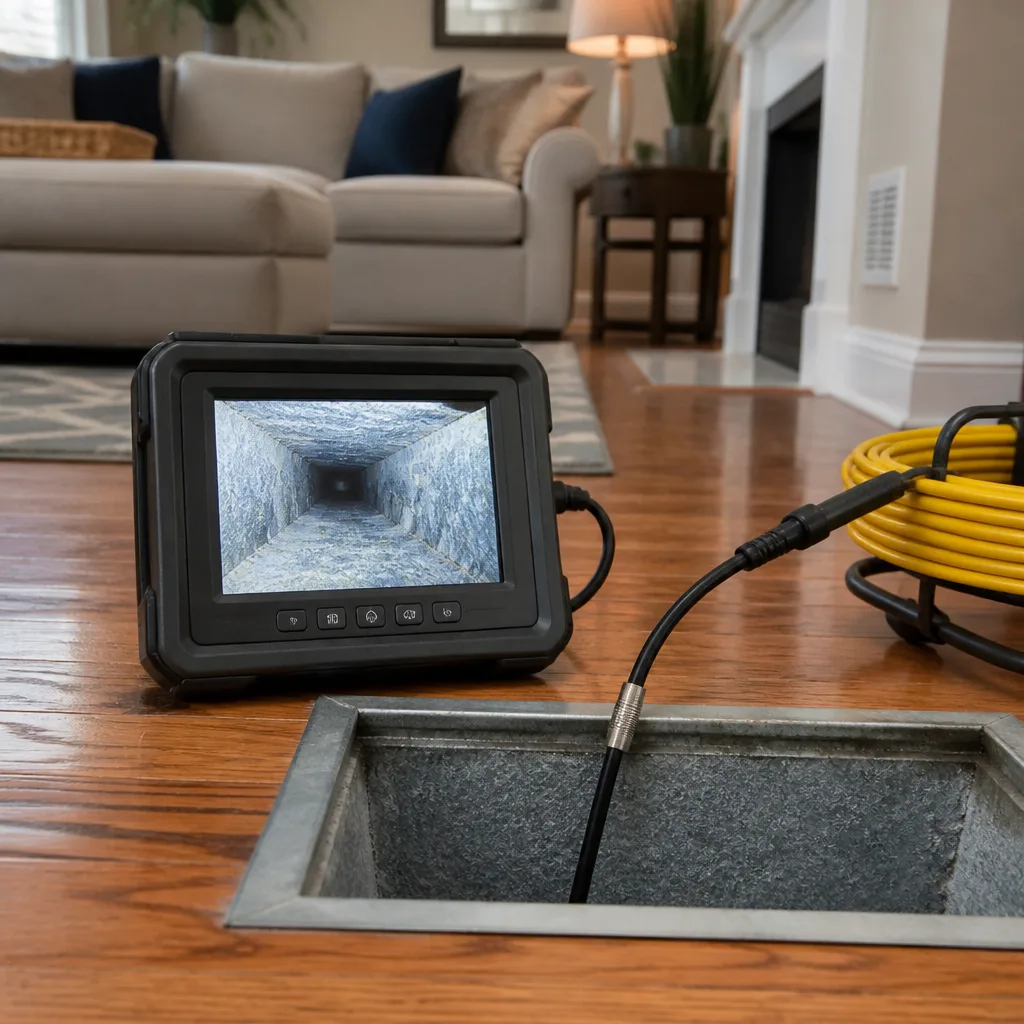 Camera inspection
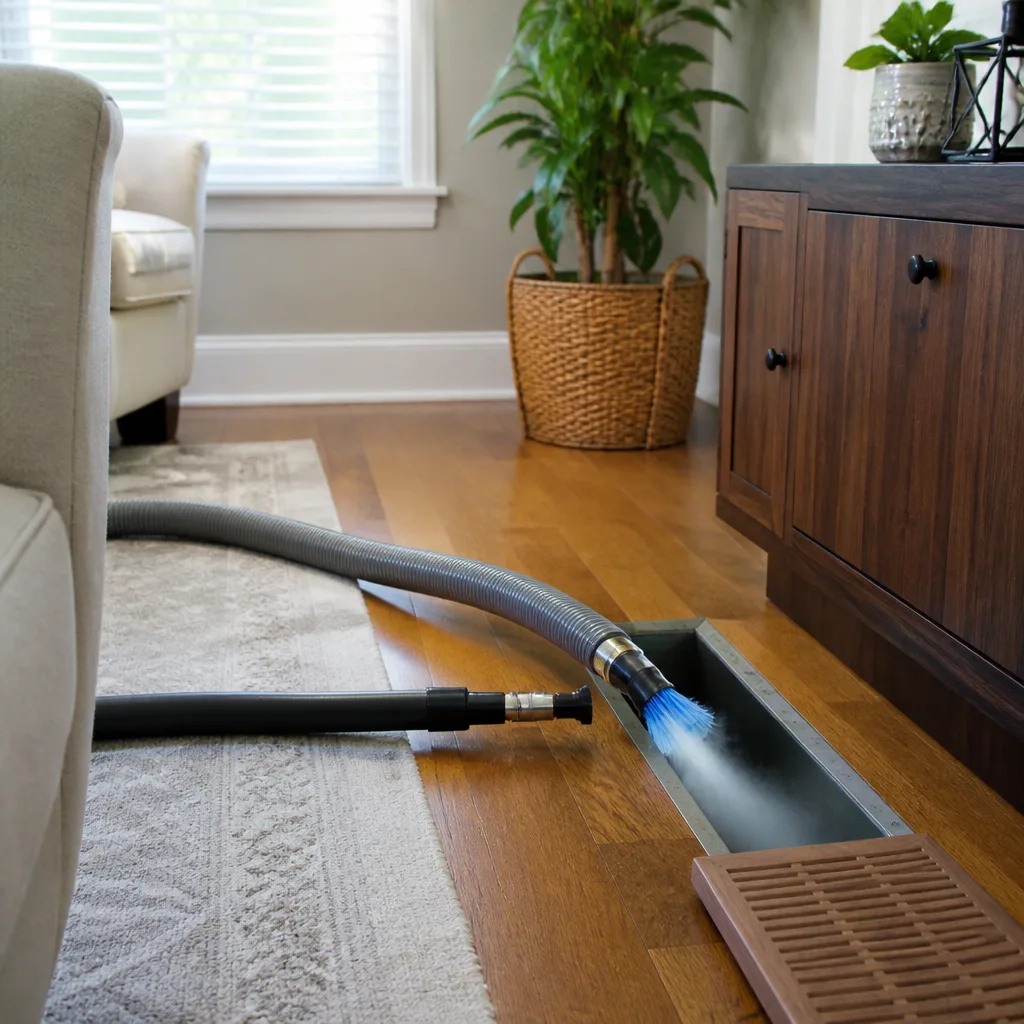 Sanitizing & deodorizing
Whole-system duct and dryer vent check with before-and-after photos - you see exactly what came out of your vents
That "$99 whole-house special" is a bait ad - the real number appears once they are in your hallway, or the "clean" is a shop-vac at the register. We photograph the inside of your ducts before and after instead.
Air Duct Cleaning Maintenance Checklist for NoDa Homeowners
Most homeowners replace filters on a calendar schedule while ignoring the three measurements that actually tell you whether ductwork is degrading: static pressure, visible return-grille dust loading, and post-filter particle count. A filter change tells you almost nothing about the state of your system. The return grille tells you more. The static pressure reading tells you the truth. In NoDa, where humidity swings hard between seasons and older mill houses sit alongside newer builds, that distinction matters more than the filter aisle at the hardware store. This guide walks through a checklist built on observation and timing, so you know what to check monthly, what to hand to a technician, and what to document before and after a professional cleaning.
Quick Answer
A practical air duct maintenance checklist for NoDa homeowners covers three tiers: monthly observation (return-grille dust, filter loading, airflow strength), quarterly tasks (filter changes, dryer vent inspection, humidity tracking), and annual professional service starting with a full duct and HVAC cleaning. Skip the calendar-only approach. Instead, log the conditions that actually shift your system’s state. Post-pollen spring, the late-summer humidity peak, and any renovation dust are the three moments in NoDa when ductwork collects the most debris, and those are when a checklist should trigger a deeper look.
Styles & brands we work with
- Whole-home duct cleaning
- Dryer vent cleaning
- Camera inspection
- Sanitizing & deodorizing
Table of Contents
- Why a duct checklist beats a filter-change reminder
- Monthly tasks: what you can actually observe
- Quarterly tasks: filters, dryer vent, and humidity
- Annual tasks: the professional deep-cleaning cycle
- The three measurements that predict duct trouble
- NoDa seasonal triggers: pollen, humidity, and renovation
- What to document before and after a cleaning
- When a checklist item becomes a repair call
Why a Duct Checklist Beats a Filter-Change Reminder
A filter-change reminder tells you what to buy. A maintenance checklist tells you what’s happening. Those are different jobs. Filters are the cheapest, easiest lever in your HVAC system, so they get all the attention. But the dust that clogs return grilles, the moisture that settles into ducts after a humid stretch, and the fine matter a renovation kicks into the air supply don’t show up on the filter box. They show up in the system’s behavior, and in NoDa that behavior follows a fairly predictable seasonal arc.
NoDa sits in a part of Charlotte where older craftsman-style homes, mill-era bungalows, and reworked commercial spaces share blocks with newer construction. That mix means duct systems vary widely in age, layout, and material. A single schedule can’t fit all of them. An observation-based checklist can. The point is to build a record across the year, so when something does go wrong you’re looking at a history, not a guess.
Three conditions matter most:
- Dust loading at the return grille. If it builds back within weeks of cleaning, the supply side is likely feeding it.
- Filter loading rate. How fast a fresh filter darkens is a rough proxy for how much particulate the ductwork is moving.
- Airflow strength at supplies. Weak or uneven flow often signals a restriction, not a weak blower.
Track those three and you’ll know when to schedule air duct cleaning, when to leave things alone, and when a checklist item has crossed into repair territory. That’s the whole idea. Not more chores. Better timing.
Monthly Tasks: What You Can Actually Observe
Monthly checks are about collecting evidence, not fixing things. Five minutes once a month, done the same way each time, gives you a comparison baseline. Leave a small notebook near the thermostat or keep a note on your phone. What you’re tracking is change.
- Wipe the same return grille with a white cloth. Same grille, same motion, same cloth. Photograph it. A cloth that stays light tells you the return is stable. One that darkens quickly in the same spot every month is your first clue.
- Note the filter’s color and load pattern. A filter that’s uniformly gray is doing its job. One that’s dark on one side and clean on the other means uneven draw, which can signal a leak in the return duct.
- Hold a tissue to each supply vent. Airflow should pull it steady and strong. Weak flow at one vent and strong at another is a balance problem, not a filter problem.
- Smell each room for mustiness. A faint old-house smell in a closet is one thing. A musty edge that shows up only when the system runs is different, and it belongs in your log.
- Check the condensate drain area for wetness. This is an observation, not a repair. If you see standing water, stop and call a technician.
In NoDa, the monthly check earns its keep around two moments: when the system first kicks on strong after a mild stretch, and when you notice a change in how a room feels. Older homes here often have duct runs added during renovations, and those ad-hoc branches collect dust differently than the original trunk lines. Observing month over month is how you spot it without crawling into the attic.
Quarterly Tasks: Filters, Dryer Vent, and Humidity
Quarterly tasks are the ones that need a real action, not just a note. This is where the checklist starts saving you money instead of just recording facts.
Filter changes
Most filters last about three months, but that’s guidance, not law. In NoDa, filter life shortens during the spring pollen pulse and during any renovation on your block. Check the filter at the end of each quarter and change it if it’s visibly loaded. Don’t overspend on high-MERV filters for a residential system without confirming your blower can handle the pressure drop. A filter that’s too restrictive does more harm than one that’s slightly under-rated. Ask your technician what your system was designed for.
Dryer vent inspection
This is the quarterly item most homeowners skip, and it’s the one with the highest stakes. Lint accumulation in a dryer vent is a documented fire risk, and a slow-drying load is the first sign. If a normal load now takes noticeably longer than it used to, or the outside vent flap isn’t opening fully during a cycle, that’s not a small thing. Schedule dryer vent cleaning and clear it. Nobody should treat this as an afterthought.
Humidity tracking
A cheap hygrometer in the main living area tells you when indoor humidity is climbing past 55 percent. In NoDa, that usually happens in late summer after a stretch of wet, heavy air. Sustained high humidity inside ductwork is where musty odors and microbial growth start. If you can’t get indoor humidity under control with normal AC operation, that’s a signal to look at the whole system, not just the thermostat.
Annual Tasks: The Professional Deep-Cleaning Cycle
Once a year, the checklist hands off to a professional. This is where equipment quality separates a real cleaning from a surface pass. A shop vacuum can’t reach the bends and branches of a residential duct system, and a one-hour “vacuum-and-go” job usually just knocks loose dust into the air supply and leaves it there. A proper cleaning uses contractor-grade tools throughout, and the process looks nothing like a quick visit.
Here’s what a full-scope annual cleaning involves:
- Inspection with a camera. A technician documents the duct interior before touching anything, so the before-and-after comparison is real.
- Containment setup. Air filtration and containment equipment controls particulates during the job, so dust doesn’t migrate into living areas.
- Rotary brush cleaning of each run. Rotobrush-style rotary brush systems agitate and pull debris from the duct walls. This is the step that shop-vac service skips, and it’s the step that matters.
- Negative-pressure extraction. Nikro and similar commercial HVAC cleaning units pull debris out and hold it, rather than blowing it into the room.
- Sanitizing when appropriate. Air quality and sanitizing treatment follows cleaning, not replaces it.
- Post-service documentation. Photos of each run, before and after, plus a summary of what was found.
Pair the duct cleaning with HVAC cleaning for the coil and cabinet, especially in a home with visible dust at return grilles. If the system has been running hard through a NoDa summer, the evaporator coil is usually the place where debris and moisture meet. Cleaning both together catches what a duct-only visit misses. Air Duct Cleaning NoDa runs the full lifecycle – cleaning, sanitizing, dryer vent, HVAC, repair, and sealing – so the whole job happens in one pass. Our technicians have up to 8 years of experience, and the equipment on the job is contractor-grade, including Rotobrush, Nikro, Abatement Technologies, and Guardsman-standard surface protection.
The Three Measurements That Predict Duct Trouble
Homeowners get told to eyeball their ducts. Eyeballing is useful, but it’s not the whole picture. Three measurements are the real early-warning system. Two of them you can track yourself. The third needs a technician.
- Static pressure. This is the resistance inside the duct system. A technician reads it with a manometer at the supply and return. Rising static pressure over time means the system is working harder, which points to restriction, leakage, or debris accumulation. You can’t measure this yourself, but you can ask for the number during each annual service and log it. Rising pressure between cleanings is the clearest objective sign the system needs attention.
- Visible return-grille dust loading. This is the one you can measure at home. Photograph the return grille after each professional cleaning and compare the rate of buildup over the year. Fast buildup is a proxy for how much particulate is circulating.
- Post-filter particle count. A technician with a particle counter takes a reading downstream of the filter. A climbing count means particulate is getting past the filter into the supply side, which usually means a filter fit problem or a duct leak. If you notice fine dust settling on surfaces soon after dusting, this is the measurement to ask for.
Together, these three give you a state-of-the-system picture rather than a guess. In our experience, the return-grille pattern is the first to change and the easiest to observe; static pressure confirms it. If you’re deciding between air duct cleaning and repair, that combination is what a technician uses to make the call.
NoDa Seasonal Triggers: Pollen, Humidity, and Renovation
Schedules based on the calendar miss the moments when duct conditions actually change. In NoDa, three seasonal triggers do most of the work, and a checklist that tracks them will outperform one that just says “clean annually.”
Post-pollen season (spring)
Spring in the Charlotte area brings a heavy pollen load. Much of it settles on outdoor surfaces, but some of it makes its way indoors through return air, door gaps, and screens. Once the pollen pulse is done and the system is running cooling, that’s the moment to check the filter for a rapid load and inspect return grilles. A cleaning timed just after pollen season removes what’s settled before summer pushes the system into steady use.
Post-humidity peak (late summer)
By late August, the NoDa air has spent weeks at high humidity. If a musty smell turns up only when the system runs, humidity has likely reached the ductwork at some point. This is the second key trigger: an end-of-summer inspection that looks at coil condition, condensation drainage, and any duct sections that stay cool and damp. Sanitizing after that check addresses the source, not the symptom.
Post-renovation
NoDa has a steady rhythm of renovation, from kitchen rebuilds to conversions in older mill buildings. Drywall dust is fine, persistent, and designed by nature to travel. Any renovation that involves cutting into walls, ceilings, or flooring should be followed by a duct inspection and cleaning, even if the annual cycle isn’t due. Builder-grade containment helps during the work, but it doesn’t catch everything. A post-renovation cleaning gets the system back to a known state.
Line up those three triggers against your annual service, and you’ll catch the moments when ducts collect the most. That’s what a maintenance log is for.
What to Document Before and After a Cleaning
Documentation is the difference between a service record and a receipt. It also matters more than most homeowners expect at resale. A prospective buyer’s inspector will ask about HVAC maintenance, and a dated photo log answers that question far better than a verbal claim. Here’s what to keep.
- Before photos. Each supply and return run, photographed at the start of the service. Camera images are better than phone photos if the technician provides them.
- Static pressure readings. Record the pre-cleaning figure and the post-cleaning figure. A drop means the cleaning removed restriction.
- Filter loading photo and date. A simple photo of the filter, taken just before replacement.
- After photos. The same runs and angles as the before shots. Side-by-side comparison is what makes the record trustworthy.
- Service summary. What was cleaned, what was sanitized, any repair or sealing work performed, and any items flagged for follow-up.
- Equipment record. Note what equipment was used. Rotobrush, Nikro, and Abatement Technologies systems are a reasonable shorthand for professional scope; a shop vac is not.
Keep the log with your home’s other maintenance records (appliance manuals, service dates, warranty papers). At resale, that bundle supports the home’s condition, and NoDa buyers do look at it. It’s also useful when you’re comparing quotes: the history tells you what your system actually needs, not what a salesperson says it needs. Air Duct Cleaning NoDa provides before-and-after photos as part of every service, because the job should be verifiable.
When a Checklist Item Becomes a Repair Call
Maintenance ends and repair begins at a clear line. Some problems are routine; others deserve a technician’s attention. Here’s how to tell the difference, drawn from what we actually see inside ducts in NoDa homes.
- Persistent musty odor after sanitizing. If sanitizing was done and the smell returns within weeks, there’s a moisture source the treatment didn’t reach. That’s a repair call, usually to find the leak, the failing condensate line, or the duct run that stays damp.
- Dust returning within days of cleaning. Fast rebuild at return grilles usually means a duct leak or a poorly sealed junction is pulling in unfiltered air. Sealing usually solves it.
- Visible gaps, disconnected runs, or sagging flex duct. Duct repair and sealing is a scoped job. A checklist can flag it, but a technician has to fix it.
- Any sign of pest activity. Droppings, nesting material, or chew damage in a duct run is not a maintenance issue. It needs inspection and repair before the system runs again.
- A dryer that won’t dry. If lint clearing doesn’t fix it, the vent line or the dryer itself has a deeper problem. Don’t keep running it.
- Rising static pressure on two annual readings in a row. That pattern means the system is progressively restricted. Find out why.
Air Duct Cleaning NoDa covers duct repair and sealing alongside the full cleaning service, so the repair doesn’t require a second vendor. One company, complete scope, fewer handoffs.
Common Mistakes to Avoid
- Treating the filter as the whole checklist. A fresh filter every three months won’t tell you whether ductwork is degrading. Add return-grille observation and an annual static pressure reading to see what the filter can’t.
- Skipping the dryer vent quarterly check. Lint buildup in a dryer vent is a fire risk, and a longer dry time is the early warning. If a load that used to finish dry now needs a second cycle, clear the vent before the next laundry day.
- Choosing service on the price of the coupon alone. A cheap one-step vacuuming often blows dust into the room and leaves duct walls untouched. Ask what equipment is used. Rotobrush rotary brush cleaning and Nikro extraction are the standard; a shop vac isn’t.
- Cleaning once and assuming it’s done. Duct conditions change with seasons, renovations, and HVAC runtime. A cleaning is a point in time. The log is what tracks the trend.
- Ignoring mustiness after sanitizing. If a smell returns after treatment, sanitizing didn’t fix the source. That’s a signal to investigate moisture and leaks, not to treat again.
- Not keeping before-and-after records. Photos and readings are worth more than a receipt at resale, and they make future service decisions easier. Insist on them as part of the service.
- Putting off a post-renovation cleaning. Drywall dust from a kitchen or bath remodel travels throughout the system. Clean after the work finishes, before settling dust becomes a long-term tenant.
See the difference
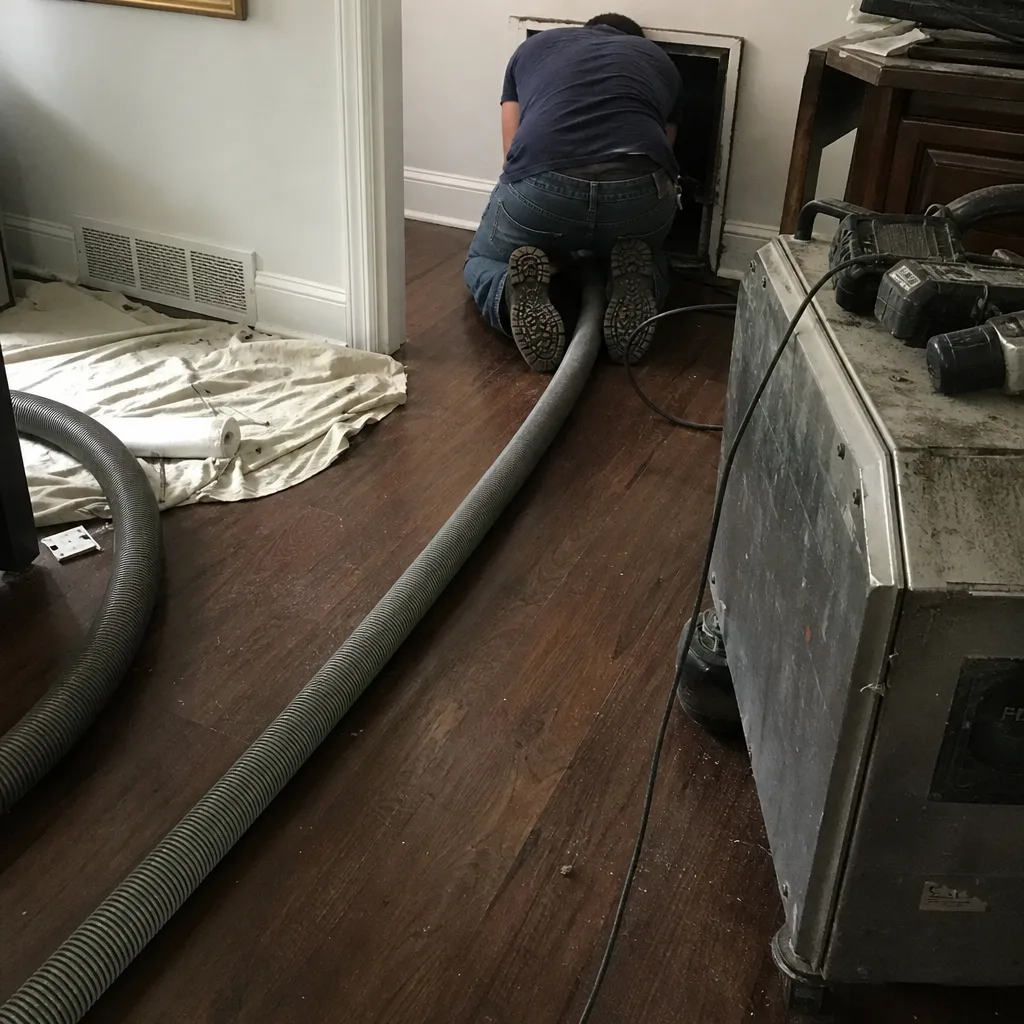 Before
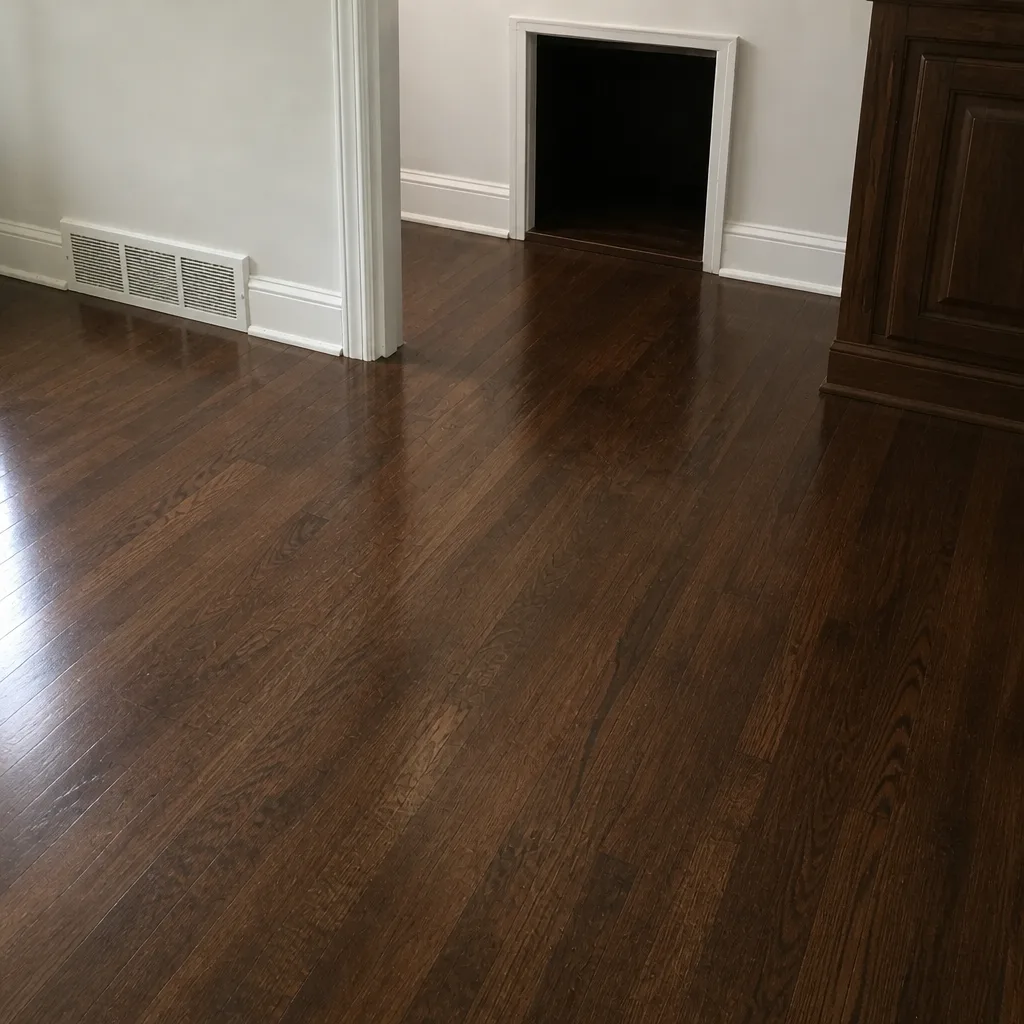 After
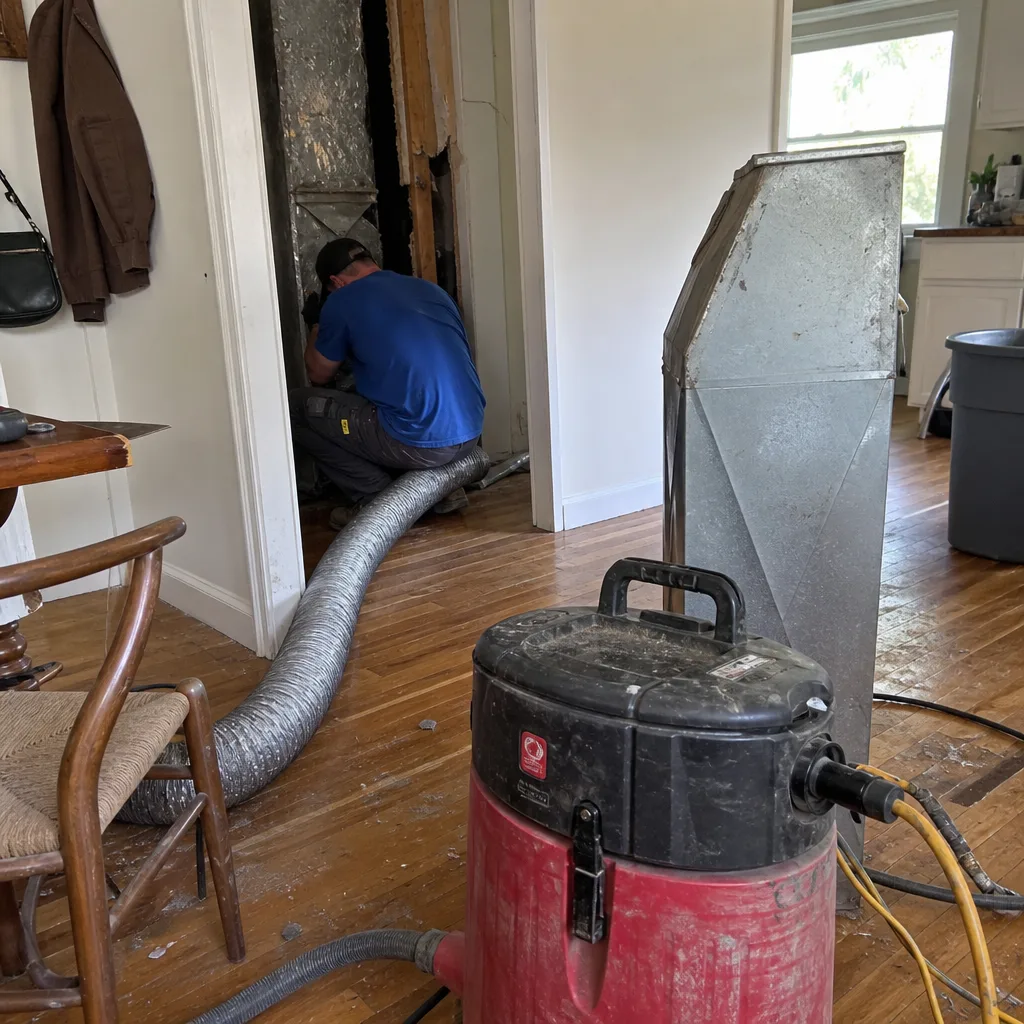 Before
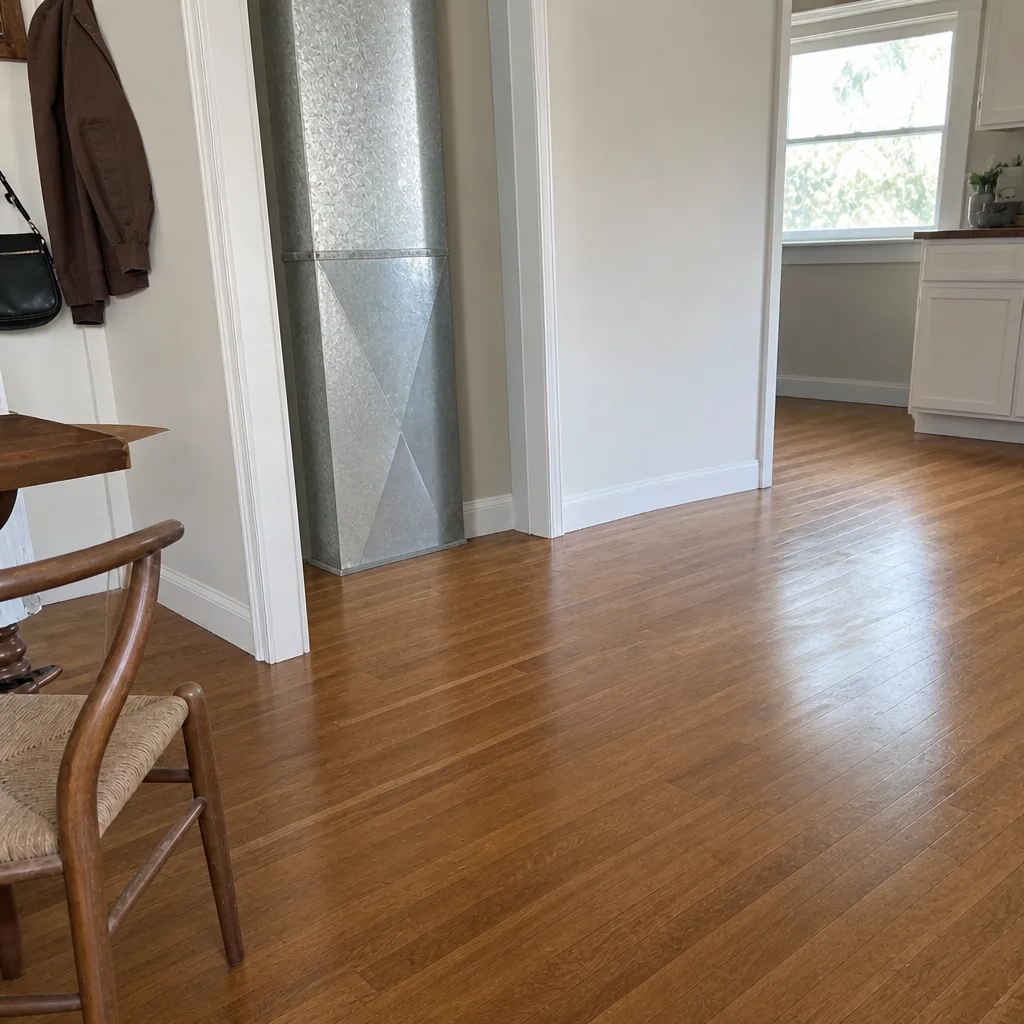 After
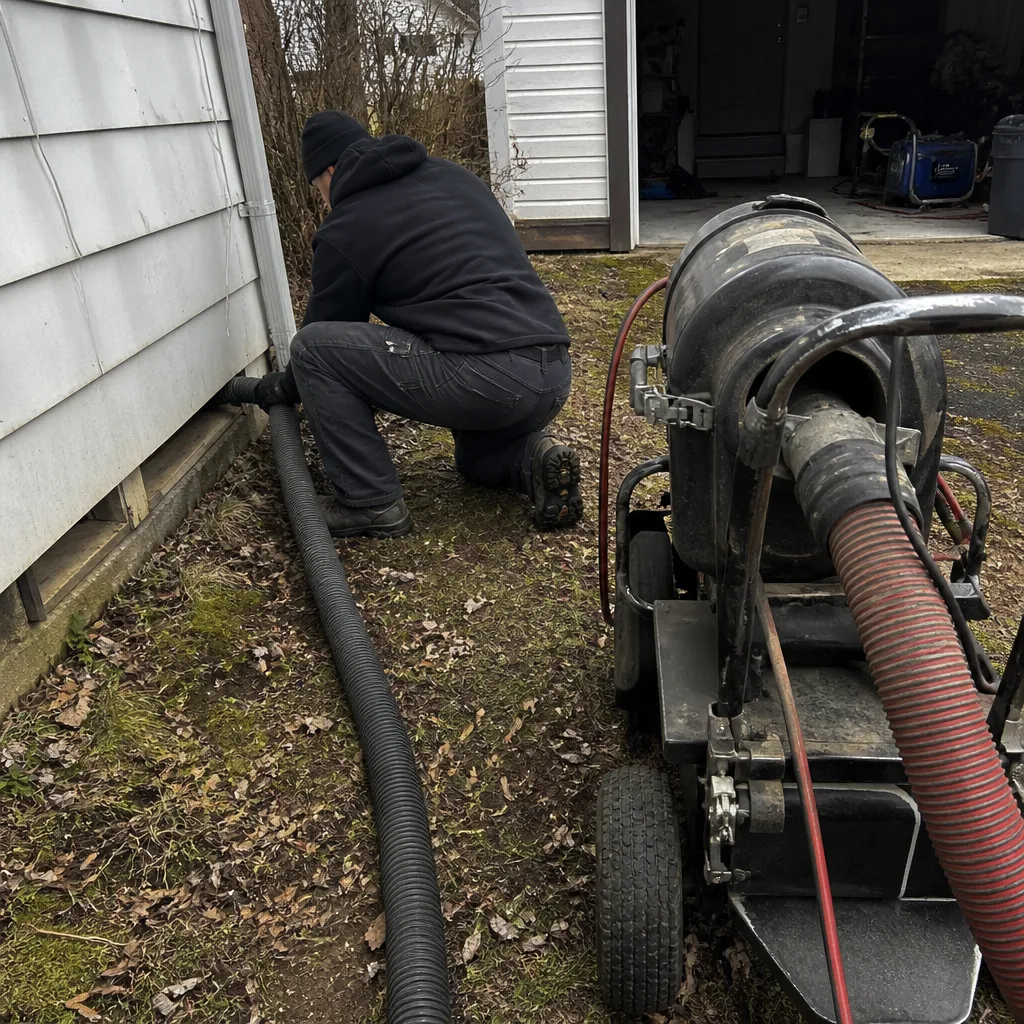 Before
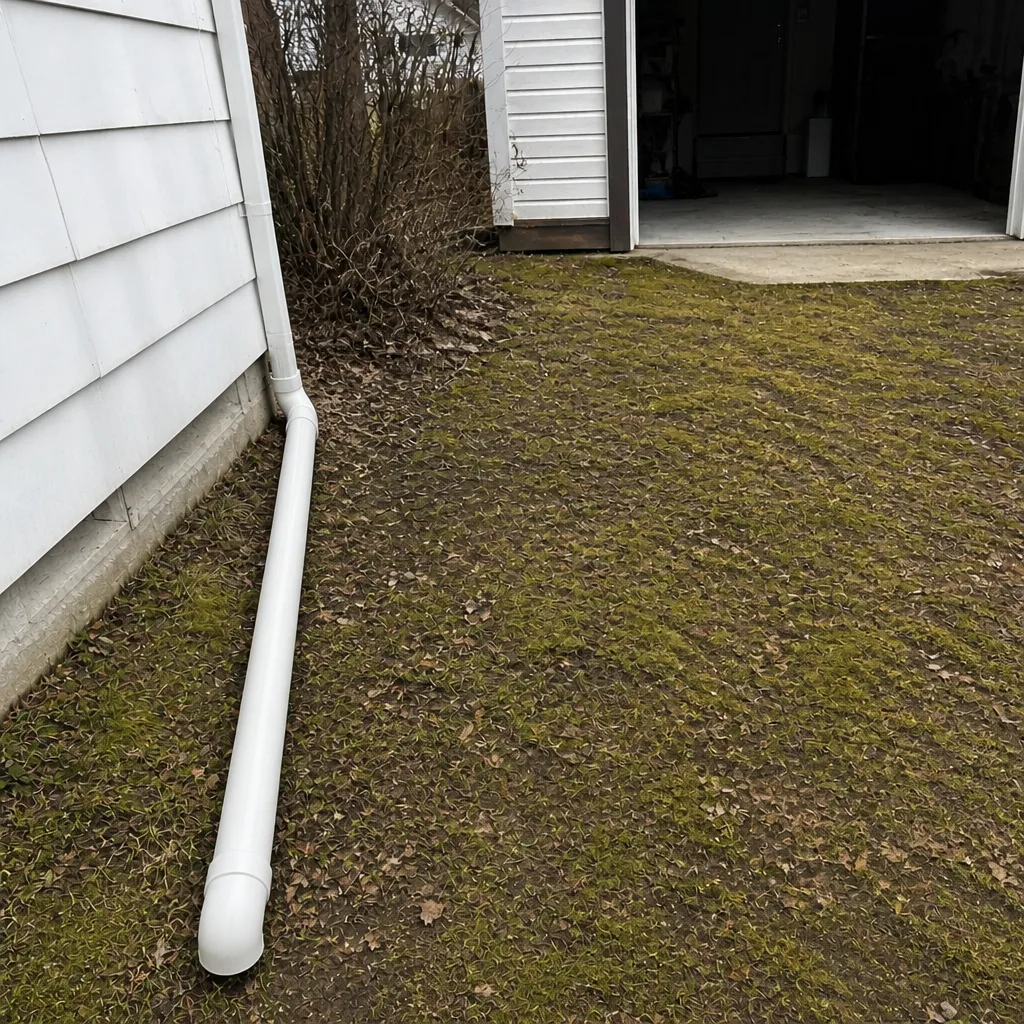 After
When to Call a Professional
Call a professional when the checklist turns up a condition you can’t fix by observation, filter change, or a dryer vent clearing. Specific scenarios: persistent musty odor after sanitizing; visible dust returning to return grilles within days of cleaning; a dryer that no longer dries a normal load; any sign of pest activity inside a duct run; rising static pressure on two consecutive annual readings; or a growing particle count downstream of the filter. Also call after any renovation that opened walls, ceilings, or flooring. Our technicians have up to 8 years of experience and use professional-grade equipment from Rotobrush, Nikro, and Abatement Technologies on every job. If you’re unsure whether it’s a maintenance item or repair territory, ask. Air Duct Cleaning NoDa offers free estimates in NoDa. Call (833) 509-5357. We answer 24/7. Fast dispatch from 7am to 7pm, Sunday through Friday.
Frequently Asked Questions
For most NoDa homes, an annual cleaning is the right baseline, with additional cleanings triggered by post-pollen season, the late-summer humidity peak, a renovation, or a visible change in return-grille buildup. Homes with pets or heavy landscaping dust may need a shorter interval. The trigger-based approach works better than a fixed month on the calendar. Call (833) 509-5357 to schedule an estimate.
Ask for before-and-after photos of each duct run, static pressure readings, and a written service summary. A thorough cleaning produces verifiable evidence, and any operator who can’t provide it is worth questioning. Rotobrush rotary brush cleaning and Nikro extraction leave a clear visual and measurable result. Air Duct Cleaning NoDa provides the photos as part of the service. Call (833) 509-5357 for a free estimate.
Cleaning removes debris from the duct walls and interior. Repair addresses structural problems: leaks, disconnected runs, sagging flex duct, or failed seals. Cleaning won’t fix a leak, and repair won’t remove debris. A complete service often includes both. If your checklist shows dust returning fast after cleaning, the issue is usually a leak requiring repair and sealing. Call (833) 509-5357 to talk through what your system needs.
Yes. Lint buildup in a dryer vent is a documented fire risk, and a longer dry time is the earliest warning sign. A quarterly check and an annual cleaning keep the vent clear. If a normal load currently takes a second cycle to dry, schedule dryer vent cleaning before the next laundry day. Call (833) 509-5357 for an estimate.
Cheap quotes usually reflect cheaper service: a shop vac instead of a rotary brush system, no containment, no photos, and no real attention to the duct walls. That service can leave dust suspended in the air supply rather than removing it. Ask what equipment the operator uses. Rotobrush and Nikro are the professional standard. Call (833) 509-5357 for an honest, whole-system estimate.
No. A shop vacuum can’t reach the bends and branches of a residential duct system, and it can’t generate the negative pressure needed to hold debris. It typically knocks loose dust into the supply side. A professional service with rotary brush equipment and commercial extraction removes what a vacuum can’t. Call (833) 509-5357 to schedule the annual service.
The Bottom Line
A maintenance checklist beats a filter-change reminder because it tracks the conditions that actually determine when a cleaning is needed. Monthly observation, quarterly action, and an annual professional cleaning form the cycle. The three measurements worth logging are return-grille dust loading, filter loading rate, and static pressure; the last one needs a technician, but the other two you can track. NoDa’s seasonal triggers are the spring pollen pulse, the late-summer humidity peak, and any renovation. Document before-and-after with photos, and treat the log as part of your home’s value. Air Duct Cleaning NoDa offers free estimates covering cleaning, sanitizing, dryer vent, HVAC, repair, and sealing. Call (833) 509-5357. We answer 24/7. Fast dispatch from 7am to 7pm, Sunday through Friday. Visit us at Air Duct Cleaning NoDa to learn more.
Written by the team at Air Duct Cleaning NoDa.